Kisama Heritage Village
"Sixteen tribes in one field — and somehow each one sounds completely different."
The morning of the Hornbill Festival’s opening day, I woke at five and could already hear it: distant drumming carrying through the cold mountain air from Kisama, six kilometres from Kohima. By the time I reached the heritage village, the sun had barely cleared the ridge but the morung — the traditional clan houses — were lit up and the first dancers were already warming up near the bamboo fencing. There is a particular quality to watching something ancient happen in daylight, in a physical body, when you have only ever read about it in books.
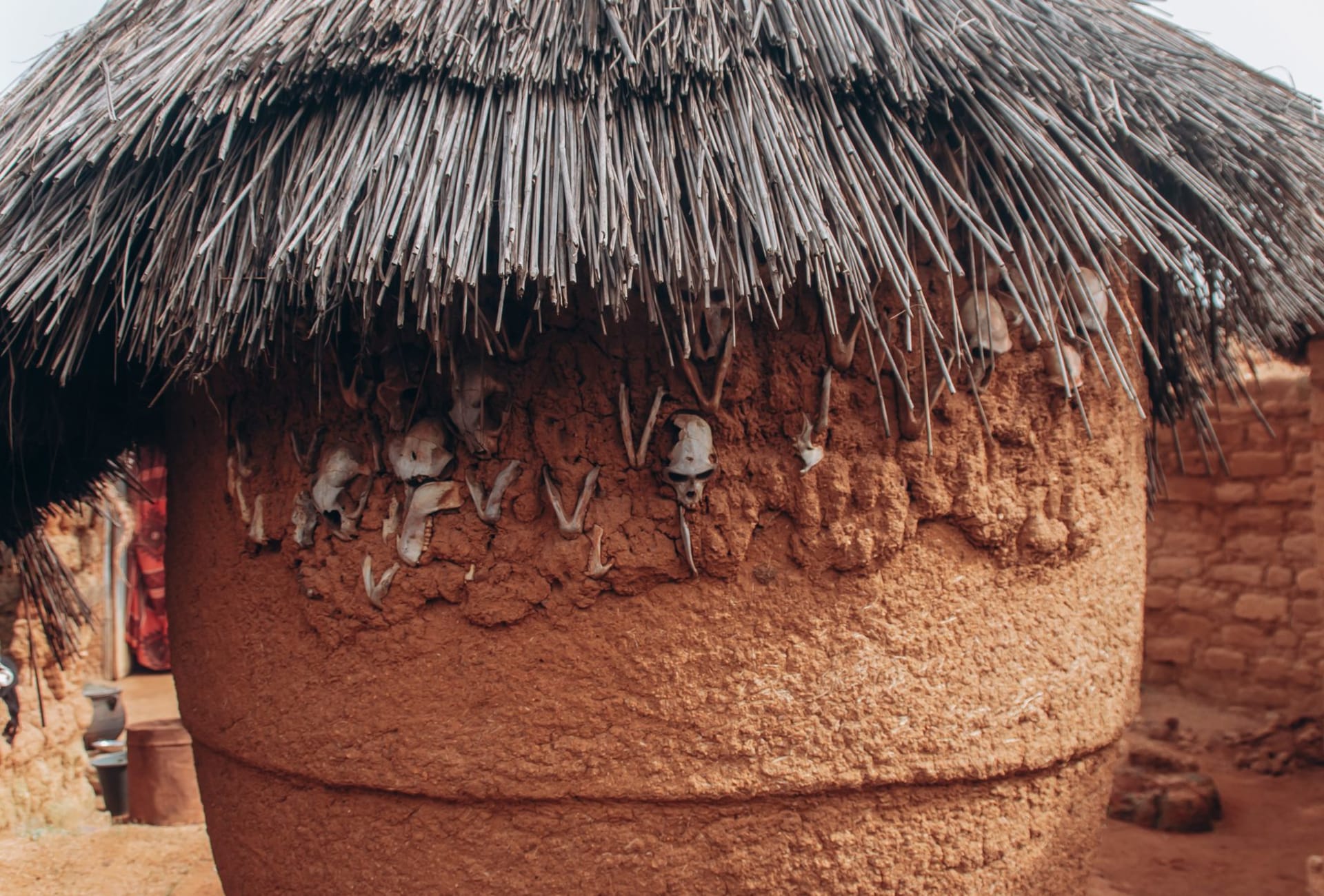
Kisama was built specifically to house the Hornbill Festival, inaugurated in 2000 by the Nagaland government as a way of showcasing tribal culture. The cynic in me expected something managed and dim, a cultural trade show for outsiders. What I found instead was more complicated and more alive. The sixteen morung, each representing a different Naga tribe, are built in authentic traditional style — the Konyak morung bristles with carved wooden sculptures and old skulls above the doorway; the Angami one is decorated with hornbill feathers and red-and-black geometric weaving. Walking between them felt like crossing time zones.

The dances are the core of it. Each tribe performs separately, and they are genuinely unlike each other — the Ao dance involves rows of men in black and red shawls moving in tight choreography; the Zeliang dance is wilder, the women’s headdresses enormous with brass ornaments that catch the light. I watched a Pochuri performance where the men carried dao blades and stomped the earth in unison, the sound of it going up through my feet. You stop intellectualizing it fairly quickly. The rhythm takes over.
The food lanes run parallel to the performance grounds and they are where Kisama becomes genuinely useful as a tasting menu of Naga cuisine. Smoked pork with bamboo shoot at one stall, fried silk worms at another, rice beer served in bamboo cups that the vendor fills from a clay pot. I tried dog meat — the first and possibly last time — prepared by the Chang tribe in a broth seasoned with ginger and local pepper. It tasted like lamb in a parallel universe. The akhuni stalls, selling fermented soybean paste, produce a smell that clears a ten-metre radius and tastes considerably better than it announces itself.

What I was not prepared for was the evenings. The daytime is the public spectacle, but after five, when the guided tours have left and the light has gone golden on the hills, the festival loosens into something different — campfires near the morung, informal music, young Nagas from different tribes mixing and talking in Nagamese, which functions as the shared language across tribal lines. One evening I sat with a group of Sumi musicians who were practicing for the next morning and they played their log drum for an hour while the stars came out. That is the version of Kisama I keep.
When to go: The Hornbill Festival runs the first ten days of December. Book accommodation in Kohima well in advance — rooms fill months ahead. Arriving for the first two or three days is better than the final ones when crowds peak and the energy can feel exhausted.