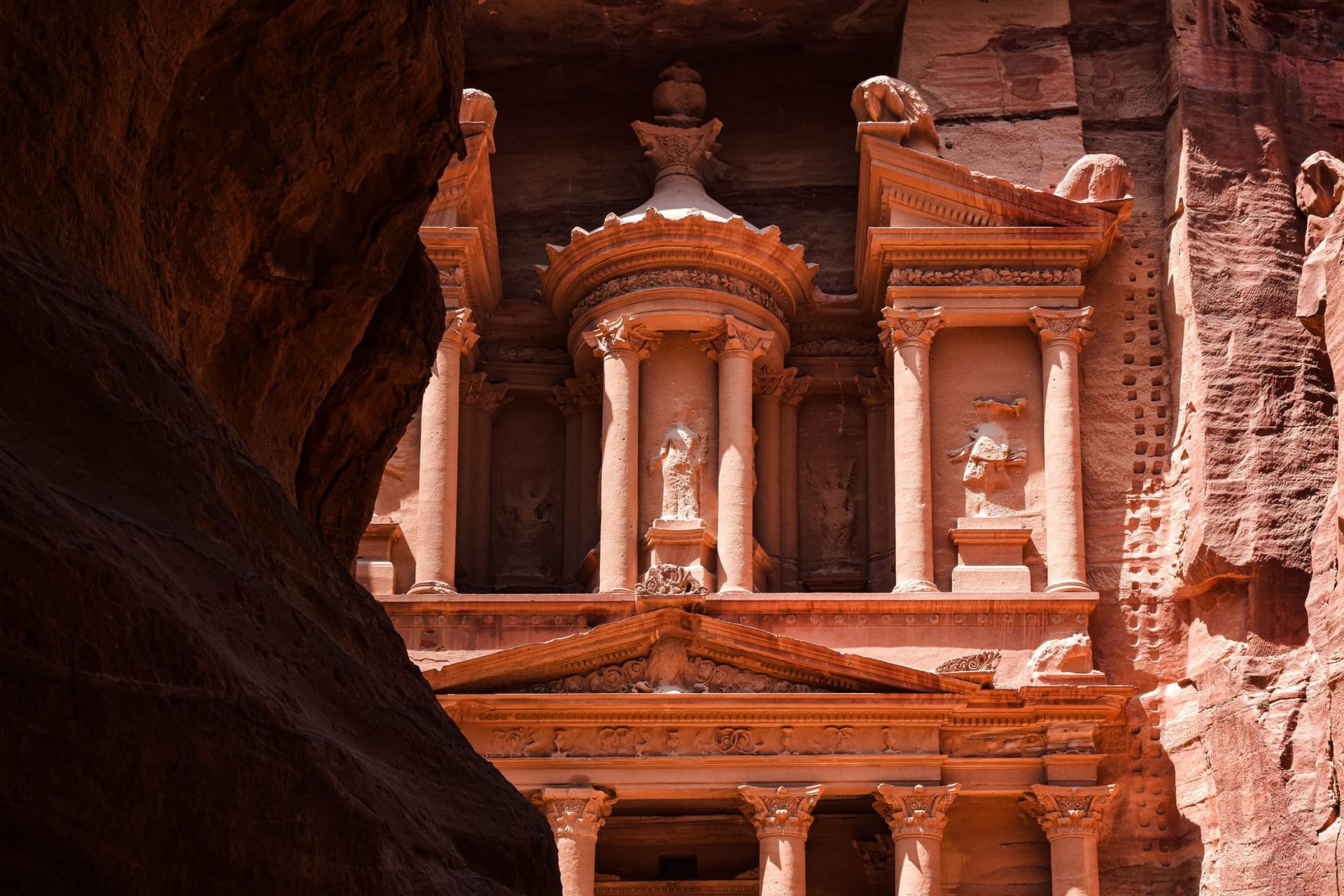
Little Petra — Siq al-Barid
"Petra is the statement. Little Petra is the conversation."
The taxi driver who drove me from Wadi Musa didn’t quite understand why I wanted to spend a morning at Little Petra when the main site was just behind me. “Same stones,” he said, making a dismissive gesture that somehow encompassed all of Nabataean civilization. He wasn’t entirely wrong, and he wasn’t right at all. Siq al-Barid — the Cold Canyon — sits eight kilometers north of Petra in a small valley of the Sharah mountains, and it is, if you want to reduce it, just a smaller version of the same thing. But that smallness is precisely the point. Walking into Little Petra is like reading the rough draft of a great novel: you can see the hand of the writer more clearly, the seams showing, the scale human rather than monumental.
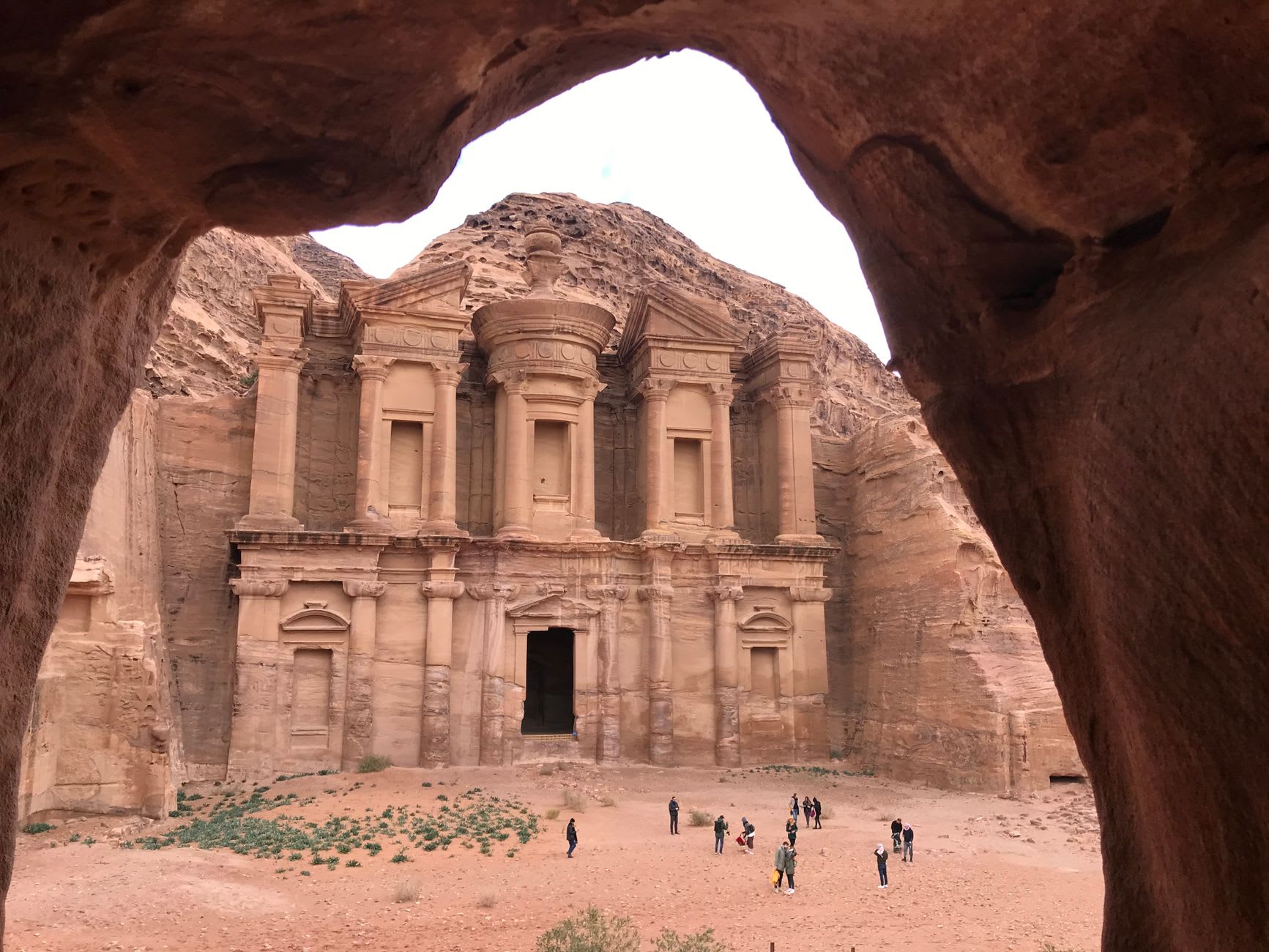
The siq itself is gentler than Petra’s — shorter, less dramatic, the walls not quite so vertiginous. But it opens into a series of small courtyards connected by carved passages, and in these courtyards you find dining rooms carved from the rock, their ceilings still painted with grape vines and birds and what the archaeologists believe are Eros figures, the pigment faded to a terracotta wash but still visible if you let your eyes adjust to the dimness. These are the Nabataean painted triclinium, dining rooms where merchants traveling the incense route stopped and ate and rested their camels. You can sit in the carved bench along the wall, look up at the ancient frescoes, and feel the specific pleasure of being in a room that nobody else is using. When I visited, I had the painted chamber to myself for twenty minutes.
That is the thing about Little Petra: it is free to enter and almost never crowded. The tour groups go to Petra and leave. The backpackers who make it to Wadi Musa are mostly fixated on the Treasury. Little Petra goes unnoticed, which is why it has the quality all the best archaeological sites share — the sense that you might be the first person to look carefully at a particular stone. I found a carved water channel in the second courtyard that I followed with my finger all the way to a cistern cut into the rock, still dry from the last rain. The Nabataeans ran channels like this everywhere. Finding them feels like deciphering handwriting.
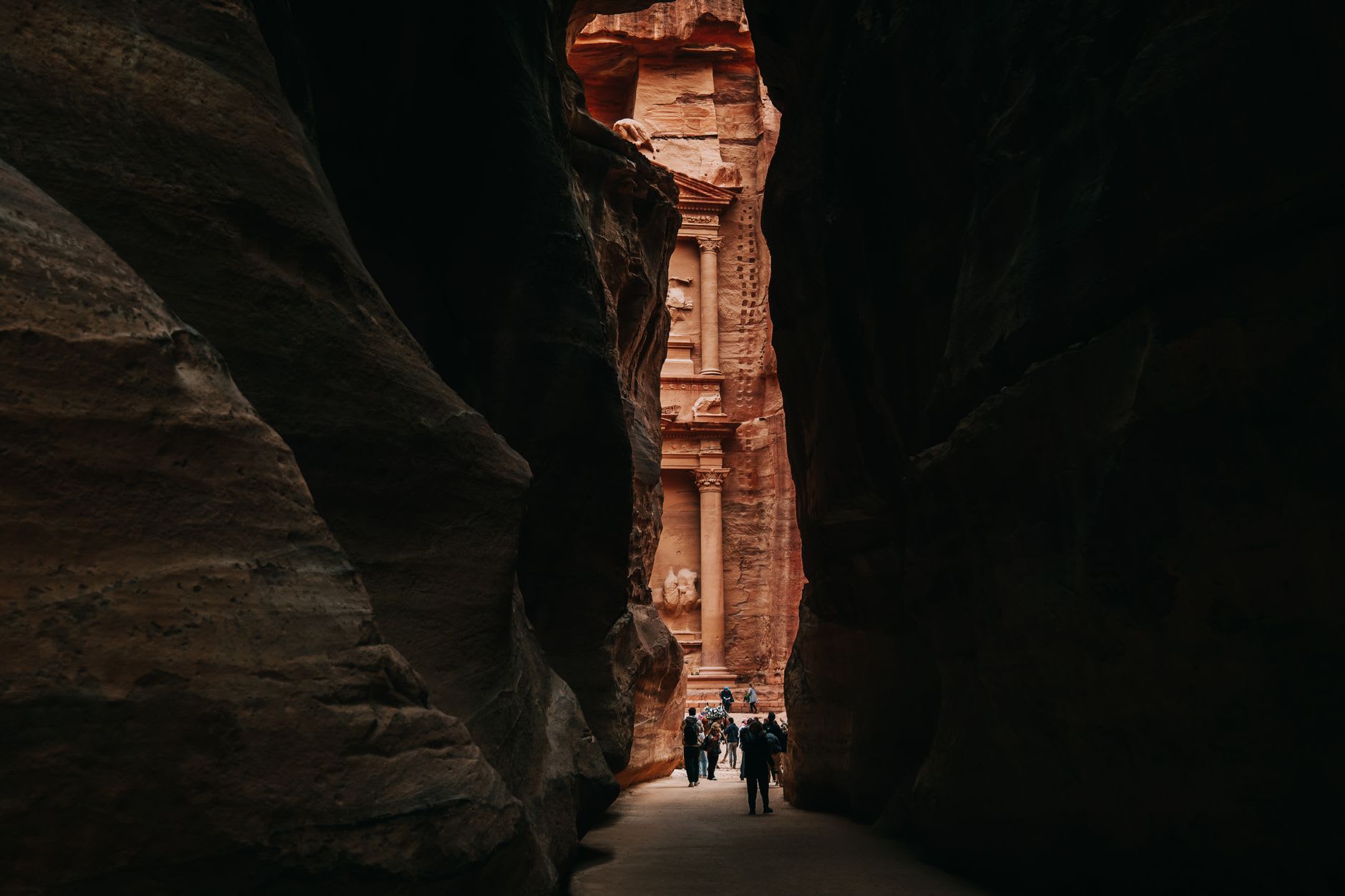
There is a hike from Little Petra through the desert hills to Petra’s back entrance, a route that takes three to four hours through wild country and arrives near the Monastery. A local Bedouin man whose family has been guiding people on this path for generations found me studying the trailhead map and offered to show me the first section for the price of a conversation, which turned out to be stories about his grandfather’s goats and the time a German archaeologist found Roman coins under a rock and wept. I paid him in tea money anyway. The stories were worth it.
When to go: Any season, though the spring flowers on the hillside above Siq al-Barid in March and April are worth the drive alone. There is no entrance fee and no formal opening time. Aim for morning when the light falls into the painted triclinium. It is also one of the few Nabataean sites that feels unhurried on a weekend.