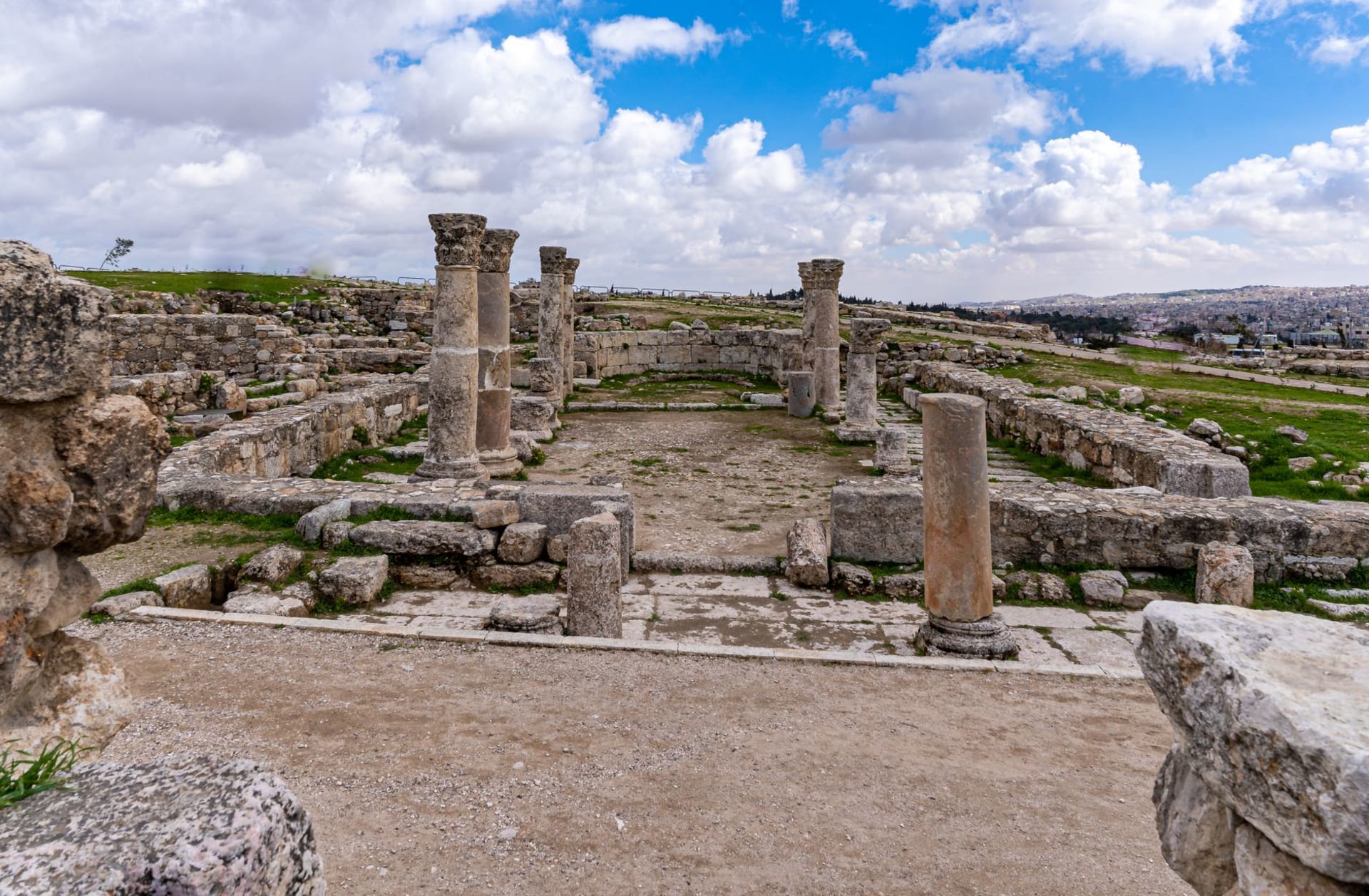
Jabal Haroun — Aaron's Mountain
"Three faiths claim this mountain. Standing at the top, you stop asking why and just look."
The man at the Petra gate told me the walk to Jabal Haroun takes “maybe three hours, maybe more.” By the time I was forty minutes in, moving through a wadi that had nothing in it but sandstone, thorn scrub, and a faint trail worn by the feet of pilgrims and goats, I understood that “maybe more” was doing a lot of work in that sentence. Jabal Haroun — the Mountain of Aaron, where the Prophet Aaron is said to be buried according to Jewish, Christian, and Islamic tradition — rises to 1350 meters west of Petra, the highest point in the region, its summit crowned by a small white-domed shrine that is visible for ten kilometers in every direction. Getting there requires several hours of walking through country that does not make any concessions.
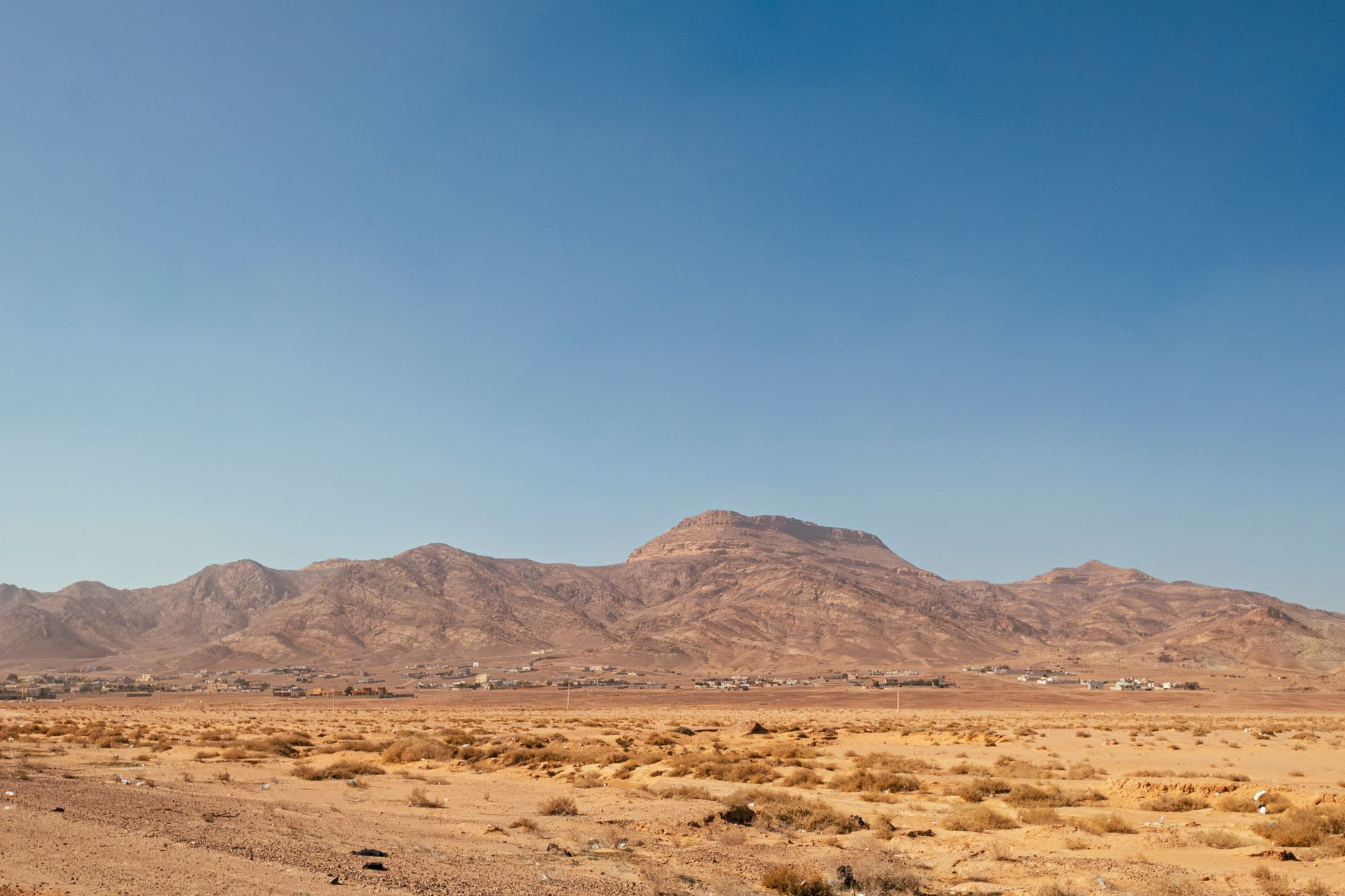
The path passes through the back valleys of Petra — country that most visitors never reach. I moved through a landscape of small wadis and dry riverbeds, the sandstone formations around me turning increasingly dramatic as I climbed, the colors cycling through every shade between cream and deep red. An archaeological team from Finland had been working near the base of the mountain for several seasons, excavating what appears to be a significant Byzantine monastic complex — one of the researchers explained, briefly, that pilgrims had been making this journey for at least fifteen hundred years and possibly much longer. The mountain’s status as sacred ground predates all three Abrahamic faiths; the Nabataeans placed high places on many peaks. This one was simply the highest, and the highest peak gets the most claim.
The last section of the climb is steep, the path cut in hairpins through the rock, the summit shrine growing larger above you as you ascend. The shrine itself is small — a simple whitewashed building, probably medieval in its current form, though built over layers of earlier structures. A Jordanian guard lives in a small hut nearby and has custody of the keys. The interior is dim, carpeted, and plain, with a cenotaph under green cloth marking the supposed resting place of Aaron. Muslim pilgrims come occasionally, their prayers audible through the thin walls. I sat outside on a rock ledge while the guard made tea on a gas burner.
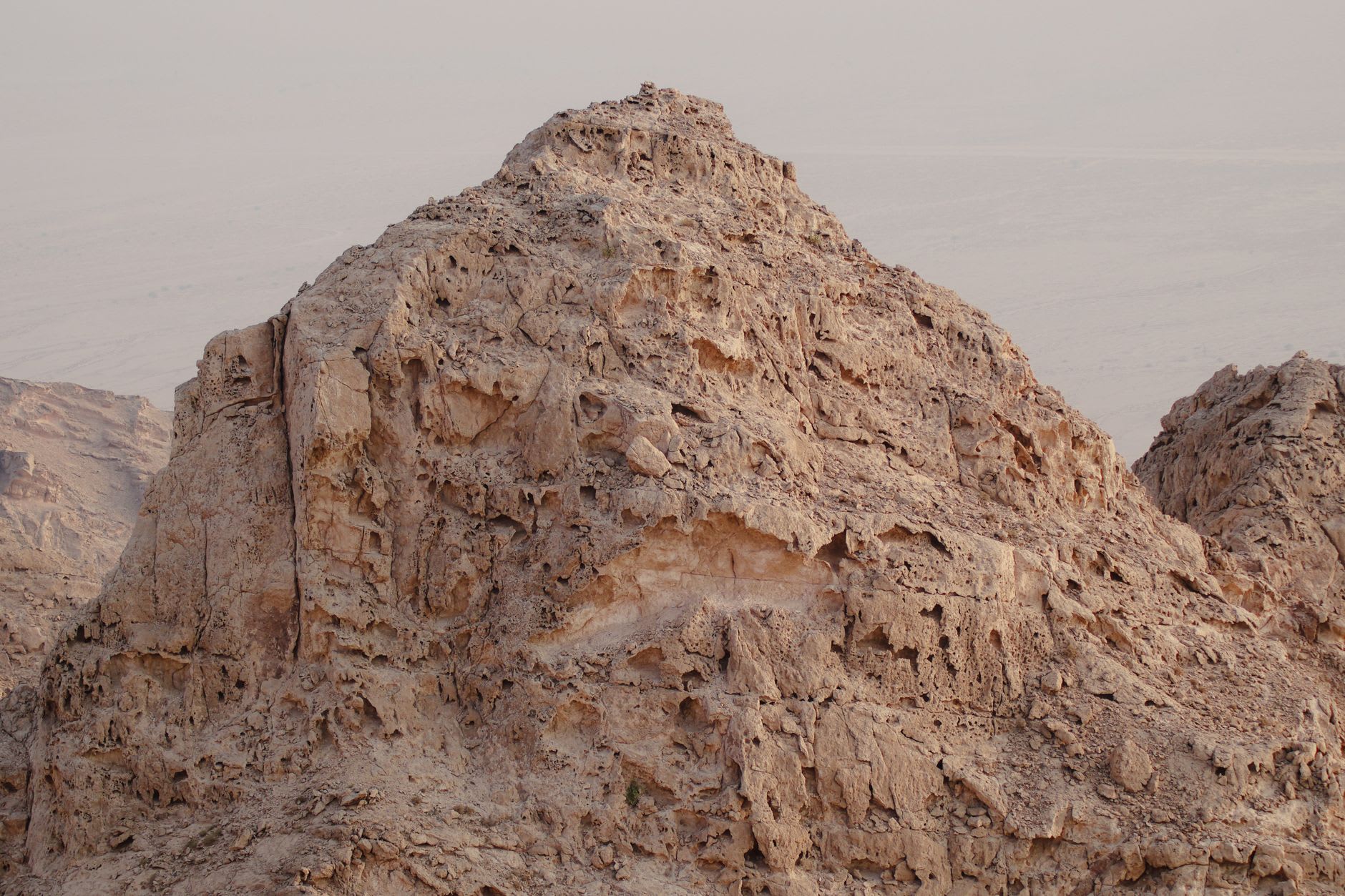
The view from the summit is the view that the Nabataeans and every subsequent inhabitant of this desert used to orient themselves. North: the Wadi Araba dropping toward the Dead Sea. East: Petra’s mountain complex spread below like an aerial photograph, the wadi floors and the city plan visible as geometry. West: the Negev mountains and, on very clear days, the shimmer of the Gulf of Aqaba. South: the Hejaz, the beginning of Arabia. This is the summit from which, if you could see far enough in every direction, you could watch the entire ancient incense trade unfold below you. The caravans moving up from Yemen, crossing the Hejaz, climbing to Petra, continuing north toward Damascus and west toward Gaza. The mountain at the center of it all.
When to go: Spring and autumn. The full return walk takes seven to nine hours and requires at least three liters of water per person. A local Bedouin guide is strongly recommended — the trail forks and the signage is minimal. Start no later than 6am. Some visitors arrange a one-way jeep for the return through Petra’s back road, cutting the return walk. The shrine is technically a place of active pilgrimage — be respectful and quiet inside.