Kalaw
"We came for a two-day walk and stayed an extra night just to smell the pines again in the morning."
A pine-scented hill town where colonial bungalows meet Nepali, Pa-O and Danu life, and the trail to Inle Lake begins.
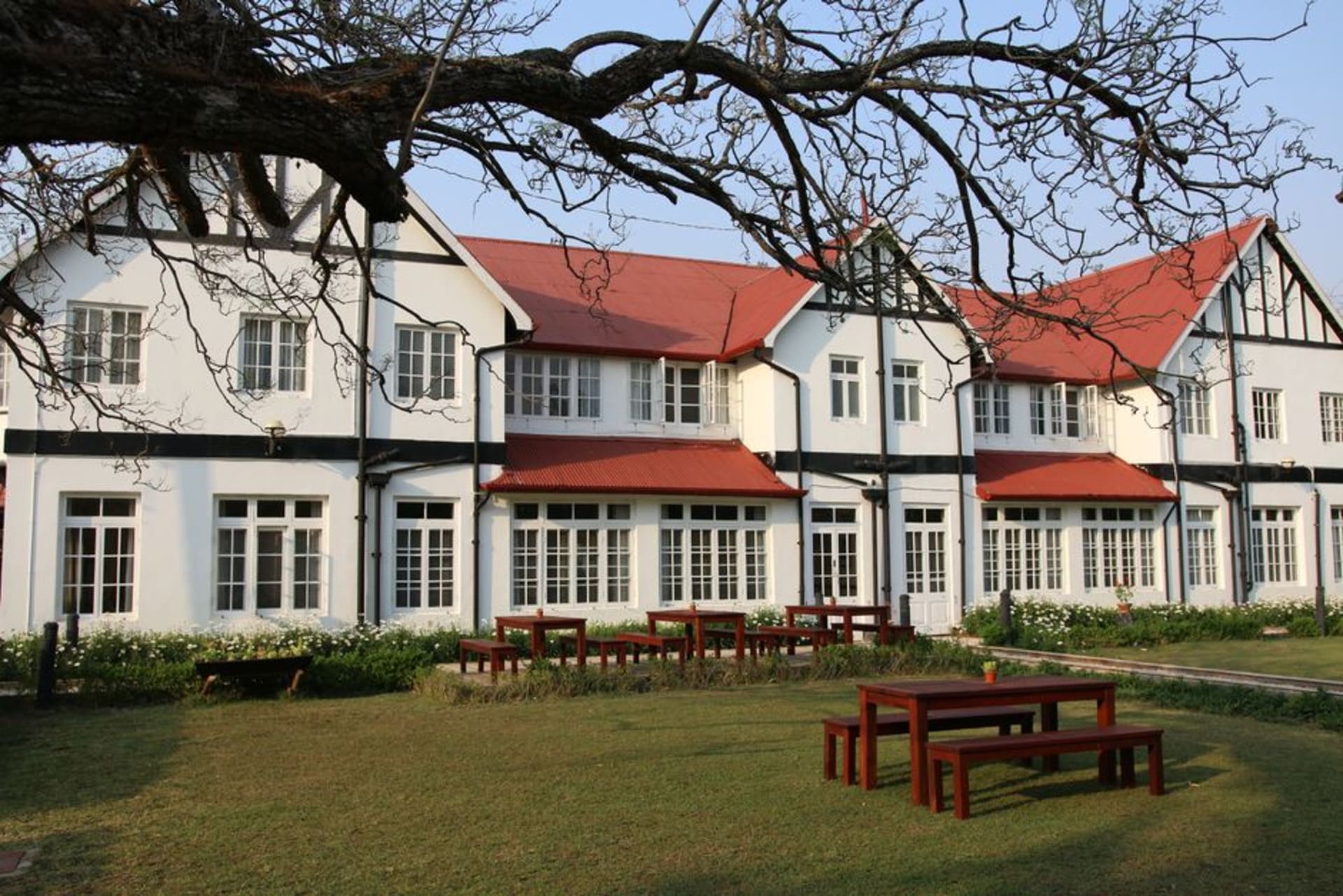
Lia and I stepped off the overnight bus from Yangon into air that actually made us shiver, and after months in the lowland heat that alone felt like a small miracle. Kalaw sits at around 1,320 meters in the Shan hills, and you feel every one of those meters the moment the bus door opens. British administrators built this place up as a hill-station retreat in the early twentieth century, somewhere to escape the heat, and you can still see it in the wooden bungalows with their sloped tin roofs and the eucalyptus-lined lanes that feel oddly like a European village dropped into Southeast Asia.
What struck me most, though, was how layered the town felt once we started walking around. Nepali Gurkha families, descendants of colonial-era soldiers who settled here after their service, run some of the best momos and dal I’ve had outside Nepal itself. Bamar, Pa-O, and Danu communities share the same market streets, and at the central market one morning I watched a Pa-O woman in her dark turban bargain over chilies next to a stall selling Nepali spices, like two centuries of migration compressed into one aisle.

We’d come to Kalaw mainly for the trek to Inle Lake, the two- to three-day walk through pine forest and tea plantations that backpackers have been doing since the nineties, and it did not disappoint. Our guide, a young Danu guy who’d grown up in one of the villages we passed through, kept stopping to point out tea bushes and explain which family owned which terrace. We slept the first night on the floor of a village monastery, ate rice and curry with the local schoolteacher’s family, and woke to fog sitting so low in the valley it looked like the tea plantations were floating.

By the time we reached the boats at Inle two days later, my legs were sore and my boots were caked in red mud, but I already missed Kalaw’s cool mornings and its half-Nepali, half-Shan breakfasts. We ended up detouring back through the town on our way north, mostly for another plate of momos and one more walk past those pagoda rooftops catching the last light.
When to go: aim for November through February, when the Shan hills are at their coolest and driest and the trekking trails hold up best underfoot.