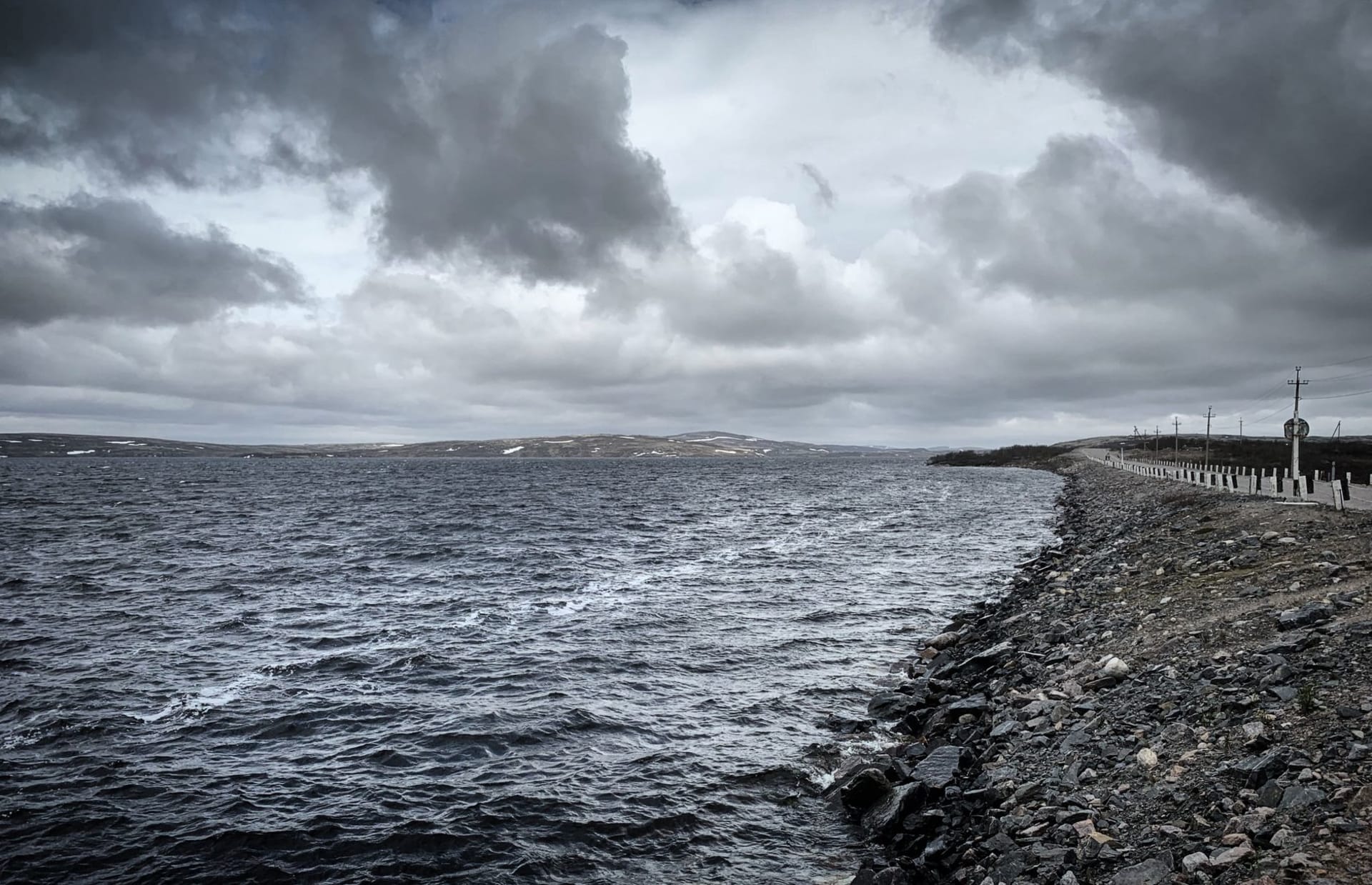
Laplandsky Nature Reserve
"I stood in the taiga for twenty minutes without moving. Nothing happened. That was the whole point."
The permit to enter the Laplandsky Nature Reserve takes some effort to obtain — there is a bureaucratic layer to it, and the reserve administration in Monchegorsk communicates in Russian only — but this friction is not incidental. It keeps the place to a manageable number of visitors, which is to say: very few. When I finally walked the trail into the reserve on a morning in mid-December, I was the only human being for what felt like several thousand kilometres in every direction. I am aware that feeling is not geographically accurate. It didn’t matter.
Laplandsky was established in 1930, making it one of the Soviet Union’s first nature reserves, and it has been largely undisturbed since then aside from a catastrophic interruption in the 1950s when it was briefly liquidated by Khrushchev-era agricultural policy and then, after several years of damaging interference, restored. The forest remembers this. Old-growth birch and spruce occupy the lower elevations, and where the trees thin out toward the highland plateau, a moss and lichen cover has accumulated over centuries that crunches lightly underfoot in winter and is soft as a mattress in summer. The reserve protects one of the few remaining wild reindeer populations on the Kola Peninsula — not domesticated herds but genuinely feral animals, wary in a way that domestic reindeer are not.
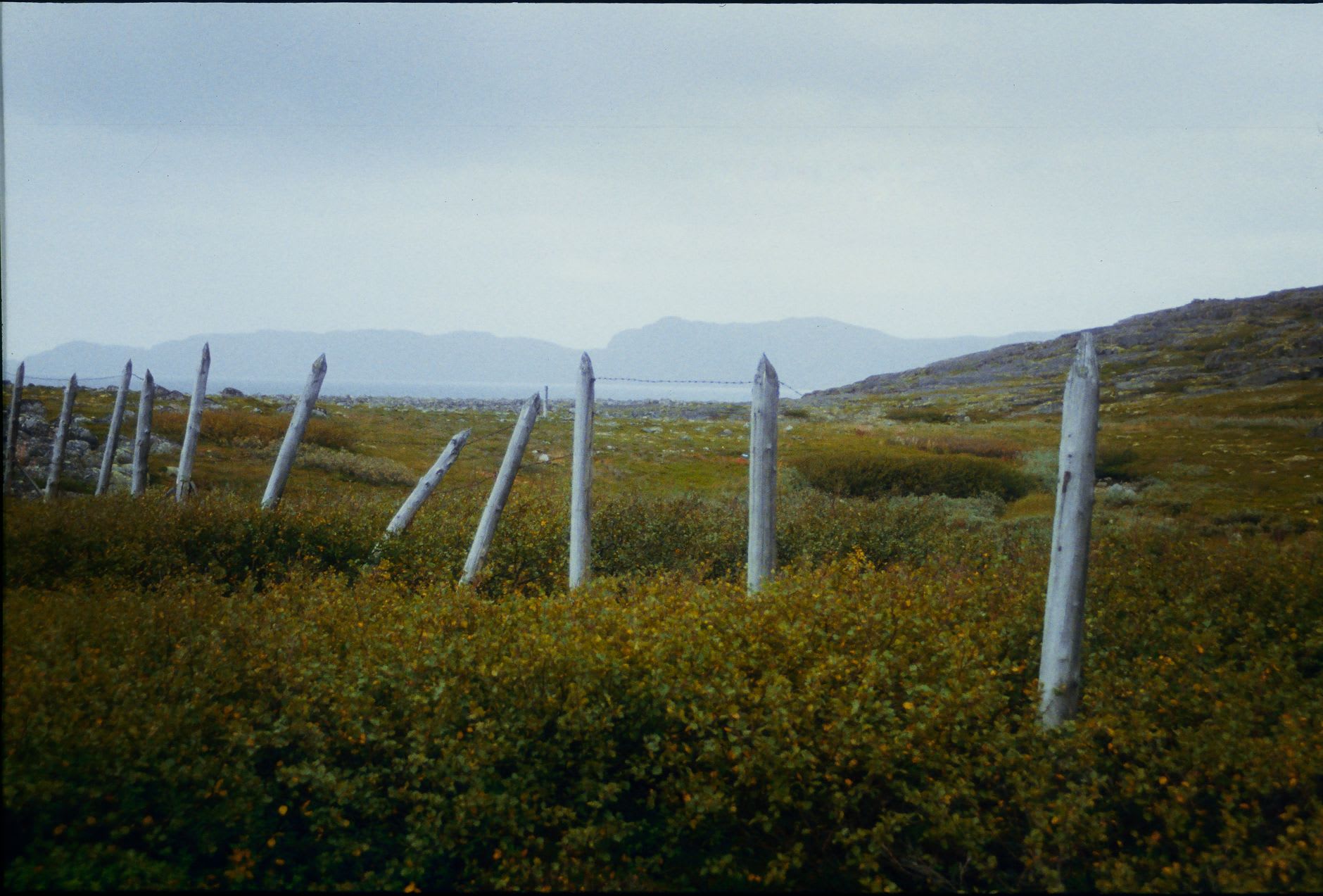
I spent three hours on that first day walking a loop trail that the reserve guides had marked and cleared. In those three hours I saw: the tracks of a wolverine crossing the trail in fresh snow, following some logic I couldn’t reconstruct; a pair of Siberian jays that appeared and disappeared into the spruce like smoke; and, at a bend in the frozen river that cuts through the lower reserve, a shadow under the ice that resolved, as I watched, into a fish — an Arctic char, apparently suspended in the near-frozen water with the same patience the river itself was demonstrating. I stood at that bend for probably fifteen minutes, watching the fish and the ice and the light on the snow, and thought about how this was exactly what I had driven four hours to see and yet had not known I was going to see it.
The reserve runs guided snowshoe excursions in winter — two to four hours, depending on fitness and temperature. The guides are ecologists and the information they carry is dense: they can tell you the specific lichen species on a given stone and whether it’s been growing for fifty years or three hundred, the difference between wolf tracks and dog tracks in snow, which trees survived the Soviet logging pressure of the 1930s and which are secondary growth. This is not wilderness tourism in the sense of manufactured adventure. It is closer to a long slow tutorial in ecological attention.
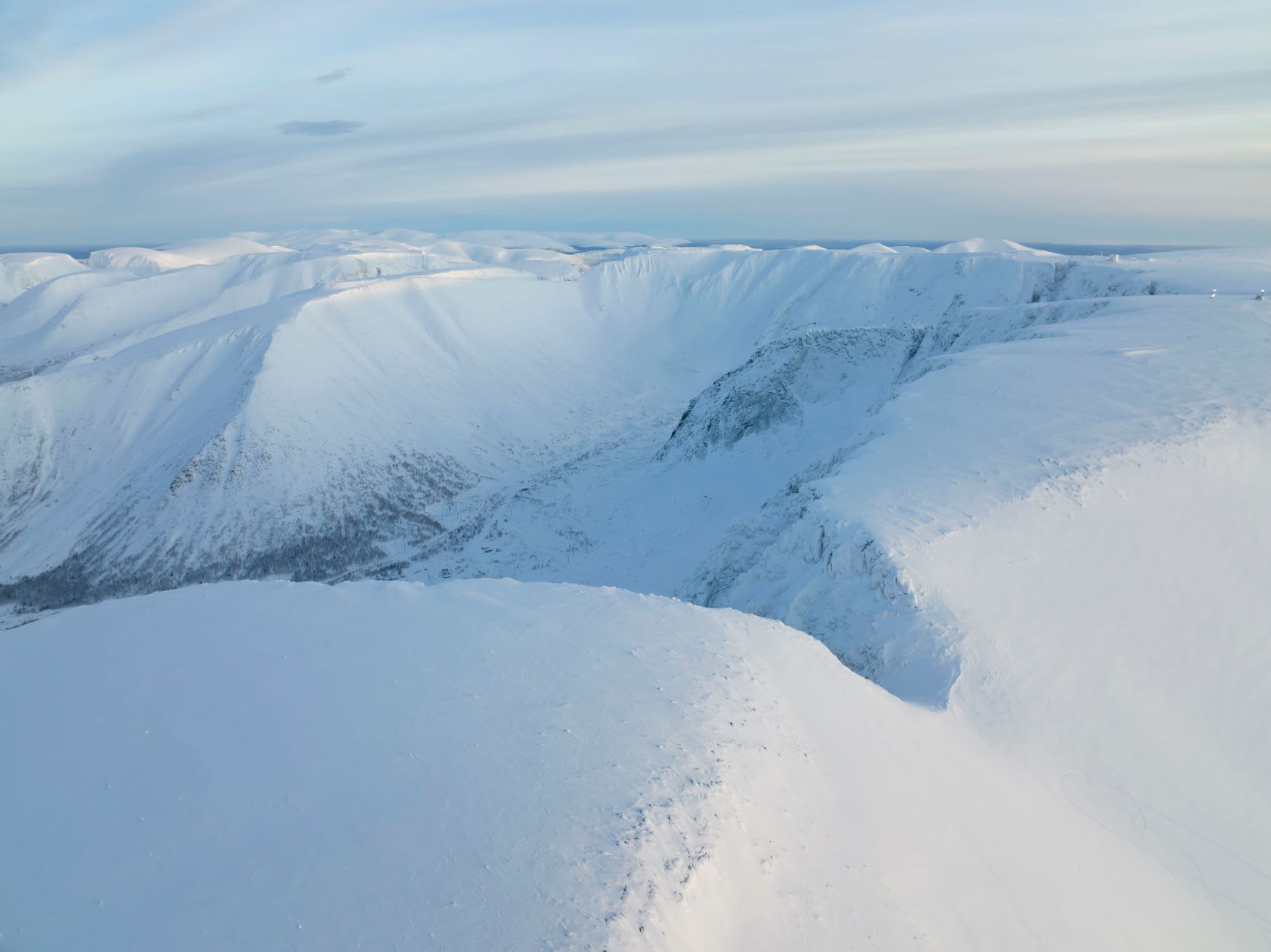
On my way out of the reserve on the last afternoon, the sky in the south turned briefly pink — the closest thing to a sunset that December offers at this latitude — and the snow in the clearings caught it and held it for about three minutes before the light was gone. In the silence that followed, which was total and had been total all day, I heard something that might have been wind but was probably just the settling of snow in the branches somewhere above me. The reserve doesn’t offer drama. It offers something slower and more durable than drama. I’ve been trying to articulate what it is since I left. I think it’s simply the sensation of being genuinely far from anything that you or any other human being has affected.
When to go: December through March for snowshoeing, wildlife tracking, and the full Arctic winter experience. April brings snowmelt and the spring migration of waterfowl. Late June through August offers tundra hiking and the midnight sun on the highland plateau. Permits must be arranged in advance through the reserve administration in Monchegorsk — allow at least a week of lead time.