Europe
Murmansk & Arctic
"The polar night taught me that darkness can be something you live inside."
I arrived in Murmansk on the 11th of December, which meant I stepped off the train into a city that hadn’t seen the sun in three weeks and wouldn’t see it again for three more. The platform lights cast orange pools on the ice and everyone moved fast, not from urgency but from cold — the kind that doesn’t ask permission. My first breath outside felt like inhaling shards of glass. My second felt like the most awake I’d been in years.
Murmansk is a Soviet Arctic port, the largest city north of the Arctic Circle, built on the shoulders of a fjord called the Kola Bay. It smells of diesel and frozen salt. The buildings are the color of old bruises — Khrushchev-era concrete blocks in faded ochre and grey — and the streets slope up dramatically toward hills where a giant monument soldier called Alyosha stares out over the bay with a calm that borders on indifference. I climbed up to him the first morning, or rather what passed for morning — a pewter glow that lasted about two hours before the darkness folded back in. From up there, the bay glittered with the lights of nuclear icebreakers. The Lenin, the world’s first nuclear-powered surface vessel, sits permanently docked there, open for tours. Standing on its bridge felt genuinely strange — a Cold War relic turned museum, surrounded by ice.
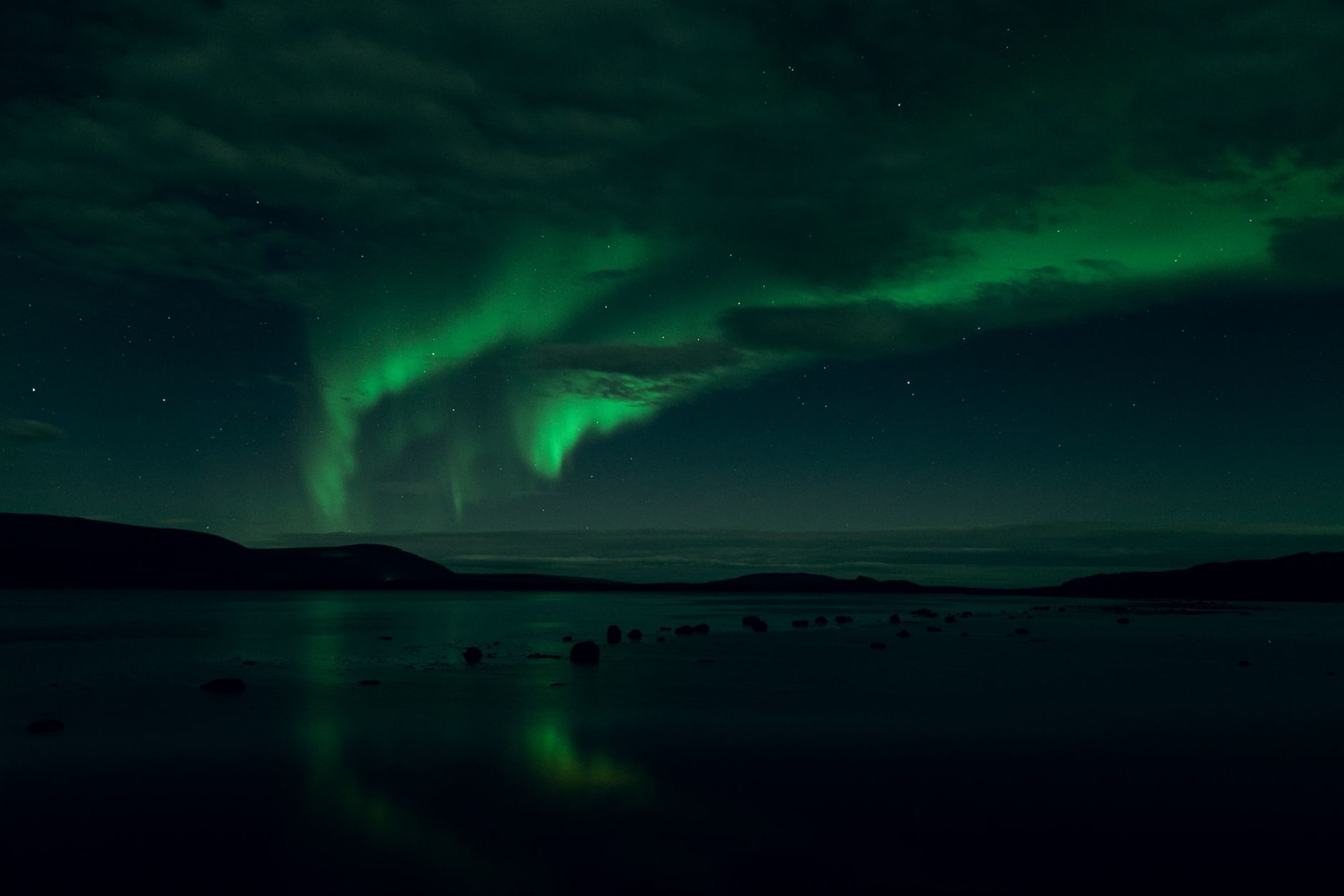
The food is exactly what you’d expect from a fishing port that also served as a Soviet military hub: dense, unglamorous, restorative. Crab is everywhere — Kamchatka crab, pulled from the Barents Sea, served simply with butter or in a soup so rich it coats the back of a spoon. I ate at a place called Tundra, wooden walls and low lighting, where the menu featured reindeer tongue and cloudberry jam alongside plates of smoked Arctic char. Between meals I drank black tea out of glass cups at the hotel bar and watched cargo ships inch through the bay. The aurora appeared on my third night — not a polite shimmer but a full curtain of green and violet that folded and rippled overhead for two hours. I stood outside until my eyelashes froze. Coming from Mexico, I had genuinely forgotten that the sky could do that.
When to go: Late November through January for guaranteed polar night and the best aurora viewing odds (clear skies permitting). March brings the return of the sun and good conditions for dog-sledding and snowshoeing outside the city. Avoid May and June — the endless daylight is disorienting and the snow has turned to slush.
What most guides get wrong: Everyone focuses on the aurora as the headline attraction, but the polar night itself is the experience. Two months of twilight and darkness changes how you think about time, hunger, sleep, and light in ways that a single night of aurora-watching doesn’t touch. Come for at least a week. Let the darkness actually get to you. That’s when Murmansk stops being a destination and starts being a lesson.