
Khibiny Mountains
"Mountains this far north shouldn't exist, but here they are, and they don't seem to care what you think."
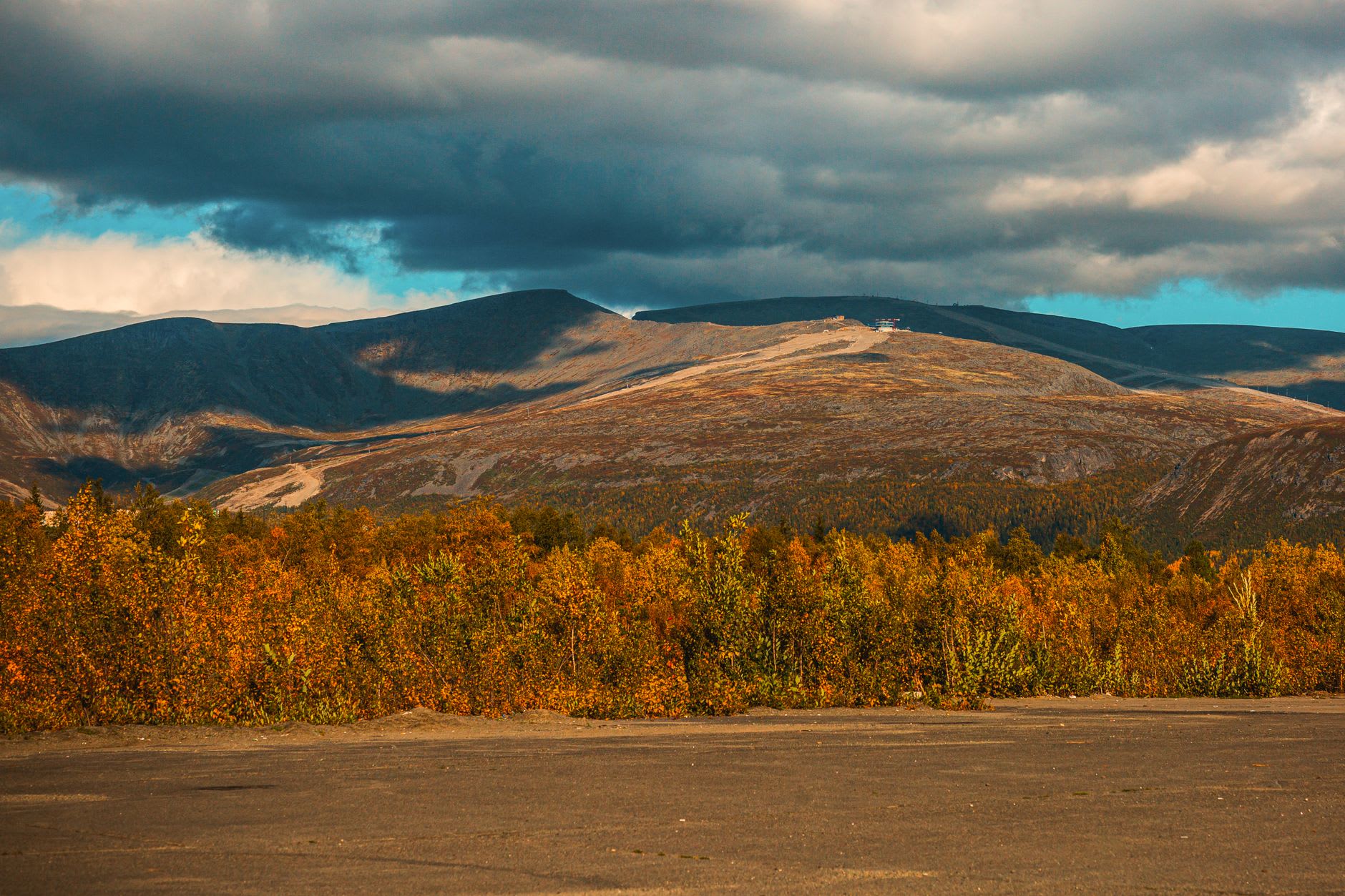
I arrived at Kirovsk by train from Murmansk — a three-hour journey through a landscape that shifts from coast to interior in a way that feels like the scenery is being swapped out scene by scene — and when I stepped onto the platform and looked up, the Khibiny were already above me. Not in a gradual way. Abruptly, massively, as though they had been waiting behind a curtain and someone had pulled it. Rocky summits with cornices of wind-packed snow, ridgelines that jagged into a sky that was trying to decide between blue and white. At sixty-eight degrees north, this felt cosmologically inappropriate.
The Khibiny are the largest mountain range inside the Arctic Circle in Russia — which sounds more qualified than it deserves to. These are real mountains, the tallest topping out around twelve hundred metres, and what makes them striking is the contrast with everything around them. The Kola Peninsula is predominantly flat tundra and lake country. The Khibiny arrive without warning and at a scale that reorganises your sense of the landscape entirely. They were formed by volcanic activity almost four hundred million years ago and contain deposits of apatite — a phosphate mineral — so rich that mining them helped give the Soviet Union control of its own fertiliser supply. The mining city of Apatity sits at their base, still functioning, still Soviet in its bones.
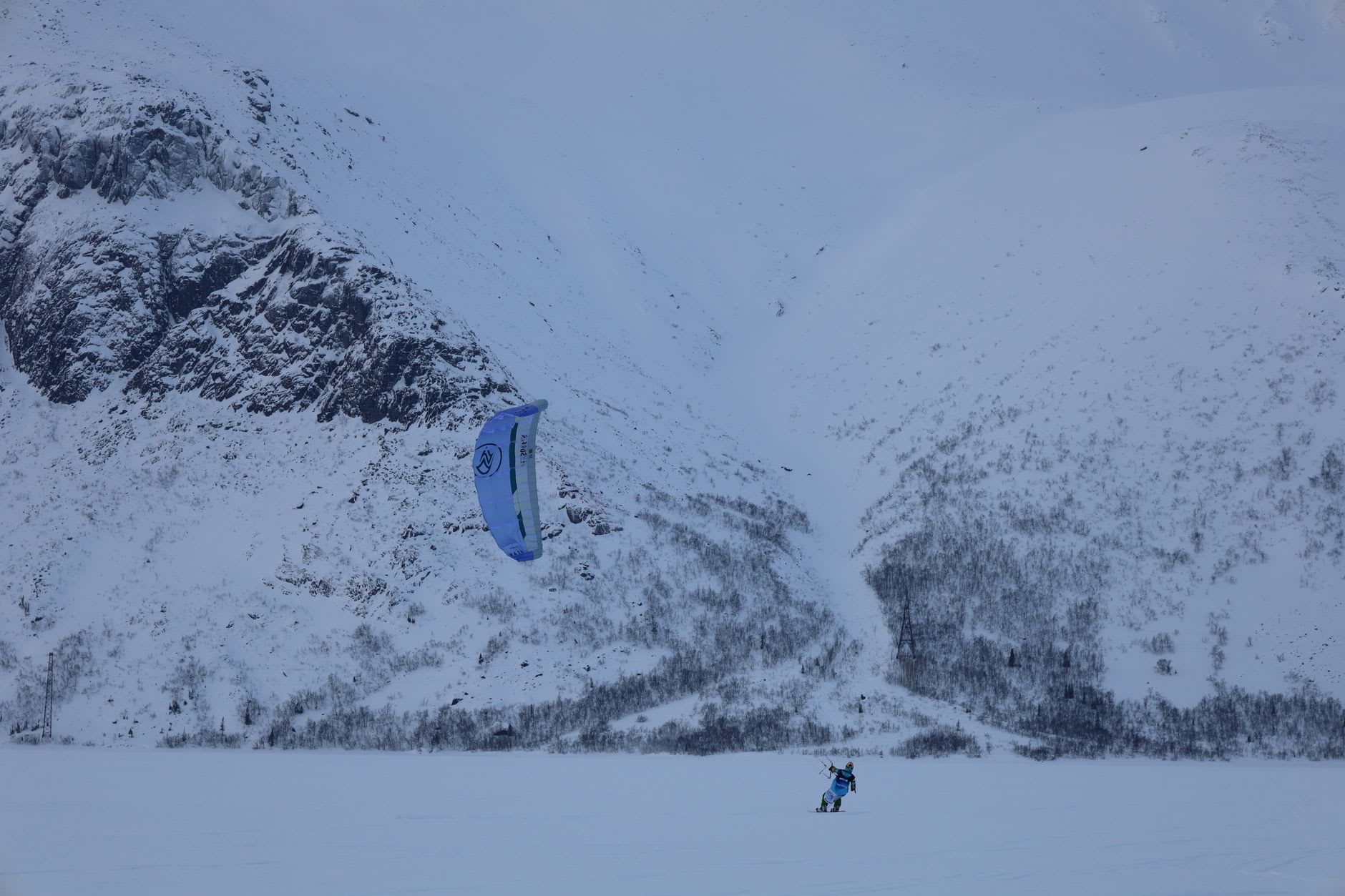
In winter, the slopes above Kirovsk host some of the most reliably snowy skiing in Russia — not because the altitude is spectacular but because the snowfall is extraordinary, often measured in metres, and the cold keeps it dry and light in a way that skiers apparently love. I am not a skier but I took the chairlift up anyway, because chairlift rides in places you shouldn’t be exist as their own category of experience. At the top, the plateau opened out into a high Arctic landscape that bore no resemblance to what I’d seen below. Wind-scoured snow, bare grey rock protruding through it, visibility dropping fast in a cloud that rolled in from the north. I stayed about fifteen minutes before the cold became genuinely instructive.
Summer — which in the Khibiny means July and early August — is apparently revelatory. The plateau blooms with Arctic wildflowers in a brief, ecstatic display, and hikers cross it in the midnight sun on routes that in winter would be accessible only to experienced mountaineers. I’ve spoken to people who’ve done this and they describe a kind of mild derangement from the combination of altitude, light, and landscape — not unpleasant, more like the feeling of a place dissolving its usual conditions around you.
In Kirovsk itself, the city is more interesting than its industrial pedigree suggests. There is a genuine local culture around the mountains — guides, geologists, the particular type of person who decides to live somewhere cold and vertical by choice rather than necessity. I had dinner at a place near the main square where the cook came out and explained what each dish was made of in Russian that a kind local translated for me: reindeer slow-cooked with juniper, a soup of white fish from the nearby lakes, cloudberry preserves alongside the bread. This food exists because of its environment, not in spite of it. It tasted like the specific latitude it came from.
When to go: November through April for skiing and classic Arctic winter conditions. The ski season runs longer than most European resorts due to the northern latitude. July and August are the best months for trekking the high plateau. Avoid October and May, which offer the worst of both seasons — icy trails and insufficient snow for skiing.