
Vilanculos
"I came for the boat to the islands. I stayed three extra days. That's what Vilanculos does to you."
The gateway town to the Bazaruto islands that is easy to rush through and wrong to — it has its own slow, salt-aired logic.

I arrived in the afternoon, the bus from Maputo emptying into a heat that felt personal, and walked toward the sound of water. The sand streets of Vilanculos — actual sand, soft enough to sink into slightly with each step — lead down through low buildings and market stalls to a bay that opens wider than expected, the Bazaruto islands visible as a pale smudge on the horizon some twenty kilometers out. The dhow-builders were working on a hull near the waterline, three men in the shallow water hammering caulking into the seams of a boat that looked nearly ready, and the sound of their mallets carried clearly in the still afternoon air. I sat on a low wall and watched them for an hour and thought: I haven’t planned enough time here.
The market is the organizing principle of Vilanculos in a way that markets in more visited towns rarely are. It is not picturesque in any designed sense — no painted facades, no organized stalls — but it is genuinely alive, a daily negotiation between fishing families, cashew traders from the interior, women selling dried shrimp and smoked fish from baskets, and the kind of small commerce that doesn’t require a middleman. I bought a mango from a girl who was probably twelve and who quoted me a price in meticais, Portuguese, and English in rapid succession, clearly having this particular negotiation many times a day.
The waterfront at night is where the town shows its better self. There are a handful of restaurants with tables set on sand or on low wooden decks facing the water, and the grilled seafood here is honest — whole fish, piri-piri chicken, prawns done simply over charcoal — none of the architecture that arrives when a place decides it is a destination. I ate at one place two evenings in a row because the woman running the kitchen knew what she was doing with a flame and a crayfish, and the cold beer came fast, and the bay went silver as the stars came up.

The dhow departures to the Bazaruto islands happen before dawn, and even if you have a charter arranged, there is something about watching the fishing dhows go out in the dark that matters — these are boats that have been making this crossing for hundreds of years, the design barely changed, the navigation still read from the stars and the current and the color of the water. I got up at four-thirty on my last morning and went down to the beach to watch them go. The sails went up one by one in the darkness and the shapes moved out onto the bay and became indistinct and then disappeared, and I felt something adjacent to loss, which is a strange thing to feel in a place you’ve known for three days.
When to go: April through November works well for the town and for dhow crossings to the archipelago — calm seas, manageable heat, reliable skies. July is peak season but never overwhelming. December through February brings rain and can make the sand streets muddy; cyclone season also makes longer open-water crossings inadvisable.
Keep exploring
More from Mozambique
 mozambique
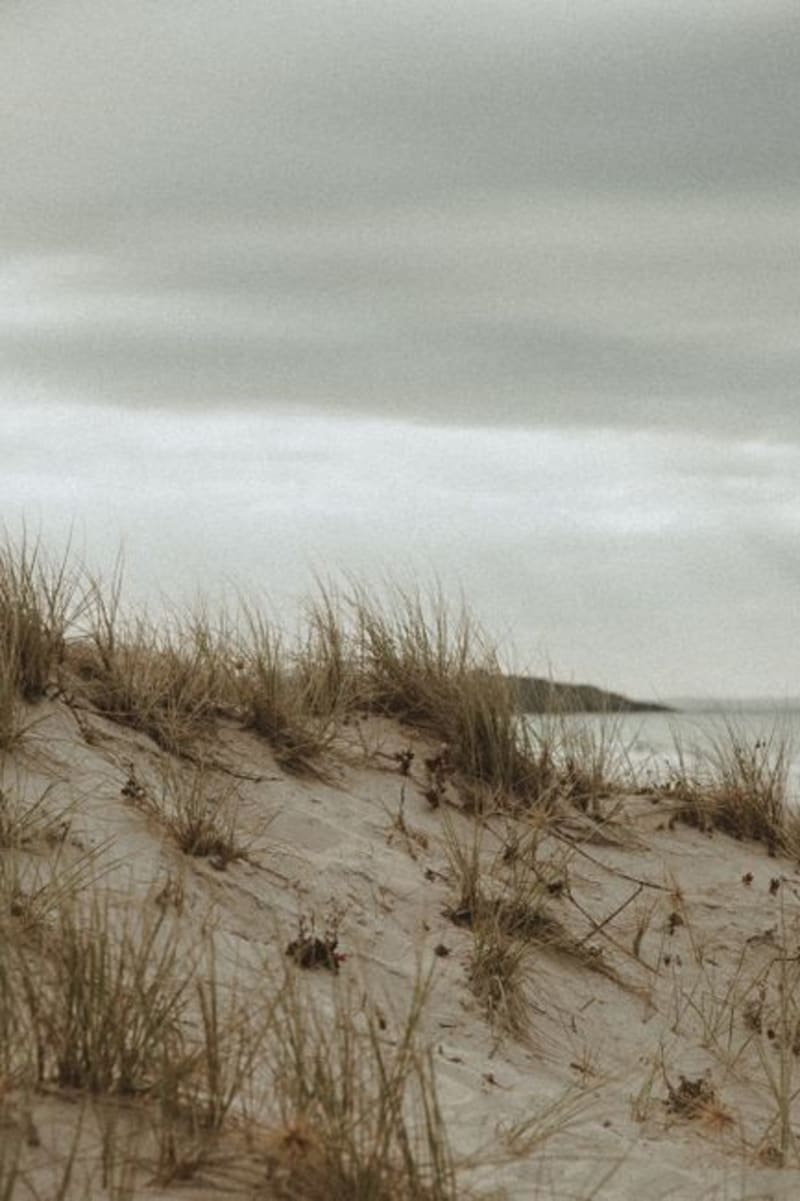
Xai-Xai Beach
A wide stretch of Indian Ocean sand backed by dunes and whispering casuarinas, ten kilometres from a town rebuilding itself into a laid-back coastal escape.
Explore mozambique
Bazaruto Archipelago
Four Indian Ocean islands where the water is so impossibly blue and clear that you spend the first day simply staring into it.
Explore mozambique
Chimanimani Mountains
A cool, misty quartzite range on the Zimbabwe border where Mozambique's coastal heat finally gives way to silence and altitude.
Explore mozambique
Gorongosa National Park
One of Africa's great conservation comeback stories, where wildlife is visibly reclaiming a landscape the civil war tried to empty.
Explore mozambique
Ibo Island
A coral-rag island in the Quirimbas where three Portuguese forts crumble beside a village of silversmiths who learned their craft from Arab traders.
Explore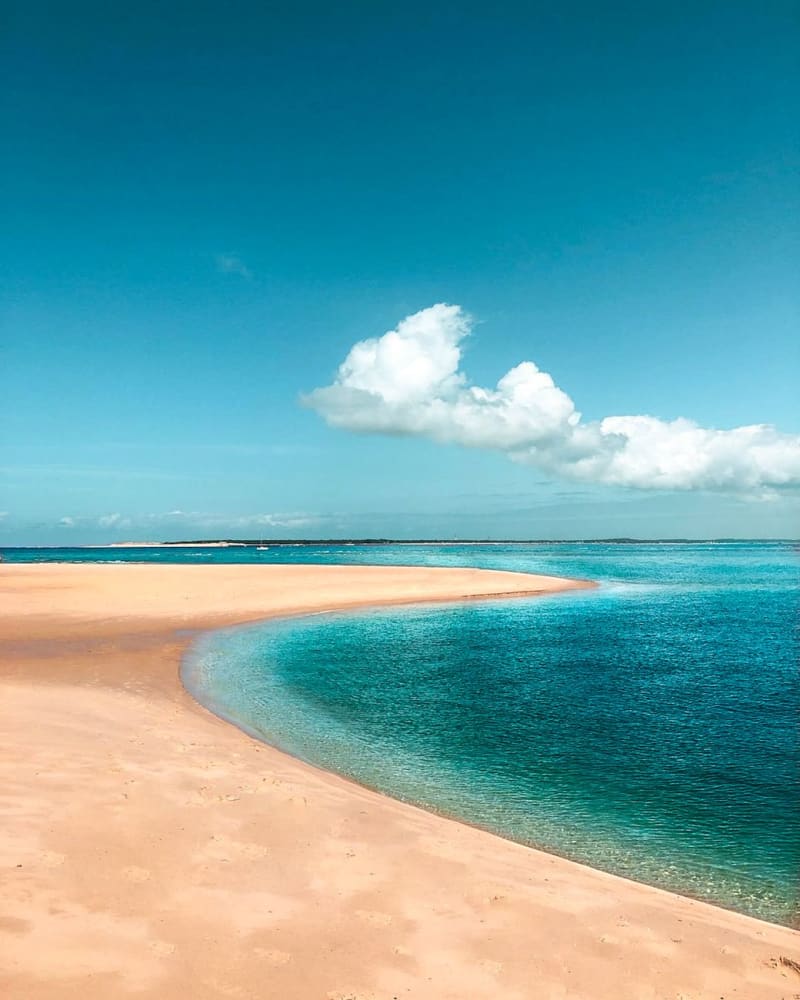 mozambique
Ilha de Moçambique
A crumbling, dazzling stone island that gave the whole country its name, where Swahili, Portuguese, and Indian Ocean histories share the same narrow streets.
Explore