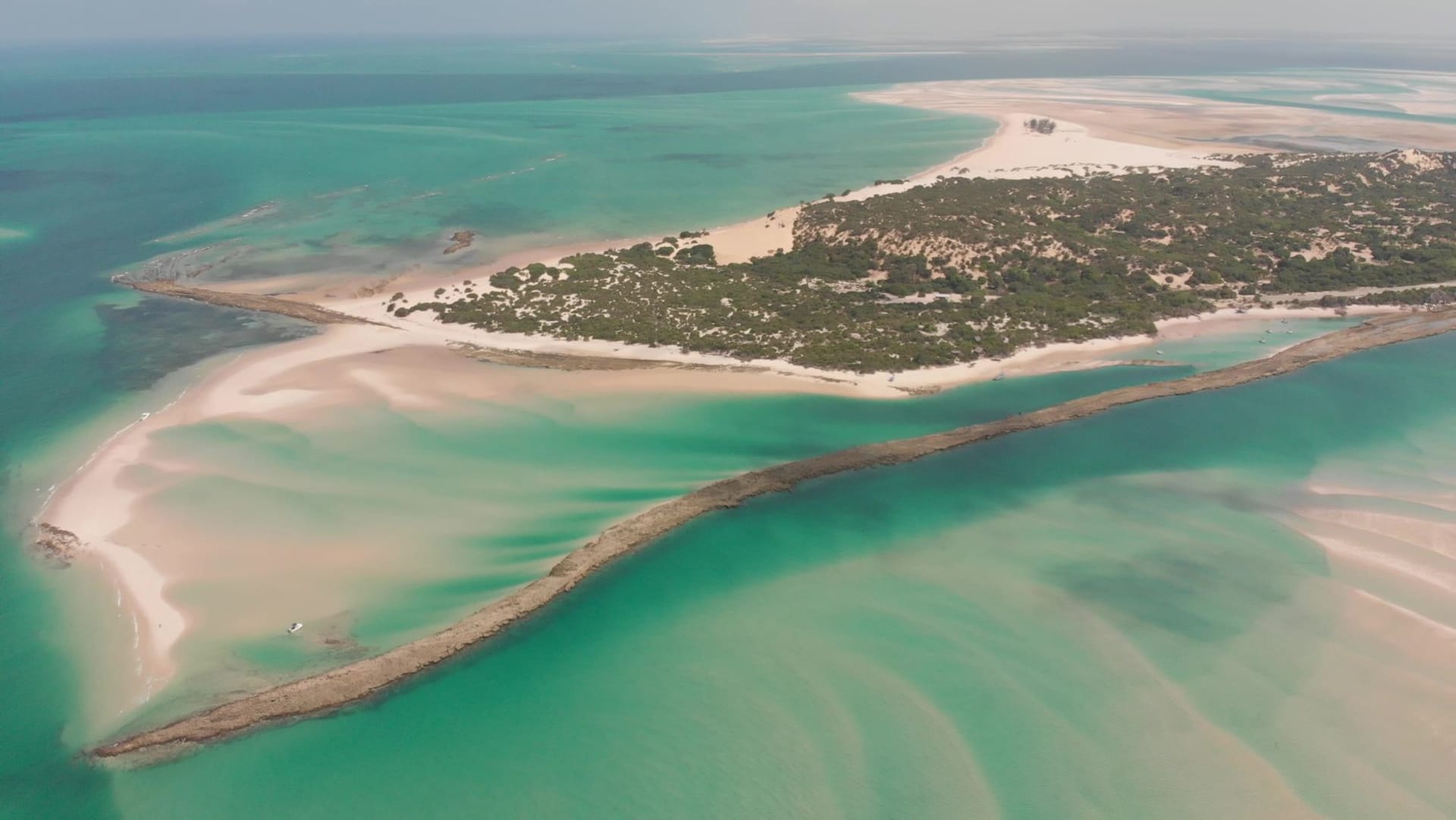
Ilha de Moçambique
"A whole nation took its name from this small island, and then quietly forgot to keep it from falling apart. I found that strangely beautiful."
The country is called Mozambique because of this island, and almost nobody who visits the country bothers to come here. That contradiction is most of why I wanted to. Ilha de Moçambique is a sliver of coral rock barely three kilometers long, connected to the mainland by a single-lane bridge so narrow that traffic takes turns crossing it, and it was the capital of Portuguese East Africa for nearly four hundred years before everyone packed up and moved to Maputo. What they left behind is a UNESCO-listed Stone Town that is half-restored, half-collapsing, and entirely under my skin.
Lia and I crossed the bridge at dusk in a shared chapa, the sun going down behind the dhows, and I remember thinking the place looked like a film set that had been allowed to keep aging after the crew went home. Grand colonial buildings with their plaster falling away in sheets. A Portuguese fortress at the tip. And life — actual, loud, ongoing life — happening in and among all of it.
Two towns on one island
The island splits in two. Stone Town, at the northern end, is the old European quarter: churches, the governor’s palace, the chapel of Nossa Senhora de Baluarte, which is the oldest European building in the southern hemisphere and sits weather-beaten and almost unguarded by the sea. Then there’s Macuti Town at the southern end, named for the palm-thatch roofs, where most of the island’s population actually lives, in dense reed-and-coral housing that has more energy than the whole museum quarter combined.
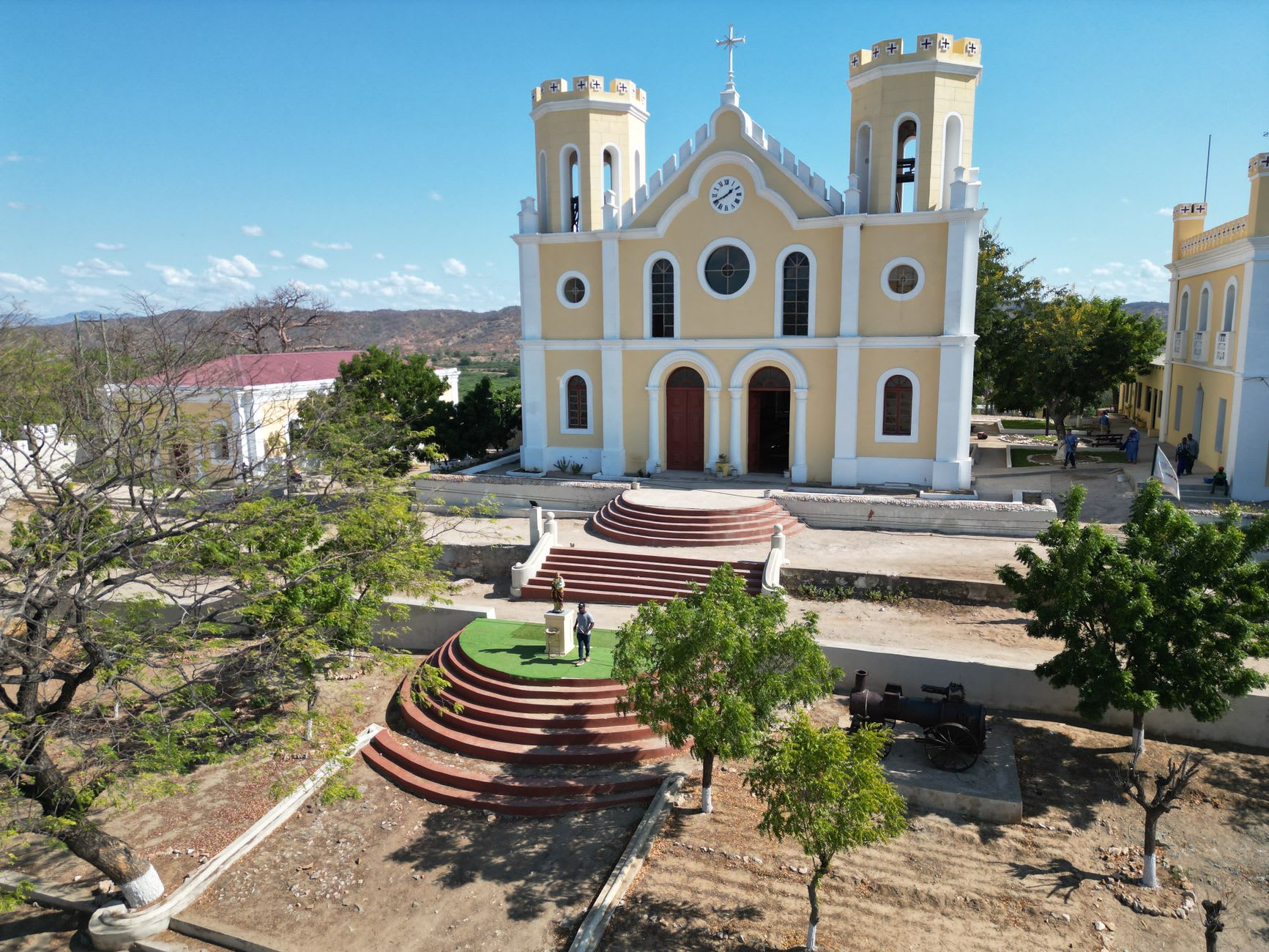
I spent a whole morning walking from one end to the other and back, which tells you the scale of the place. The Fort of São Sebastião dominates the northern point — a vast sixteenth-century star fort that the Portuguese built to guard the spice route, and which is so large and so empty that walking its ramparts alone, with the wind off the channel and not another soul in sight, was one of the eeriest hours of the whole trip. Down in the Macuti streets, by contrast, I couldn’t go ten meters without children appearing, a radio playing, someone frying something that smelled of garlic and the sea.
What people eat, and where I slept
The food here is the best argument for the island’s tangled history. The Indian Ocean trade left a deep mark, and the seafood comes cooked with coconut and curry spices that you don’t find further south — matapa, prawns in coconut sauce, fish grilled simply with lime. We ate at a tiny place run by a woman who cooked whatever the boats had brought in, and the meal cost almost nothing and was better than restaurants I’ve paid four times as much for.
We stayed in a restored merchant’s house with thick walls and a rooftop where you could see both the ocean and the bridge lights, and at night the heat finally relented and the call to prayer drifted over from the island’s mosques. It’s a Muslim island at heart, beneath the Catholic churches — another layer in a place that is essentially all layers.
When to go: May to October is the dry, cooler season and by far the most comfortable. The wet months from December to March are hot, humid, and prone to heavy rain. Whenever you come, give the island at least two nights — it rewards slowness, and day-trippers miss the thing that makes it special, which is how it feels at dawn and after dark when the bridge traffic has stopped.