Africa
Mozambique
"The Indian Ocean at its most unguarded, before the resorts find it."
I landed in Maputo on a Thursday evening and the heat hit me before the jet bridge finished extending — that particular weight you only get close to the equator, where the air itself seems to lean on you. The city surprised me immediately. Maputo has a confidence to it that colonial-era boulevards and crumbling pastel architecture can’t fully explain. There are jacaranda trees lining wide avenues, Portuguese tile work on buildings that are half-collapsing, open-air markets spilling into streets, and an outdoor restaurant scene that runs until two in the morning. I had piri-piri prawns that first night at a place with plastic chairs and fluorescent lighting, and they were better than anything I’d eaten in months.
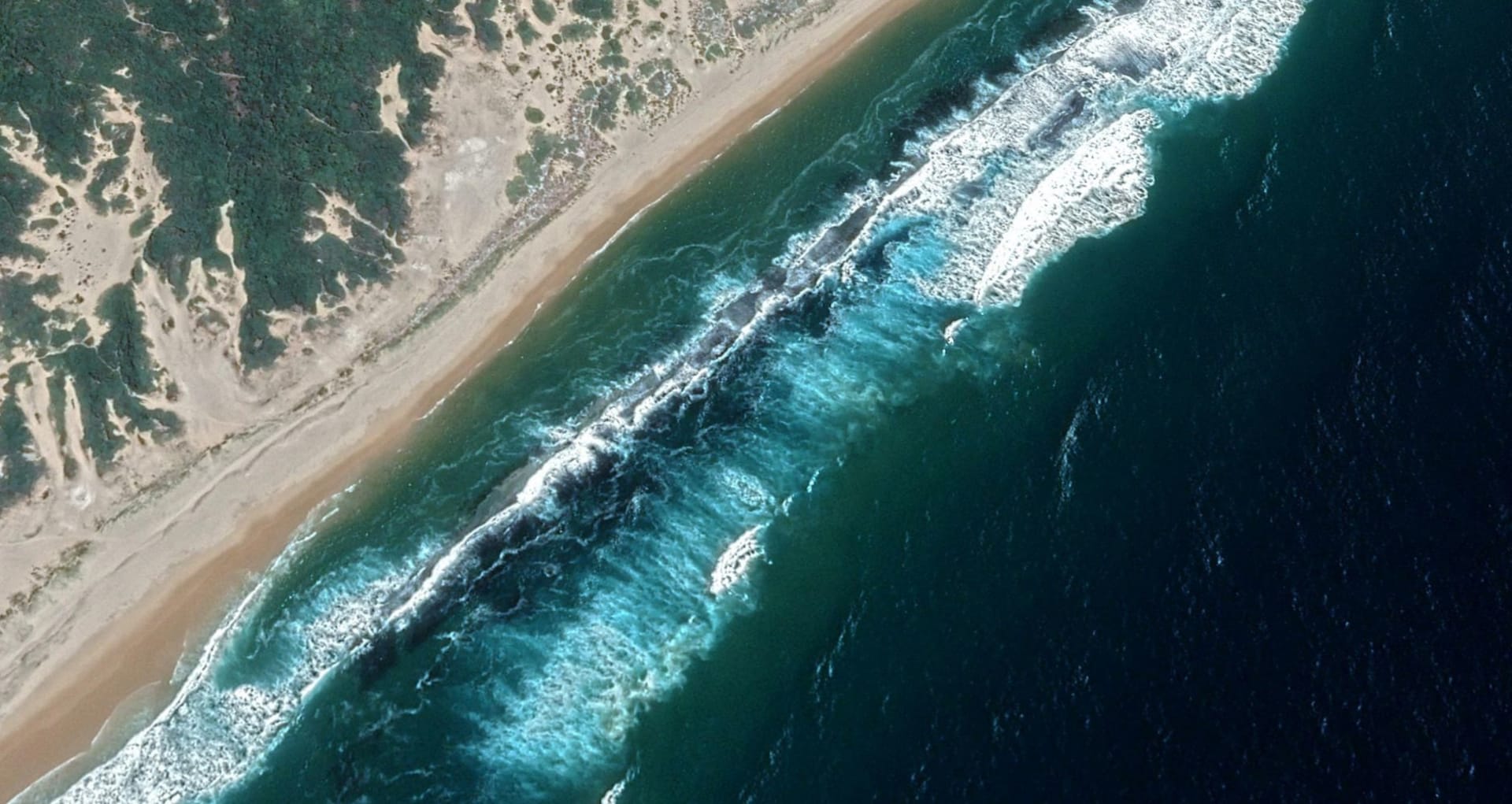
But Mozambique’s real argument is the coast — specifically the Bazaruto Archipelago, four islands sitting off the southern shore like an afterthought, the kind of place that makes you suspicious of travel adjectives until you actually see the water. It is genuinely, shamelessly that color. The lagoon between Bazaruto island and the mainland is shallow enough in places to wade and so clear that you can watch the seagrass sway six meters below. Dugong still graze there. Not in a marine reserve pamphlet sense — actual dugong, which I watched for twenty minutes from a wooden dhow while the skipper ate a mango with his feet up. Further north, the Quirimbas Archipelago offers a rawer version of the same magic, with fewer lodges and more reef, and the kind of quiet that makes you recalibrate what you thought you needed from a beach.
The country carries the weight of a painful history — the civil war that ended in 1992 left marks that are still visible in infrastructure, in the caution of older generations, in the way development has arrived unevenly. But there is also a creative energy in Maputo, a music scene built around marrabenta rhythms, artists’ studios operating out of former warehouses, and a pride in Mozambican identity that has little interest in performing anything for outside audiences. It took me a few days to stop traveling past it and start traveling through it.
When to go: April to November is the dry season and the safest window — humidity drops, malaria risk lowers, and the sea off the archipelagos settles into flat, visible blue. July and August are peak months but never feel crowded by Southeast Asian standards. Avoid January to March when cyclone season and heavy rains make the coast unpredictable and roads in the north actively difficult.
What most guides get wrong: They position Mozambique as a luxury-only destination because the Bazaruto lodges carry extraordinary price tags. But that framing flattens the country into its most expensive corner. Tofo, a small beach town on the southern coast, has been running affordable guesthouses and excellent dive operations for years — the whale sharks there are not a premium product. Vilanculos is accessible and has its own charm. Maputo itself is underrated as a destination in its own right, not merely a transit stop. You do not need to spend a thousand dollars a night to understand what makes this coastline extraordinary.