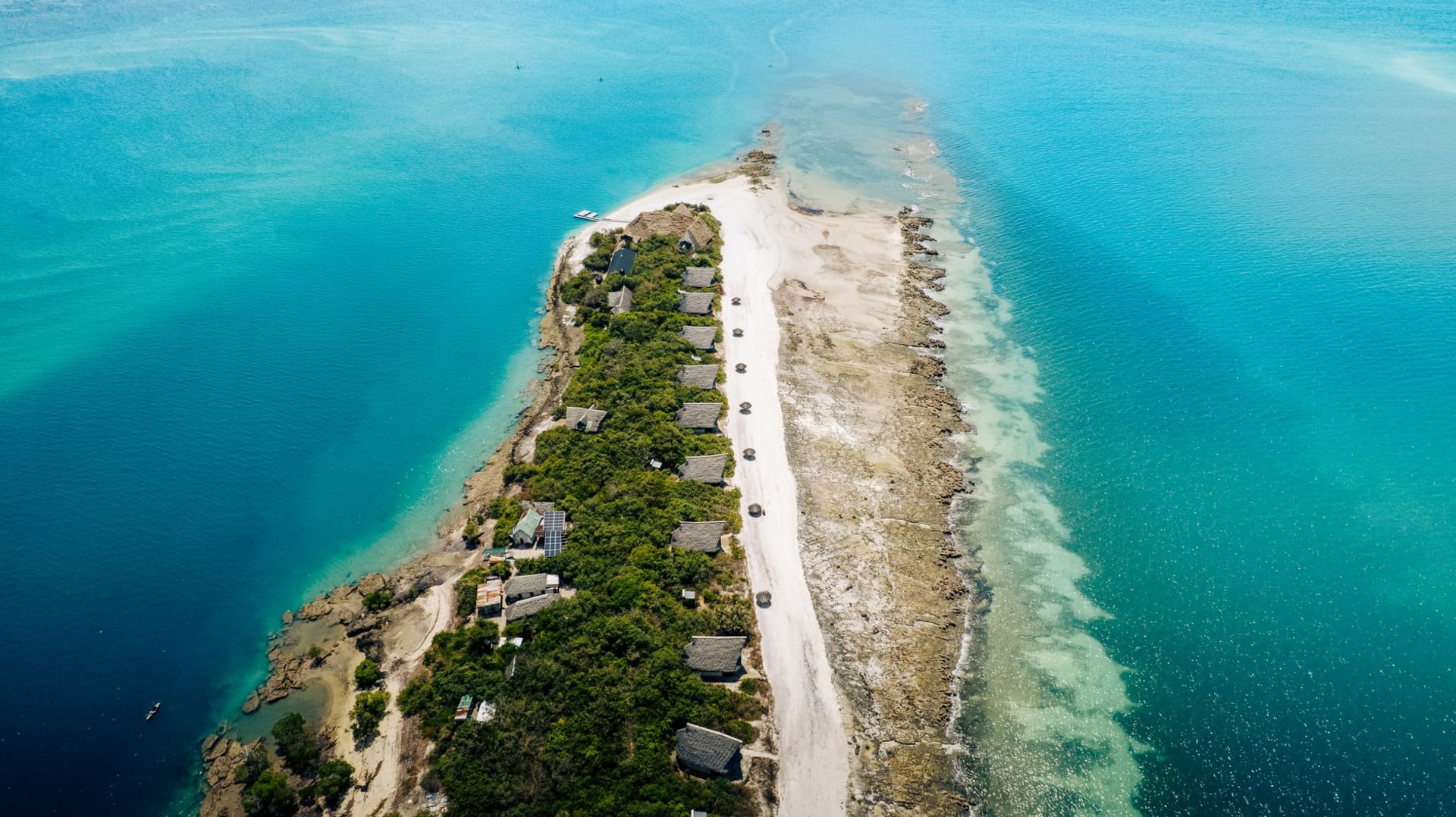
Bazaruto Archipelago
"A dugong surfaced ten meters from the boat. The skipper didn't even look up from his mango."
The approach by small charter plane from Vilanculos takes eleven minutes, and for most of that time I had my face pressed against the window in a way I haven’t done since I was eight years old. The lagoon between Bazaruto Island and the mainland is visible from altitude as a shifting field of impossible color — pale turquoise at the edges where the sandbars rise to almost nothing, deepening through green into that particular blue that looks photoshopped in every photograph but turns out to be accurate. When the plane banked to land I saw the seagrass meadows clearly through six meters of water, and I understood immediately why people come back here for the rest of their lives.
The lagoon is the heart of the archipelago in every sense. The water is warm and shallow enough in places to wade for hundreds of meters from shore, and so transparent that snorkeling feels almost redundant — you can watch everything from the surface. Dugong still graze on the seagrass beds, which is not a fact I had emotionally prepared for. We went out on a wooden dhow on the second morning, the skipper a quietly amused man named Armando who had been running these boats for twenty years, and about forty minutes out from shore a dugong surfaced slowly beside us, breathed, and slid back under. Armando glanced at it briefly and returned to his mango. I watched the shape of the animal dissolve back into the seagrass for a long time after that.
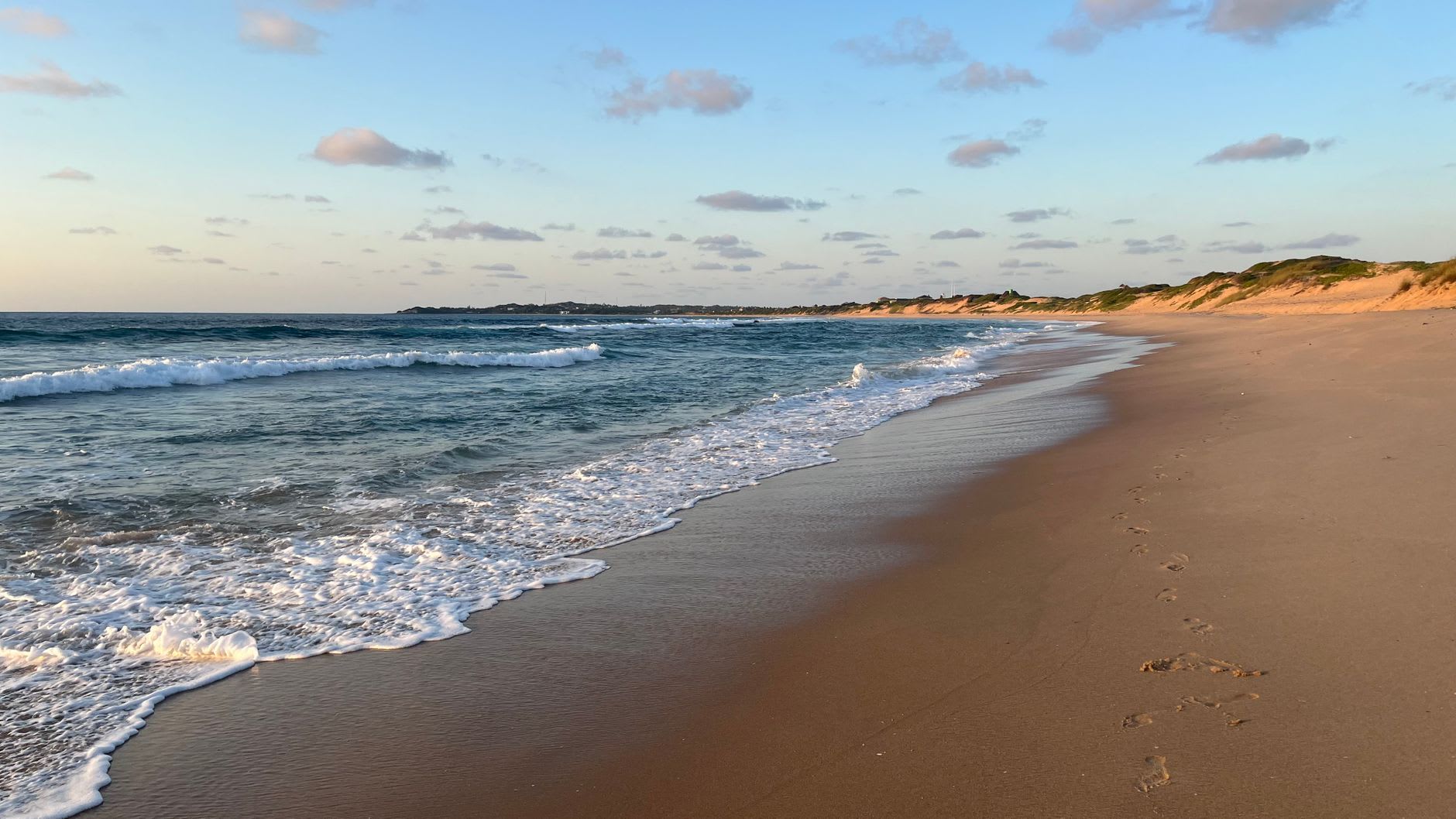
Bazaruto Island itself is stranger and more varied than the photographs suggest. Its interior holds two freshwater lakes — a geological improbability in the middle of the Indian Ocean — where flamingos gather in the early morning in sufficient numbers that the pink of them is visible from some distance. Dunes rise along the eastern shore, the Indian Ocean side, where the surf runs heavy and the beach is entirely deserted for kilometers. The contrast between the wild surf coast and the glassy lagoon side is the kind of thing you can spend a whole day simply walking between.
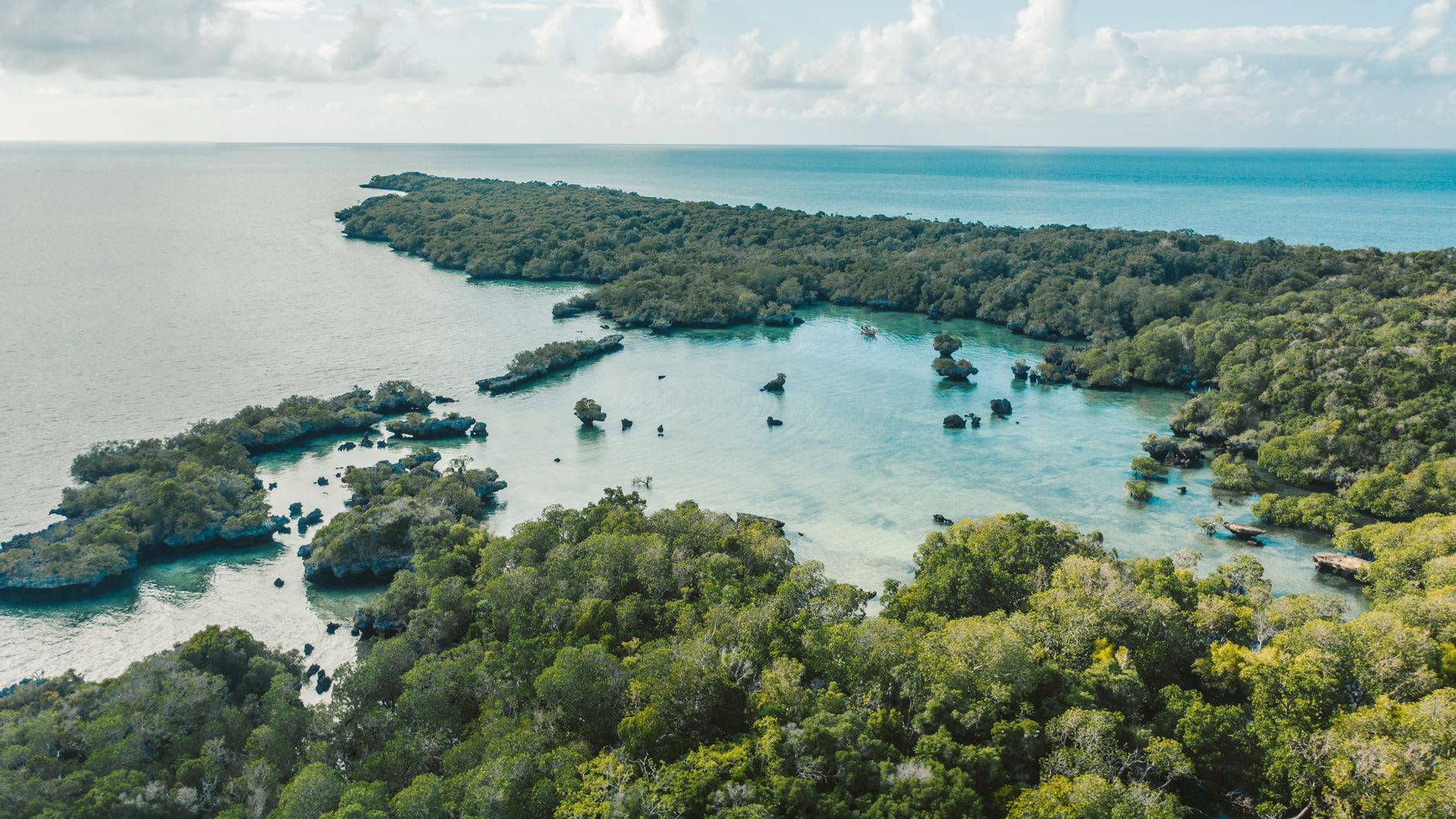
The archipelago has four main islands — Bazaruto, Benguerra, Magaruque, and Santa Carolina — each with its own character, though the distinctions are perhaps most useful to the sort of person who researches islands in spreadsheets. What they share is the reef, the bird life, and the quality of silence that descends after the day boats have gone back. The lodge prices at the high end are extraordinary, but the experience they are selling is simply access to something that costs nothing to look at. The water is free. The dugong don’t charge admission. The sunset over the lagoon on the last evening, the whole surface going from silver to orange to a deep rose I don’t have a precise word for, was available to everyone who happened to be there.
When to go: May through October for flat, clear water and the best visibility. August and September bring peak whale shark and manta ray sightings in the channel between the archipelago and the mainland. Avoid January through March — cyclone season makes small-plane access unreliable and the water visibility poor.