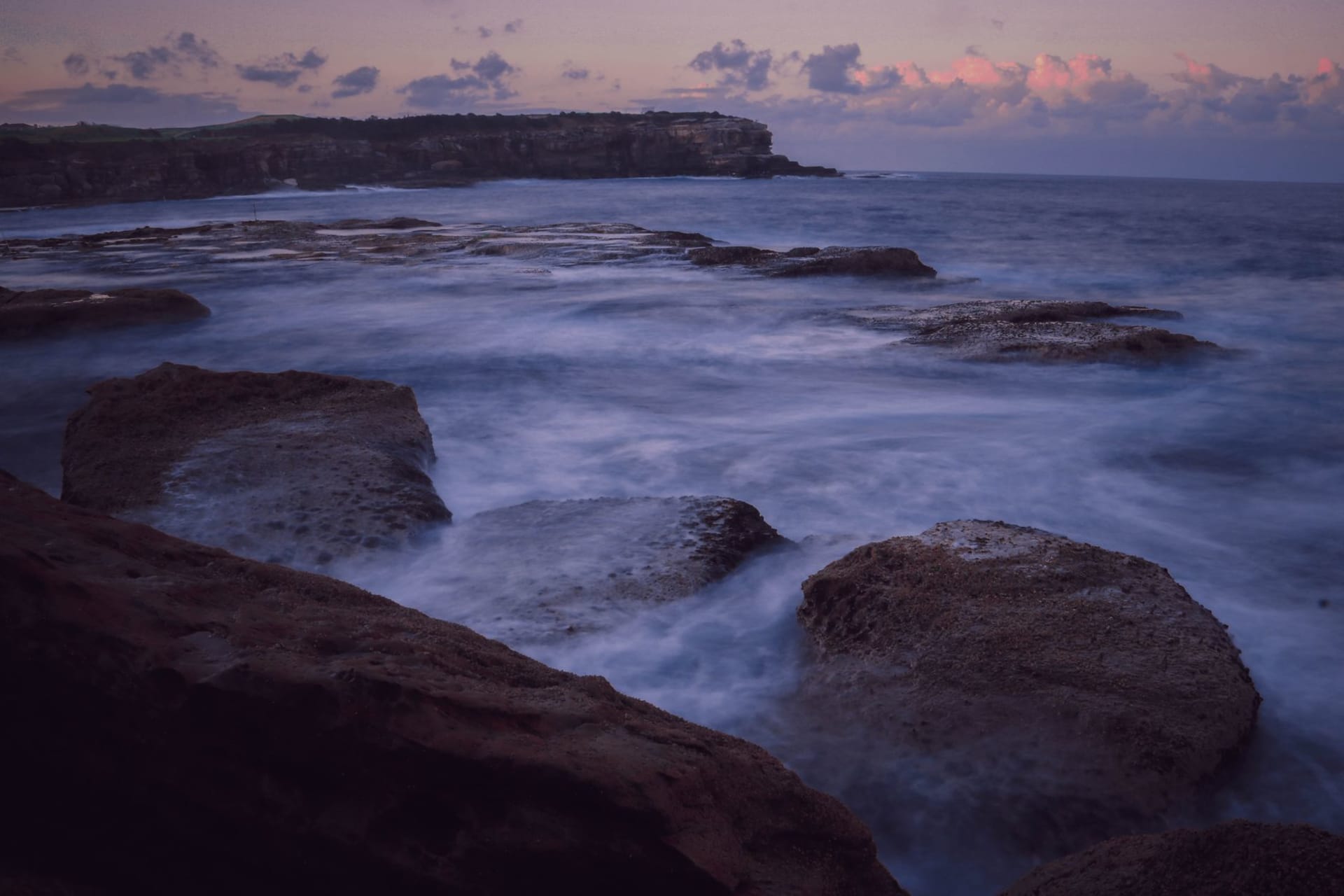
Little Bay
"The construction noise here sounds less like disruption and more like stubbornness."
The ferry from Antigua arrives at a new pier with new railings and new paint, still slightly bright in the way that new things are on islands where most things have been weathered into softness. The bay is shaped like a horseshoe — a protected curve of dark-green water overlooked by a hillside where buildings in various states of completion catch the light. Some have their roofs. Some have the roofs but not the windows. One has the windows and the sign and an open door but I am not sure anyone is inside. Little Bay is a capital city assembling itself in public, and there is something both awkward and genuinely moving about watching it happen.
Plymouth was abandoned between 1995 and 1997, and for years after that the island had no proper capital — government operated from temporary structures in Salem and Brades, and the question of where Montserrat’s future would be physically located remained unresolved. Little Bay on the northwest coast was chosen as the site of the new town: a natural harbour, protected from the worst Atlantic weather, with flat land around the waterfront and hillside behind for the expansion that optimists expected would come. Construction has been slow. It is funded by British development aid, organized by committees, slowed by the challenges of building anything on a small island with limited materials, and interrupted periodically by the volcano reminding everyone why they are building here in the first place.
What Little Bay is, right now, is a particular kind of place that very few places get to be: genuinely in the process of becoming. The road along the waterfront is wide and smooth and largely empty. A few shops have opened, their signs handpainted or freshly laser-cut, still operating on the optimism of early days. There is a rum shop at the edge of the small commercial strip where the afternoon light comes in sideways and a ceiling fan moves the air and the television carries cricket from wherever cricket is being played that week. I sat there for an hour and two men argued pleasantly about the batting order and nobody asked me what I was doing or offered me a tour. That is the other thing about Little Bay: it has the unhurried quality of a place that is not yet trying to perform itself for visitors.
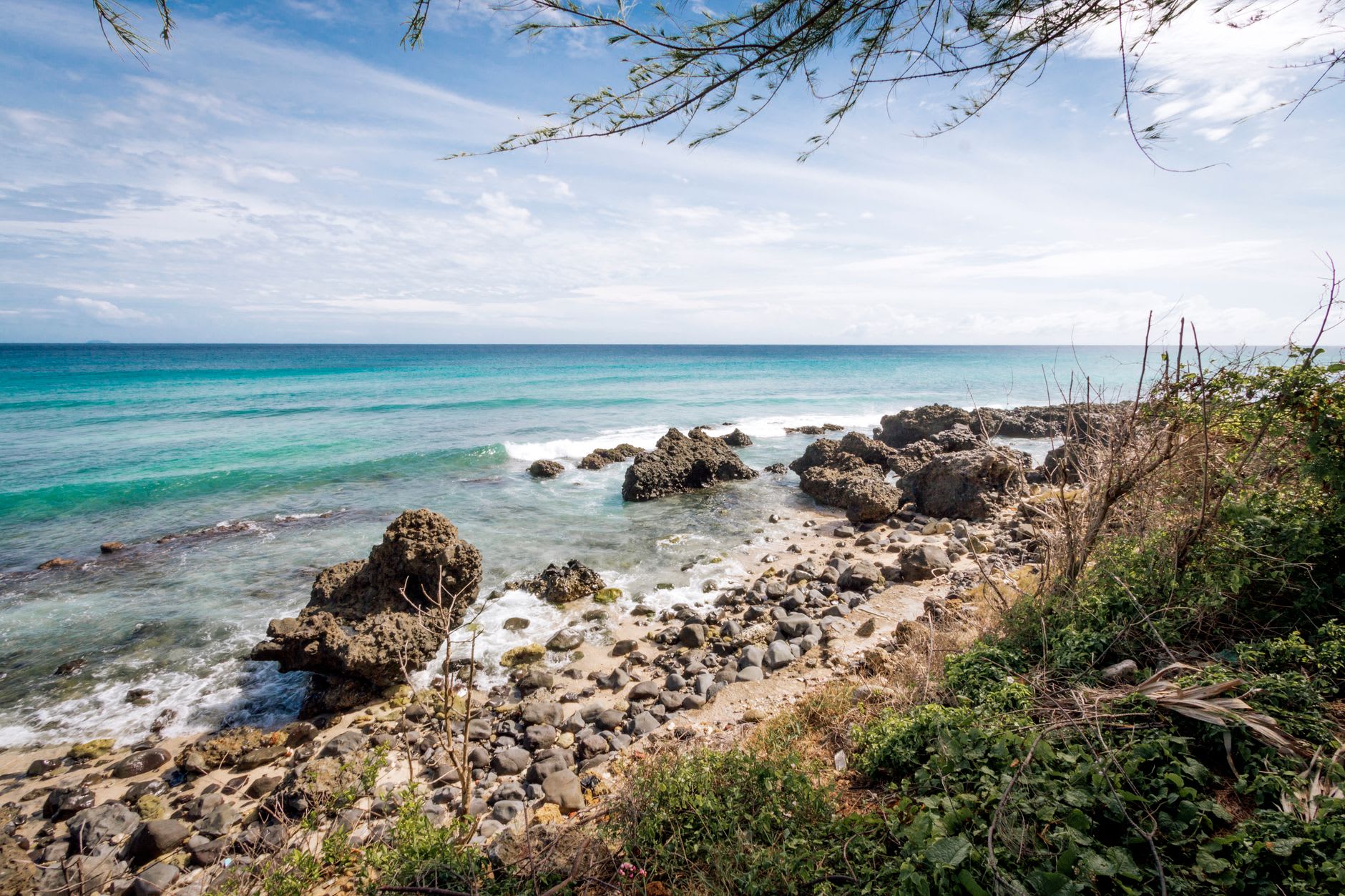
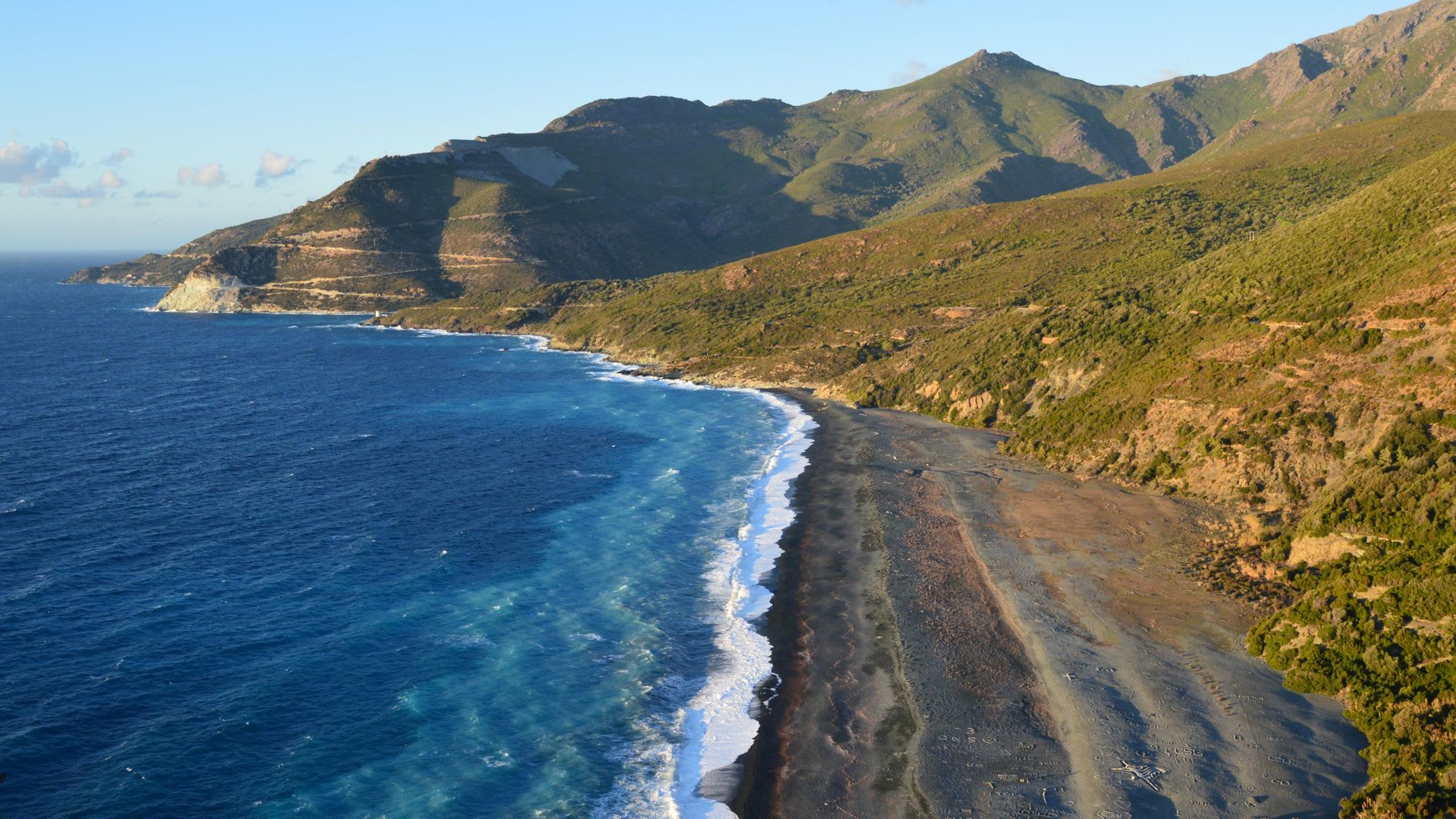
The bay itself is swimmable and calm — the dark green water shading to turquoise in the shallows, with the forested hills above the new buildings framing the view toward the west. In the evenings, a handful of people walk the waterfront road, the construction sounds stop, and the place settles into a quiet that feels less like absence than like patience. You eat at one of the cook shops near the pier and order whatever they are making, which will involve goat or chicken or fish, peppers, provisions, and the seasoning pepper that Montserrat grows and uses in everything, fruity and aromatic without the Scotch bonnet’s heat.
It would be easy to come to Little Bay and feel disappointed that it is not more finished, more polished, more obviously a place. That would be the wrong way to see it. Little Bay is interesting precisely because it is mid-sentence — a whole society deciding, slowly and collectively, where to put itself. The four thousand people who chose to stay on this island after the volcano are not a tragic remnant. They are the people building a town.
When to go: Little Bay is the main point of arrival by ferry from Antigua and functions as a base year-round. The waterfront is most animated on weekends when market stalls set up near the pier. The dry season (December through April) keeps the hillside paths accessible and the bay clear for swimming.