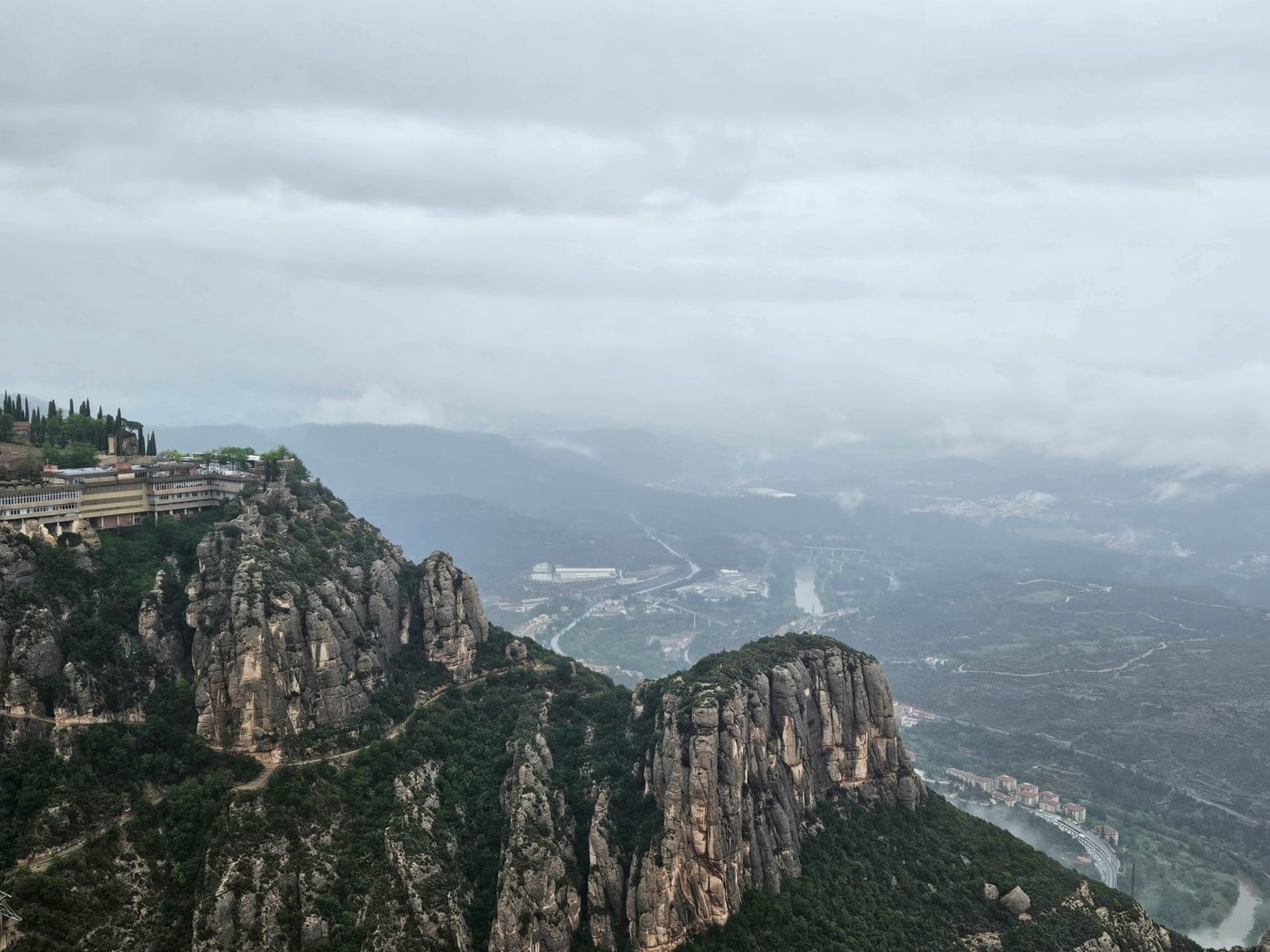
Centre Hills
"Somewhere in that canopy, a bird sings that exists in no other forest in the world."
I started the trail before dawn, when the forest was still operating on its own time — the full-throated singing of tree frogs giving way to birdsong as the light arrived in horizontal bands through the canopy. The trail from the northeast edge of the Centre Hills reserve climbs steadily, and within ten minutes of leaving the road the island below disappears completely. You are inside something different: mahogany and tree ferns, the drip and tick of condensation from the leaves overhead, a smell of damp earth and something fungal and sweet underneath. The volcano and the buried capital might as well be on a different island. Up here, the forest has been going on a long time and has no particular interest in the news.
Centre Hills is the last substantial area of primary montane forest on Montserrat, and it is a protected reserve not by accident but because of what it harbours. The Montserrat oriole — a small, brilliantly marked bird, the male in jet black and deep amber — exists nowhere else on earth. The eruption of Soufrière Hills in 1995 damaged oriole habitat in the south and pushed the species further into these hills, and conservation programmes have been monitoring and protecting the population here ever since. To see one is not guaranteed. The birdsong in Centre Hills is dense and competitive and the oriole’s call is specific — a series of clear, rising notes — and you have to know it to recognise it. My guide whistled the call twice and then pointed into a tree thirty metres up and I watched for a long moment before the movement resolved into a bird, then into a black-and-amber bird, then into the specific bird I had come this far to see.
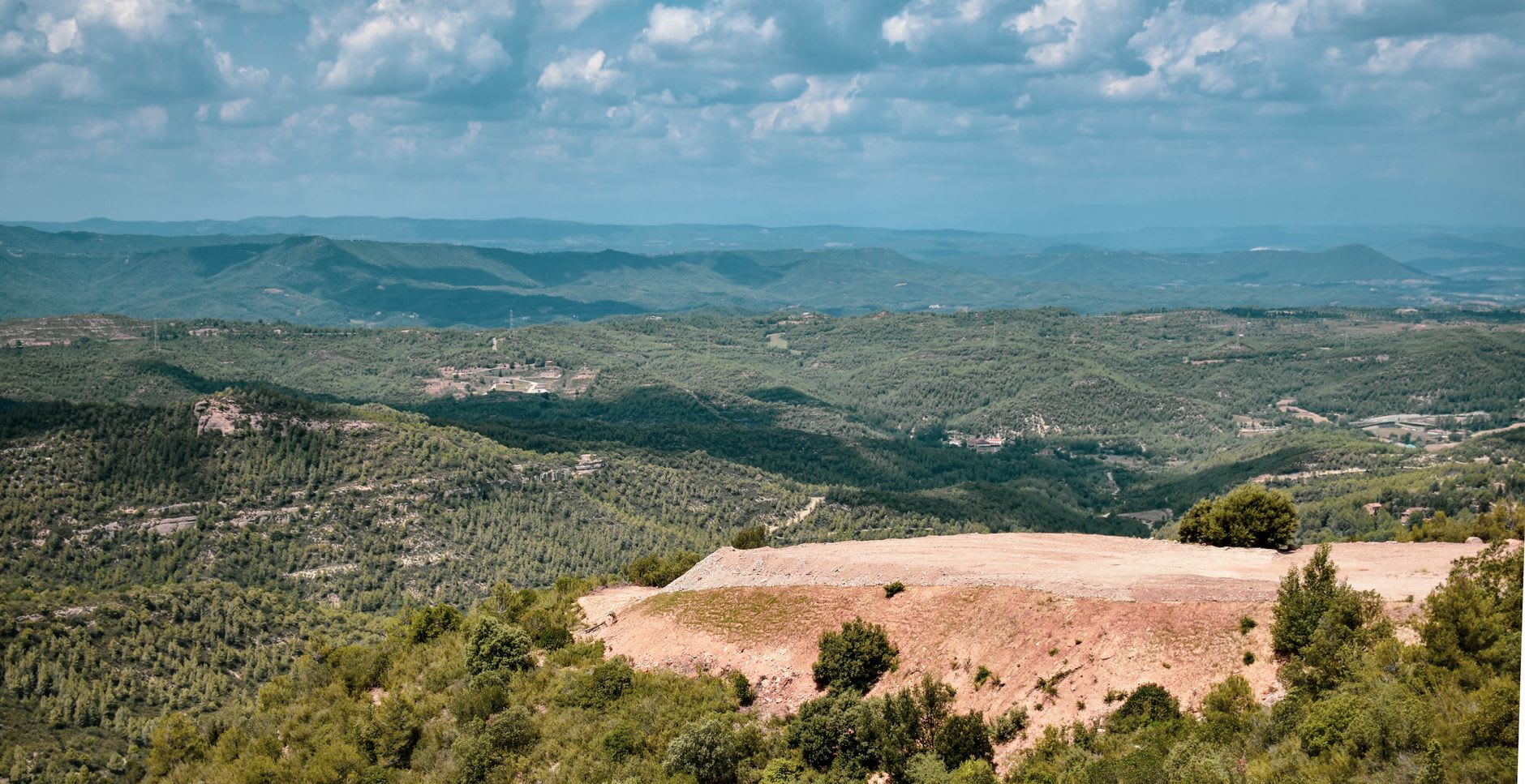
The oriole is not the only reason to be here, though it is the most famous one. Centre Hills is home to the mountain chicken — actually a large frog, Leptodactylus fallax, found only on Montserrat and Dominica, and critically endangered — as well as the Antillean crested hummingbird, the purple-throated carib, and various bats that emerge from caves on the reserve’s eastern face at dusk in numbers impressive enough to stop you mid-sentence. The forest itself is the attraction in the most fundamental sense: a closed-canopy system on an island where so much has been changed by geology and evacuation, offering something simply old and self-sustaining.
There is also a practical reason the forest matters beyond ecology. Centre Hills acts as the island’s water catchment, feeding the streams and springs that supply Montserrat’s four thousand residents. The trees here are not decoration. They are infrastructure. The Montserrat government and various conservation NGOs have understood this and protected the hills accordingly, which means the trails are maintained and guided hikes can be arranged through the tourist board in Little Bay.

I came down the trail in mid-morning with muddy boots and a list of eight bird species I had not had on my list before and the particular satisfied tiredness of someone who has been paying very close attention for three hours. At the road the taxi driver who had dropped me was still there, drinking something from a thermos. He asked if I had seen the oriole. When I said yes, he nodded as if this outcome had never been in doubt.
When to go: The dry season (December through April) makes the trails easier, but the rainforest is at its most atmospheric during the wetter months, when mist sits in the canopy and birdsong carries further. The oriole is present year-round. Start early — by 9am the forest heat builds and the birds quiet down.