Carr's Bay
"The fish was on a boat two hours before it was on my plate. Some menus don't need to say more than that."
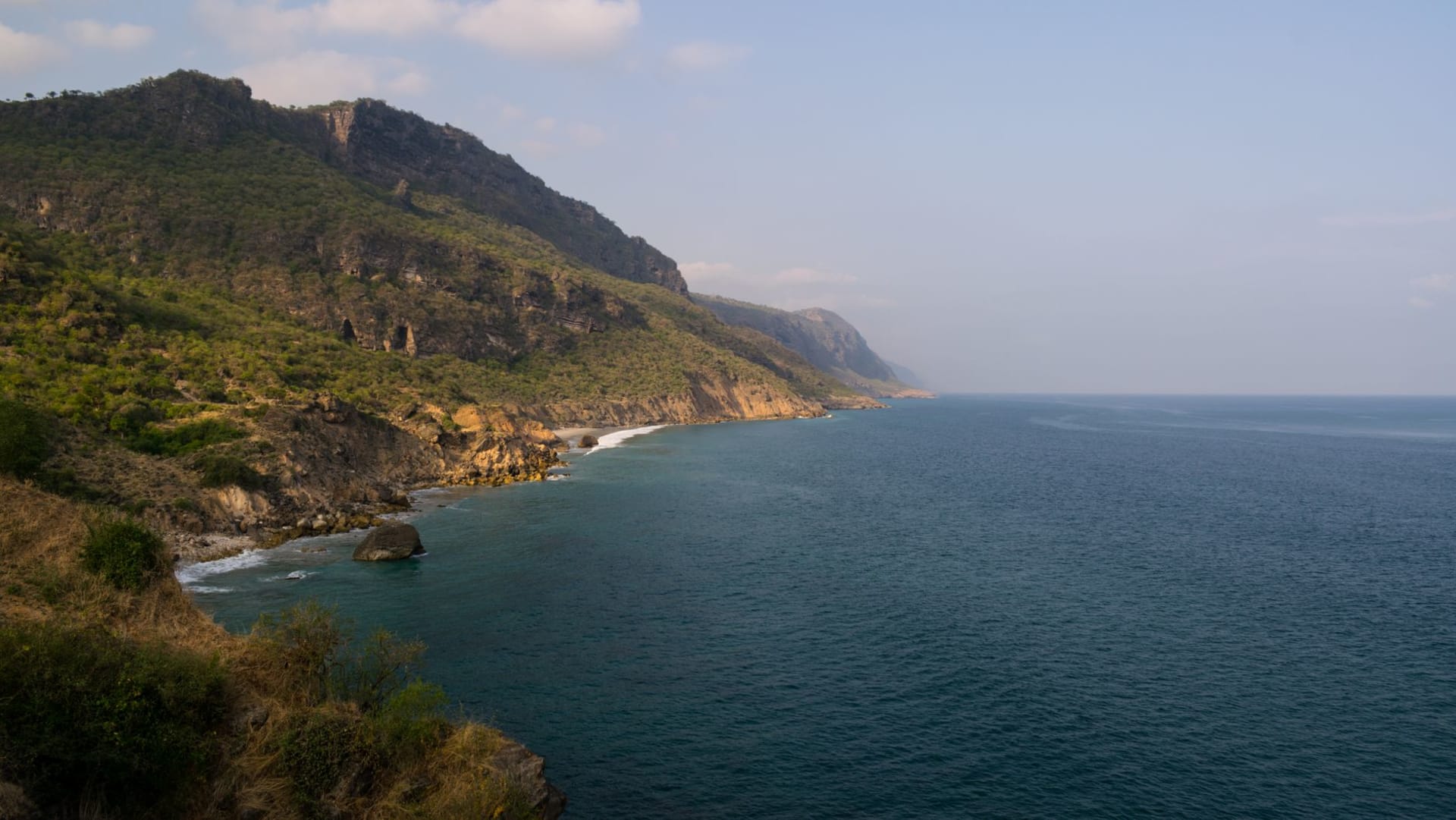
I arrived at Carr’s Bay at the wrong time in the right way — mid-afternoon, when the day’s catch had already come in and been cleaned and the boats were sitting quiet in the calm water and the bay had the stillness of a place between acts. A man was repainting the hull of a boat in a blue so bright it hurt to look at directly. Two children were fishing from the small pier with hand lines and no apparent urgency. The water in the bay is sheltered and clear, and on the beach — a narrow crescent of dark sand and smooth stones — someone had left a pair of flip-flops above the tide line with the confidence of a person who knows nobody is going to take them.
Carr’s Bay is one of the working fishing communities on Montserrat’s west coast, and the boats that go out from here each morning bring back whatever the Caribbean delivers — mahi-mahi, snapper, wahoo, flying fish, lobster when the season allows. The fishing tradition on this island predates the tourism infrastructure by a long margin and continues more or less indifferent to it. The boats are brightly coloured and maintained with the specific care that working equipment demands, and the men who run them know the waters around Montserrat in the tactile way of people who have been navigating the same coastline since childhood.

The cook shops near the bay are the reason to come for food. There is no fixed menu board, or if there is it hasn’t changed in years and functions more as a statement of identity than a list of options. You ask what they have, which will involve whatever came off the boats that morning, cooked in a manner that involves Montserrat’s seasoning pepper — that fruity, aromatic cousin of the Scotch bonnet that the island grows and uses in everything, adding depth without the kind of heat that erases the other flavours. Fish is typically fried or stewed, served with rice and peas and provisions — the root vegetables that underpin West Indian eating — and eaten at a plastic table that wobbles slightly on uneven ground while the bay glitters in the afternoon light ten metres away.
I had a plate of stewed snapper at a cook shop I found by following a smell down a track off the main road. The fish was tender enough to lift from the bone with the lightest pressure, and the sauce carried the pepper and a note of thyme and something else I couldn’t name, and I ate the whole thing and used the bread to clean the plate. The woman who ran the place was watching a Brazilian soap opera on a small television mounted near the ceiling and laughed at something without explaining what. The whole scene felt like eating inside someone’s actual day, which is the best compliment I can give a place to eat.

Carr’s Bay is also a reasonable snorkelling spot — the west coast of Montserrat has sheltered reef sections where the coral is patchy but the fish life is good, particularly in the shallower areas around the bay’s natural rock formations. Bring your own gear; there is no equipment rental at the bay, which is not an oversight but simply a reflection of a place that is a working bay, not a tourism node.
When to go: The fishing boats are out early and return in the morning and early afternoon — the best time to see the catch and have the freshest food is late morning, when you can watch the boats return and the cook shops are preparing lunch. The dry season (December through April) gives the calmest water for swimming and snorkelling.