Kolašin
"I came for one night and stayed three. The cheese had something to do with it."
There is a cheese in Kolašin called Kolašinski sir — a young sheep’s cheese, soft in the center, with a pale rind that develops over a few days and a flavor that is grassy and slightly sharp in the way that only cold-climate mountain milk can produce. I bought a portion from a woman at the market on my second morning and ate half of it that afternoon with bread and cured pork from the mountains above the town, sitting outside my guesthouse with a view of pine forest. This is perhaps not the most dramatic thing that happens in Kolašin, but it is the thing I think about.
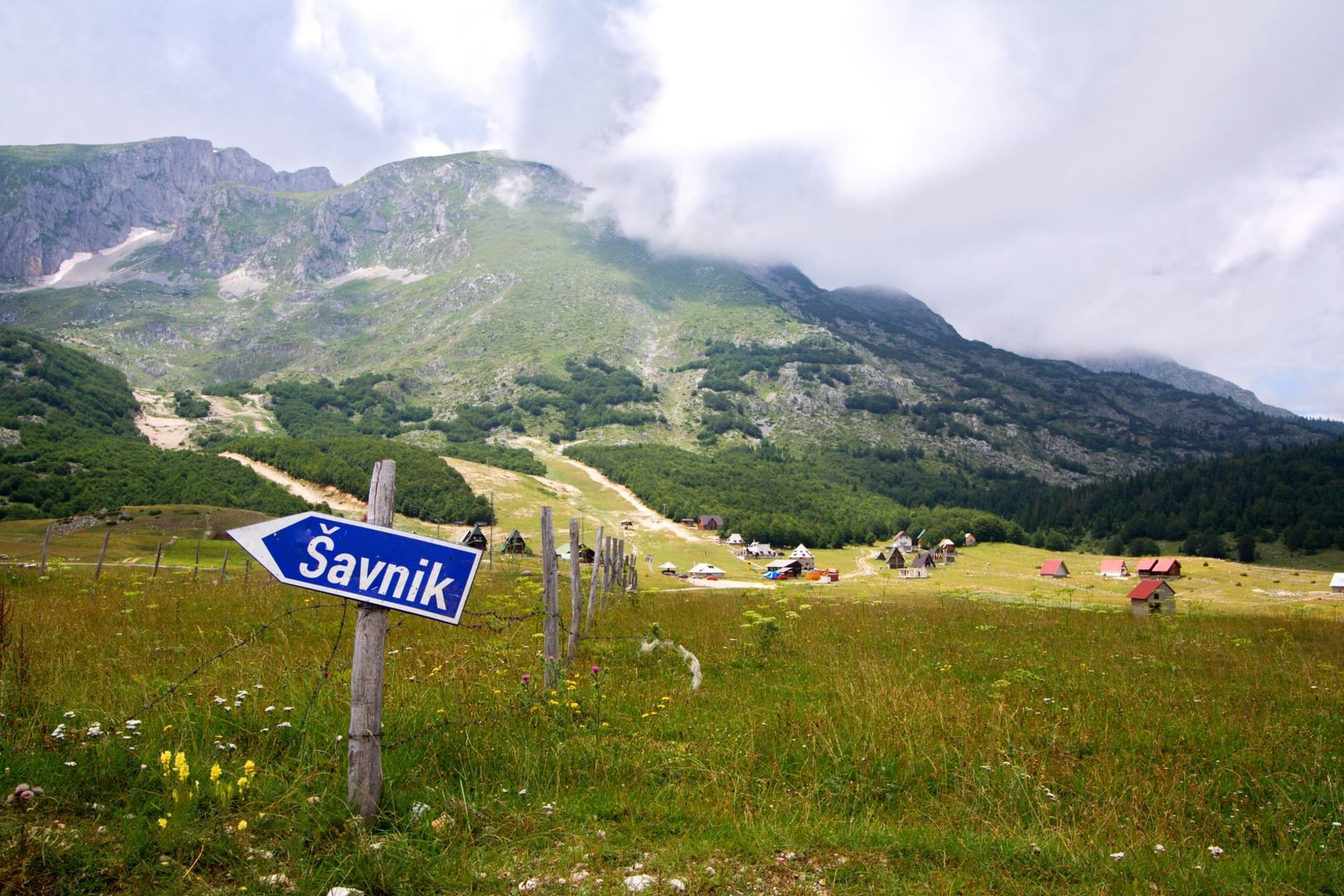
Kolašin sits at 960 meters in the Bjelasica mountain range, roughly an hour and a half from the coast by road through passes that I was told get spectacular in winter and merely beautiful in summer. The town itself is a base-camp kind of place — small enough to walk end to end in twenty minutes, organized around a central square with the inevitable statue and the entirely necessary cafés, with guesthouses and small hotels fanning out into the surrounding pine. In winter this is Montenegro’s main ski resort; in summer it becomes a hiking base, the slopes still green, the trails descending from ridgelines that top out above two thousand meters.

I hiked through the Biogradska Gora National Park on my second day — an old-growth forest that has been protected since the nineteenth century, one of the last primeval forests remaining in Europe. The trees are enormous and old in a way that changes the quality of the air under them; there’s a humidity and a particular smell, a mixture of moss and decomposing wood and something I can only describe as temporal, the smell of time accumulated in wood. Biogradsko Lake at the center of the park is glacial, green-black, surrounded by trees that lean over the water. I arrived just after a rain and had it entirely to myself for an hour. I ate the rest of my cheese sitting on a rock at the shore.
The restaurant situation in Kolašin is better than a town its size has any right to. There’s a place near the main square that does slow-braised lamb in a clay pot called a sač — the pot buried in embers and left for several hours — and serves it with roasted vegetables and rough red wine that seems to grow more correct as the evening progresses. The owner sits at the bar arguing quietly with a friend about something I didn’t understand. The lamb falls off the bone.

When to go: June through September for hiking and the national park. January through March for skiing, with Kolašin 1450 and Kolašin 1600 giving access to reasonable runs and an authentic mountain atmosphere that hasn’t been fully packaged. September is my preference — the light is lower and more golden, the trails are dry, and the guesthouses have room. Biogradska Gora is also excellent in October when the old-growth canopy turns and the forest floor is covered in color.