Europe
Montenegro
"Montenegro made me feel like I'd arrived somewhere real, before real became too late."
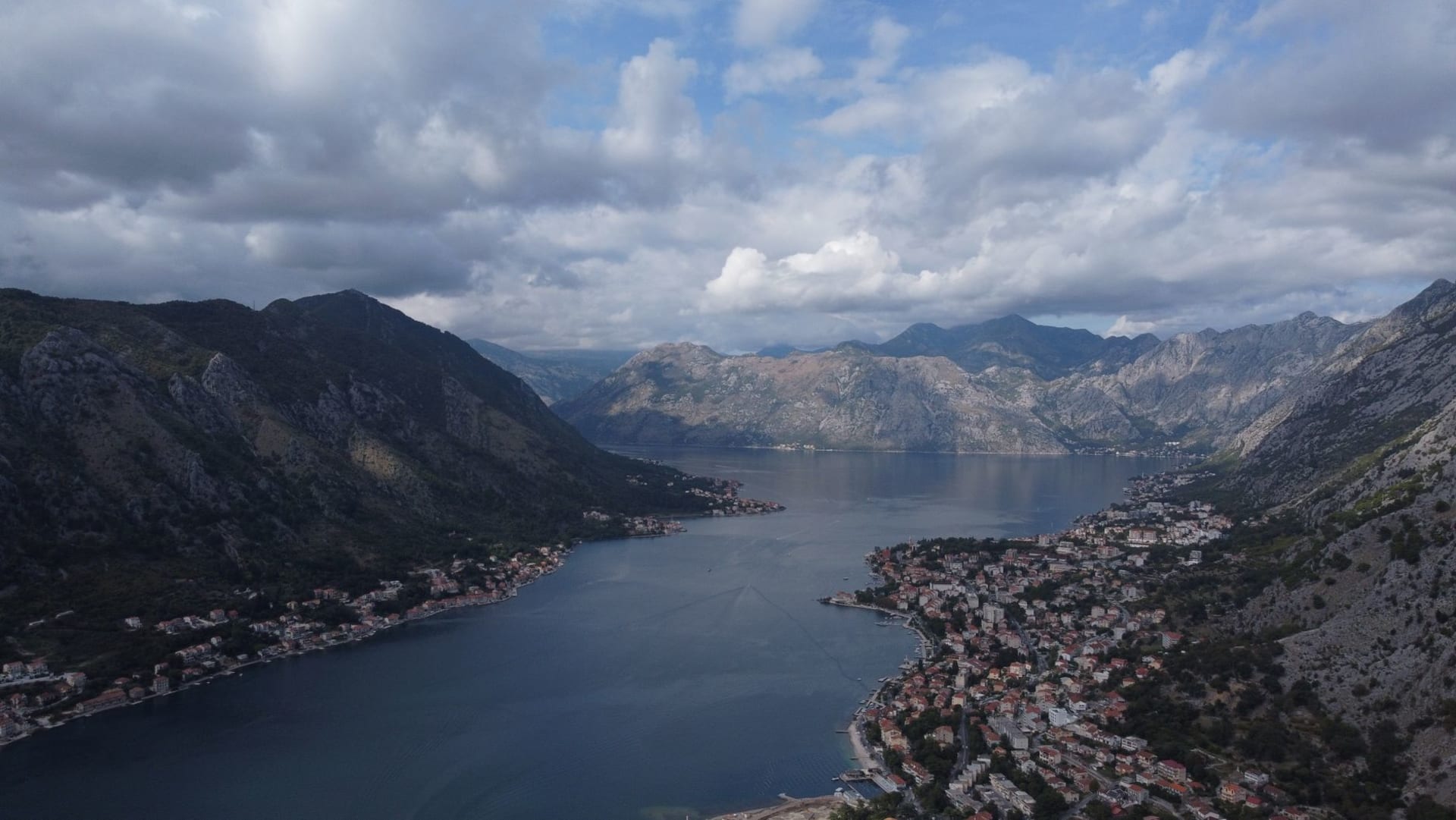
I arrived in Kotor on a September morning when the bay was flat and silver, the mountains still draped in low cloud. The medieval walls climb directly up the cliff behind town in a way that feels architecturally reckless — a thousand steps of worn stone zigzagging to a fortress that surveys the entire fjord. I made the climb before breakfast, which is the only way to do it. By the time I descended, the cruise ship passengers had arrived and the old town’s narrow lanes had become a slow-moving river of selfie sticks. That ninety-minute window — the bay in silence, the walls empty, the bakery on the main square selling burek still warm from the oven — is what Montenegro actually is, before it becomes what tourism is making it.
The country is disorienting in the best way. The coast — Budva, Perast, the Rose peninsula — is unmistakably Adriatic, baroque churches and Venetian stone work and that particular shade of flat blue water that makes you want to sit and do nothing productive. But drive forty minutes inland and Montenegro becomes something else entirely. Cetinje, the old royal capital, feels stranded in a dignified half-sleep, its embassies and monasteries outnumbering the cafés. The Tara River canyon is deeper than the Grand Canyon by some measurements — walking its forested rim in the morning mist, I heard nothing except water far below. Lake Skadar, shared with Albania, has reed beds full of pelicans and a shoreline of drowsy fishing villages where the grilled carp comes with bread someone made that morning. Montenegro packs a preposterous amount of variety into its geography.
The food surprised me. I expected generic Balkan grill culture and found instead smoked pršut from the mountains, young sheep’s cheese, Montenegrin red wine from Plantaže that holds its own with a proper dinner, and a coastal kitchen that knows what to do with the sea. In Kotor, I ate sardines at a place with four tables and no menu — you ate what they had, which was the right approach. In Kolašin, skiing infrastructure means good cheese shops and mountain restaurants serving slow-braised lamb. Montenegro is not a food destination in the way Portugal or Japan is, but it feeds you honestly.
When to go: May to mid-June or September to mid-October. The coast in July and August is legitimate chaos — cruise ships, beach clubs, prices that have no relationship to the local economy. September is the sweet spot: warm sea, cooled-down nights, and the particular quality of light that makes southern European stone glow gold in the late afternoon.
What most guides get wrong: They treat Montenegro as a budget Croatia alternative — cheaper Adriatic, same beaches. This undersells it completely. The interior is the real draw: Durmitor National Park, the Tara canyon, Prokletije near the Albanian border. Montenegro is a mountain country that happens to have a coast, not the other way around. The hikers who figured this out already know something the beach tourists don’t.