Cetinje
"Cetinje is a capital city that stopped being one and never quite decided what to do next."
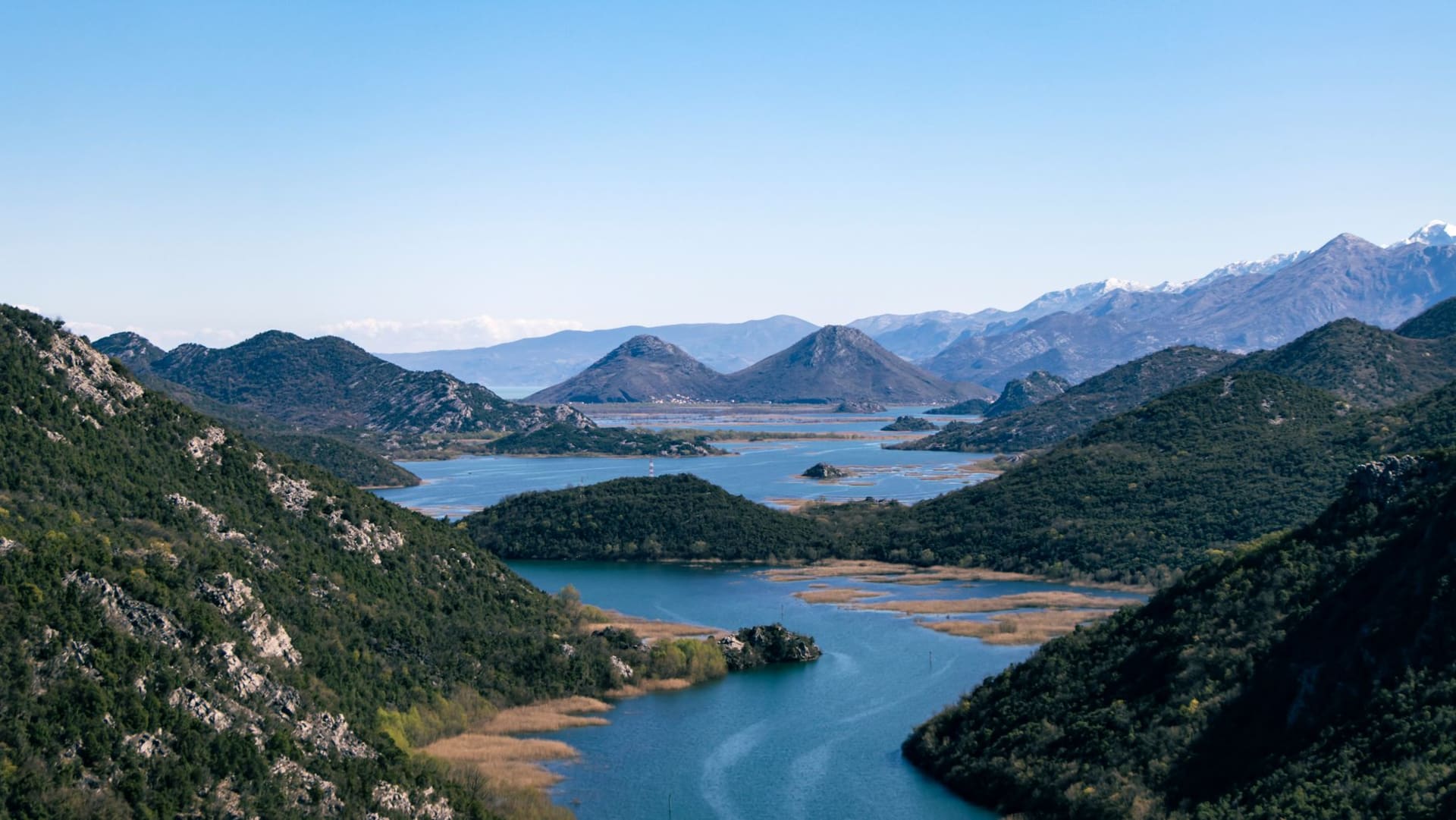
The road to Cetinje from Kotor climbs through the mountains by way of twenty-five switchbacks cut into the face of Mount Lovćen — each one revealing a different angle of the bay dropping away below until you crest the ridge and find, on the other side, a plateau that feels like the interior of Montenegro rather than its edge. The drive takes forty minutes and the landscape change is total. The Adriatic disappears. The air turns cooler. Cetinje appears at the end of a road lined with chestnut trees in full leaf.
It was the royal capital of the Kingdom of Montenegro until 1918, and that history is written on every street. The foreign powers built embassies here in the late nineteenth century when Montenegro was sovereign and the great powers were paying attention; the buildings remain, many of them now hosting small museums, their facades carrying the architectural stamps of whichever country they once represented. The French Embassy. The Russian Legation. The British Consulate. They sit on tree-shaded streets that are quiet now, the diplomatic intrigue replaced by pigeons and old men on benches who seem to have been there as long as the buildings.

The Cetinje Monastery holds a relic claimed to be the right hand of John the Baptist. I mention this not to be sensational but because the way it is housed — in a simple case in a small chapel, accessible to anyone who walks in — captures something about Cetinje’s relationship to its own weight. This is a place that contains remarkable things and seems uninterested in advertising them. The monastery courtyard has a silence that feels curated, as though the monks are actively generating it. I sat there for twenty minutes and heard nothing except a crow and, distantly, someone chopping wood.
The National Museum complex is spread across several buildings, including the old royal palace where the last king of Montenegro lived in rooms of modest proportion. His personal effects — uniforms, correspondence, a travel set in worn leather — are in glass cases. The scale of the palace is small by European royal standards, which felt honest somehow. Montenegro was always a mountain kingdom that punched above its weight, and its capital reflects that — grand ambition in modest dimensions.

There is a café on the main square that has been there long enough that the chairs have conformed to their occupants. I had coffee and a piece of something sweet I couldn’t identify and watched the morning pass at its own pace. The waiter brought the bill without being asked and then forgot it on the table for another half hour.
When to go: Cetinje is a year-round destination since it’s not coast-dependent, but spring and autumn are best. In summer it offers relief from the coastal crush. April brings the chestnut blossoms and a particular melancholy that suits the city’s atmosphere. Winter has a cold dignity — the Lovćen peaks above sometimes carry snow well into May, and the empty boulevards have a grandeur they lose in tourist season.