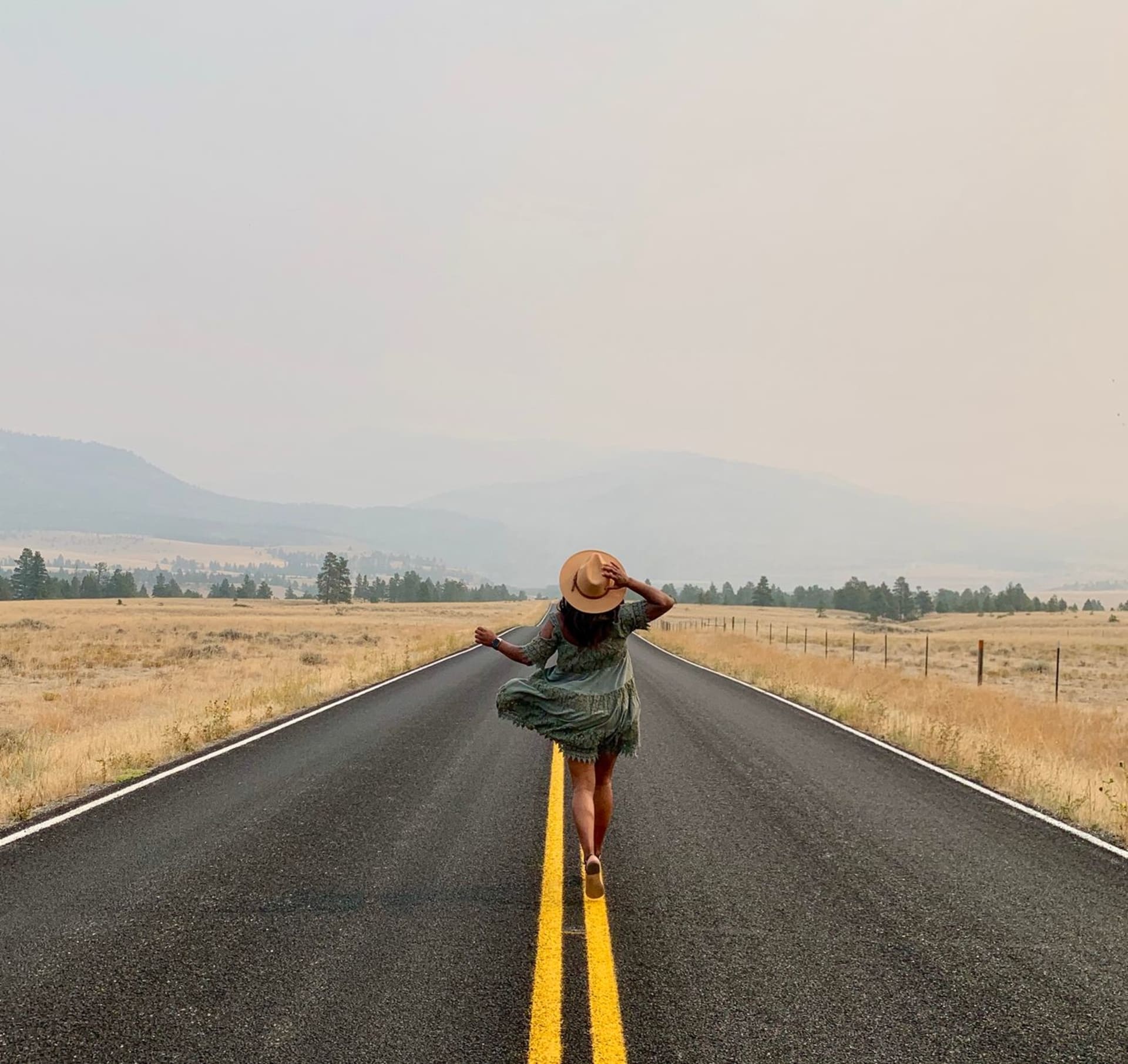
Missoula
"Missoula is the kind of town where the bookshop and the bait shop are equally serious about what they do."
My first morning in Missoula I walked down to the Clark Fork River before seven and watched a man in waders casting into the current below the Rattlesnake bridge while pigeons settled on the iron railing above him. The river runs right through the middle of town, green and cold and surprisingly clear for a river in a city, and the trail along its bank is where Missoula takes its pulse — runners, cyclists, dog walkers, a woman reading on a bench in the October cold, steam rising off her coffee.
Missoula is a university town and carries the particular energy that comes from that: independent bookshops that stock Richard Hugo alongside new Montana fiction, coffee roasters who take their sourcing seriously, a music venue in an old theater where the local bands play to rooms of people who actually listen. The University of Montana sits on the southern bank of the Clark Fork and feeds the town’s appetite for literature and argument and secondhand clothing shops.

The food here surprised me. I’d expected functional mountain cooking — burgers, biscuits, adequate pie — and found instead a restaurant scene that has quietly developed into something more complex. Plonk, the wine bar downtown, pours natural wines from a list that would not embarrass a good Paris cave à manger. The Oxford Saloon, which has been open since 1883 and serves brains and eggs at any hour, represents the other tradition with equal conviction. Both are necessary. The farmers market on Saturday mornings runs through much of the summer in the heart of downtown, and what comes out of the Bitterroot Valley thirty kilometers south — heirloom tomatoes, garlic that has been cured until the skins are papery gold, fresh herbs in quantities that suggest serious gardening — is genuinely excellent.
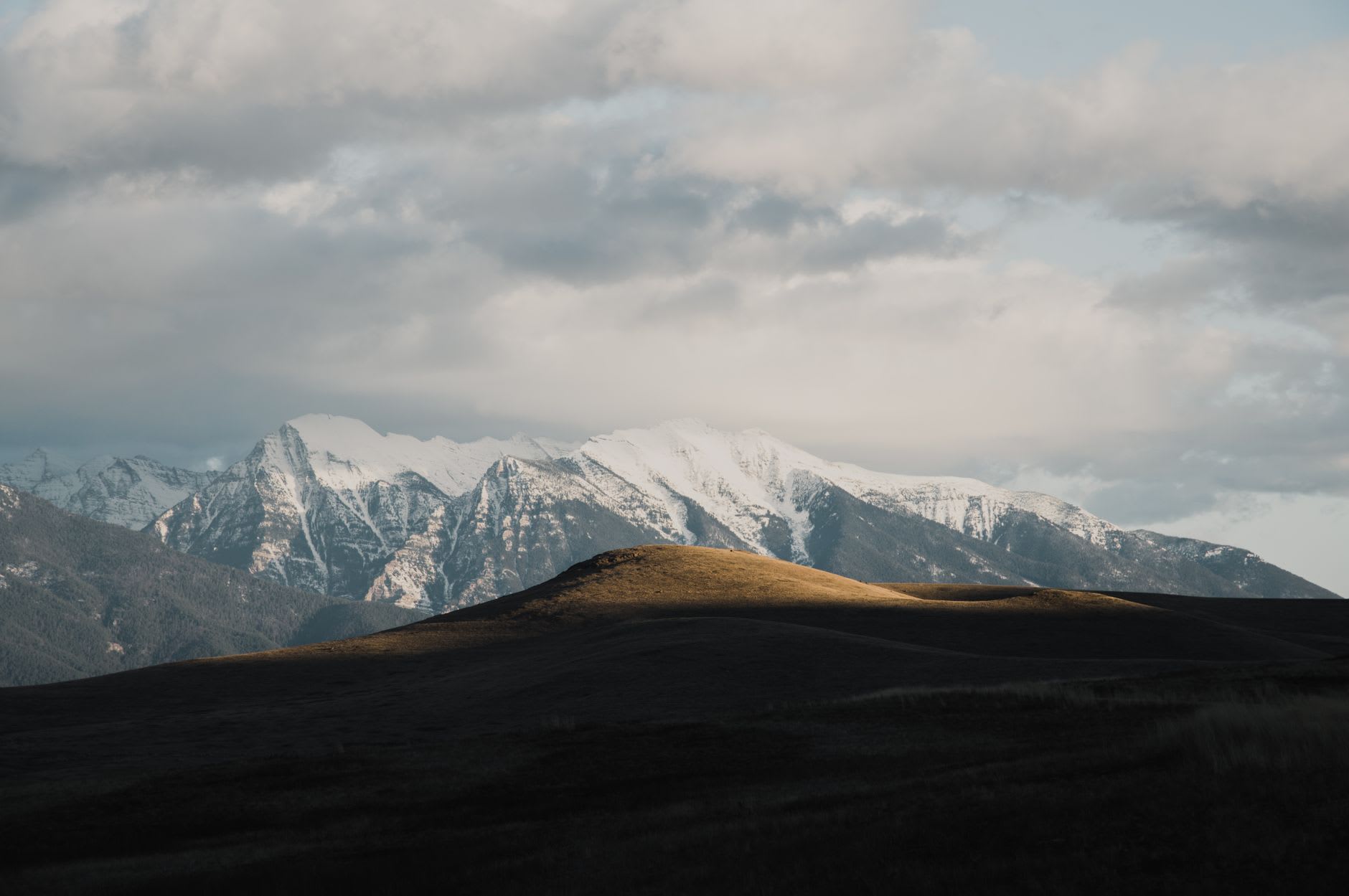
Above the university, Mount Sentinel rises sharply enough that you can hike to its summit in forty minutes and look back down at the whole Clark Fork Valley — the river’s bend, the hills to the north, the Rattlesnake Wilderness beginning just at the city’s edge. I climbed it in late afternoon and sat at the top while the light went orange across the valley and the town below arranged itself into something almost pastoral. It’s rare to have that kind of perspective on a city while still being inside it.
Missoula has an outsize literary history: Norman Maclean lived here, Richard Hugo taught at the university for years, and the Montana writing tradition — nature-inflected, precise, often heartbreaking — feels genuinely present in the town rather than merely commemorated. The independent bookshop Fact & Fiction on Higgins Avenue has the quality of a shop that believes books matter, which is not as common as it should be.
The Rattlesnake Wilderness, which begins within the city limits at the top of Rattlesnake Creek, offers trail running and hiking that requires no drive at all. The creek is clean enough to drink from, the trail runs through old-growth ponderosa pine, and in September the bears are moving through eating serviceberries, which means you might encounter one within minutes of leaving a sidewalk.
When to go: June through September for warm weather and full farmers market season. October is spectacular — cottonwoods turn yellow along the Clark Fork, the university is in full session, and the town feels most like itself. Winters are cold but manageable, and the skiing at nearby Discovery Basin and Snowbowl keeps the town functional through February.