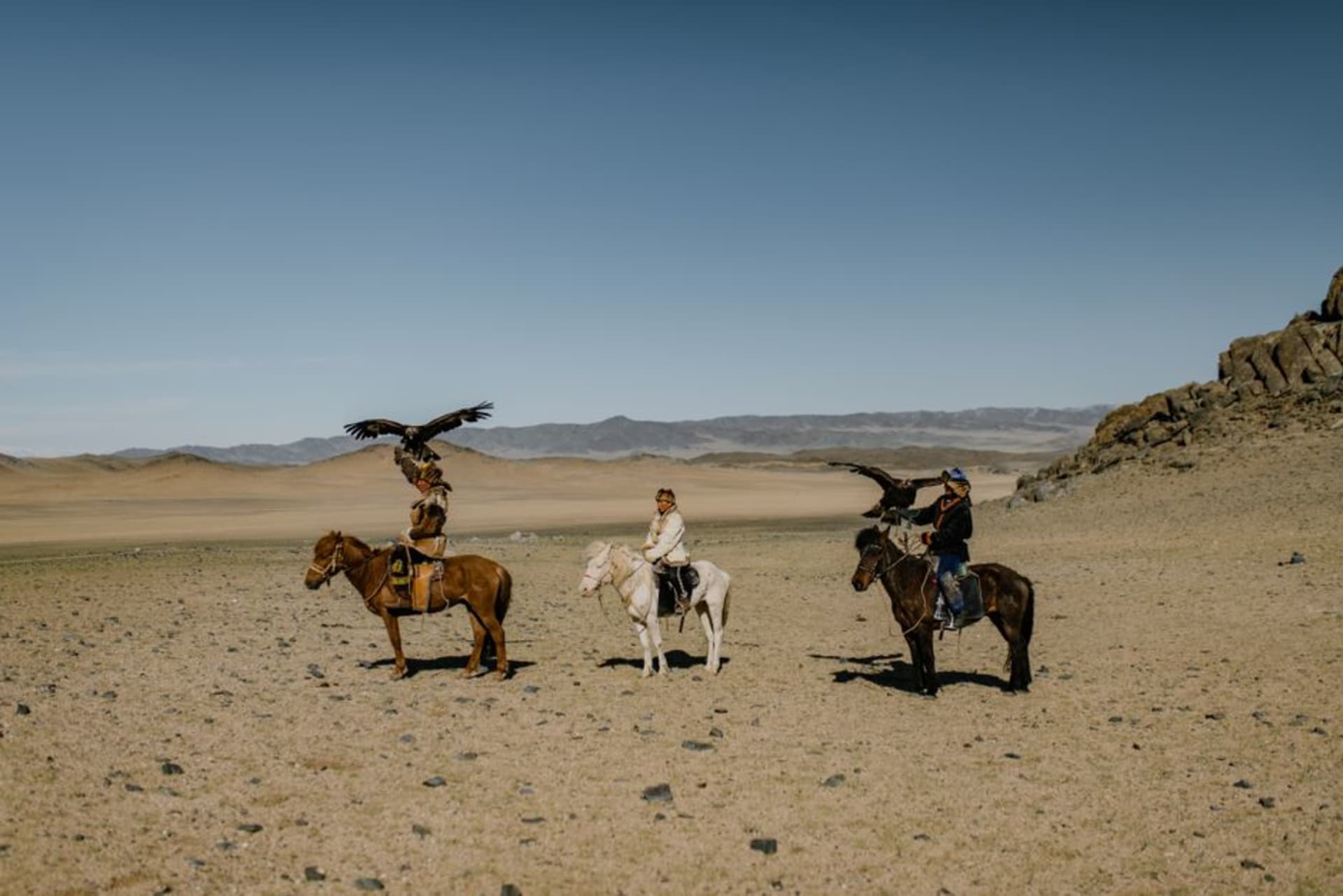
Yolyn Am (Eagle Valley)
"Someone told me there was ice in the middle of the Gobi Desert. I didn't believe them until I was standing on it in July."
A narrow limestone gorge in the middle of the Gobi where ice survives into summer and lammergeiers ride the thermals overhead like they own the place.
The premise of Yolyn Am sounds like a joke told by someone who has never been to the Gobi: a gorge, deep in one of the driest and hottest deserts on earth, that holds ice through most of the summer. I’d heard the claim from three separate people before I finally saw it for myself, walking up the canyon floor in early July with the sun doing exactly what you’d expect Gobi sun to do, and reaching, after about forty minutes, a stretch of the gorge floor that was unmistakably, absurdly, a river of solid ice, fed by meltwater that the deep, north-facing walls of the canyon keep shadowed almost year-round.
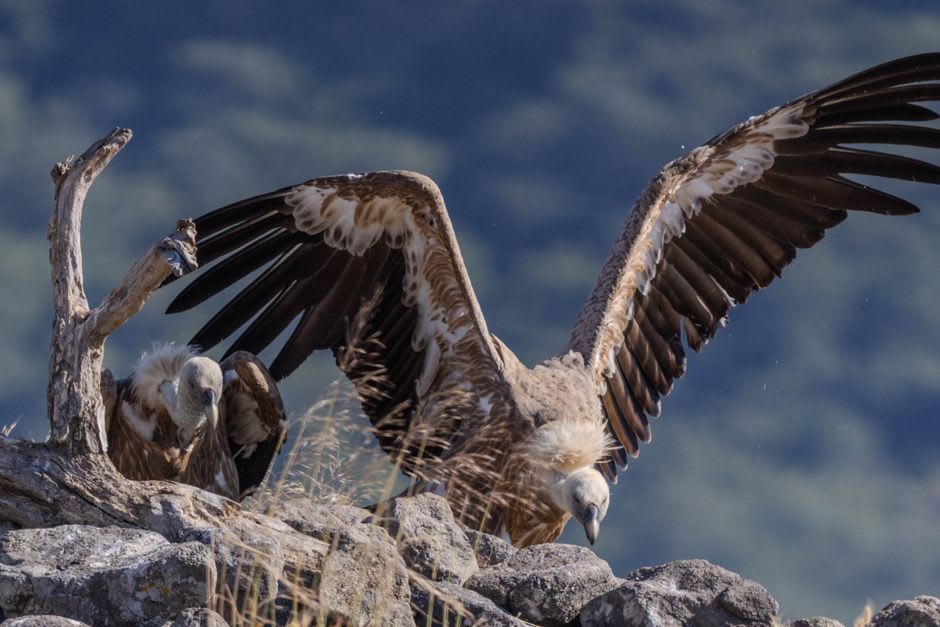
The valley sits within the Gobi Gurvansaikhan National Park, part of the Zuun Saikhan mountain range, and its name — Yolyn Am, or Vulture Valley — comes from the lammergeiers, or bearded vultures, that nest in the cliffs and were once common enough here to define the place. I saw two on my visit, riding the thermals above the canyon rim with the kind of unhurried confidence that only apex scavengers seem to manage, occasionally dropping altitude to inspect something on the canyon floor before rising again without a single visible wingbeat.
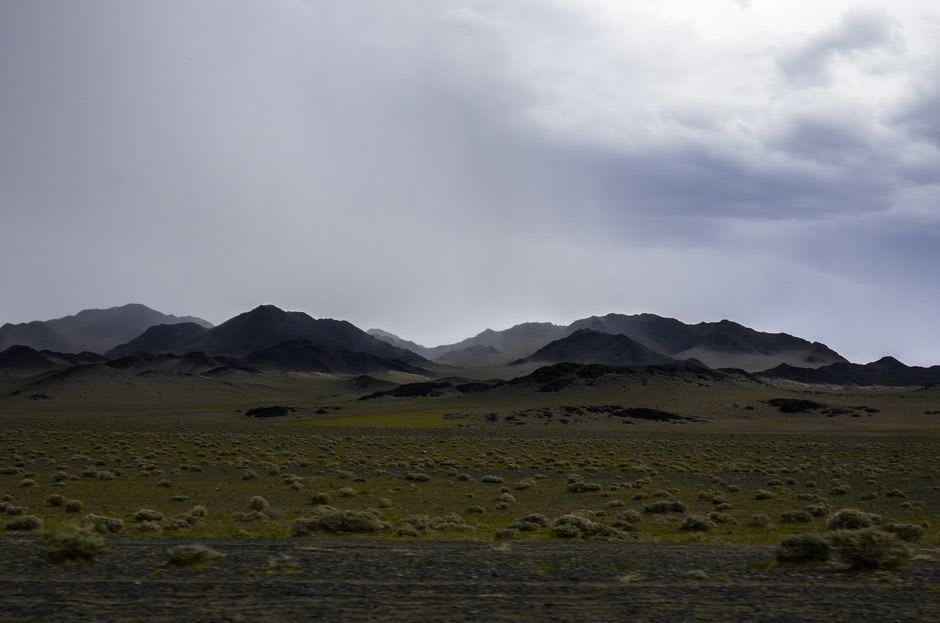
The gorge narrows dramatically as you walk deeper in — at its tightest point the walls close to a few meters apart and rise almost vertically on both sides, turning what started as an open desert hike into something closer to a passage through rock, cool air pooling in the shade and the sound of your own footsteps suddenly loud against the stone. My guide, a wiry man named Baatar who’d grown up in a ger camp visible from the park entrance, told me the ice used to extend much further into summer when he was a boy — sometimes all the way to August — and now rarely lasts past July. He said it without much editorializing, just stated it as a fact about the way things had changed, the way you’d mention that a river had shifted its course.
Beyond the ice and the canyon walls, the valley supports a small population of Siberian ibex, visible if you’re patient and look up at the rock ledges rather than down at the trail, and pikas that dart between boulders with a speed that makes photographing them mostly an exercise in humility. The visitor museum near the entrance houses an oddly compelling taxidermy collection of the park’s wildlife, snow leopard included, useful context before or after the walk even if the dioramas themselves feel like they’re from another era entirely.
I left the gorge in the early afternoon heat, walking back out into full Gobi sun after an hour in shadowed cool air thick enough to see your breath, and the transition felt like walking between two different countries separated by about four hundred meters. That, more than the ice itself, is what makes Yolyn Am worth the detour — not the novelty of frozen water in a desert, but the sheer range of conditions the Gobi turns out to contain within a single afternoon’s walk.
When to go: June for the best chance of substantial ice still on the canyon floor. Early morning starts avoid the worst of the midday heat on the approach walk. The park is accessible May through October; outside those months, roads into the Gurvansaikhan range become unreliable.