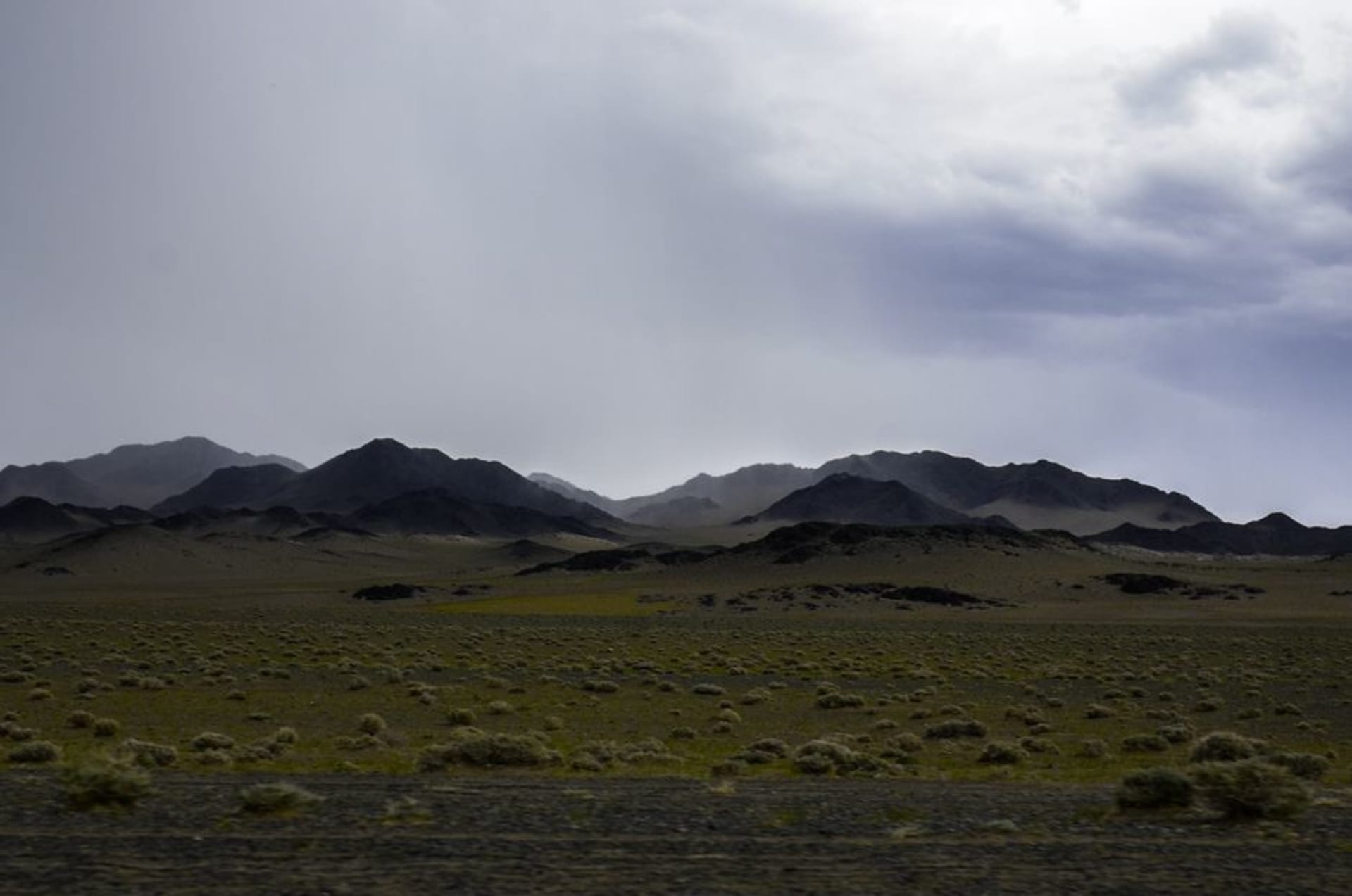
Uvs Nuur Basin
"I stood on a lakeshore that was also a desert, backed by mountains, and thought the map must have made a mistake. It hadn't."
Mongolia's largest lake, salty and shallow and ringed by a UNESCO-listed basin that stacks desert, steppe, and snowy peaks into one improbable panorama.
Uvs Nuur is the largest lake in Mongolia by surface area, and almost nobody outside western Mongolia or a small circle of ornithologists seems to know it exists. That obscurity is part of what pulled me there — I’d read that the basin surrounding the lake had been designated a UNESCO Biosphere Reserve for containing an implausible range of ecosystems within a single watershed, and I wanted to see whether “implausible” was earning its keep as an adjective or just doing its usual job of overselling a spreadsheet entry.
It was earning it. The basin sits in the far northwest of the country, straddling the border with Russia’s Tuva Republic, and within a single day’s drive around its edges I passed through true sand desert dunes, dry steppe grassland thick with saiga antelope tracks, wetland reed beds loud with birds, and foothills that climbed toward permanently snow-capped peaks visible on the horizon in every direction. The lake itself is saline, shallow, and a strange grey-blue that shifts with the light and the wind, undrinkable but teeming with brine shrimp that in turn support one of the more significant bird migration stopovers in Central Asia.
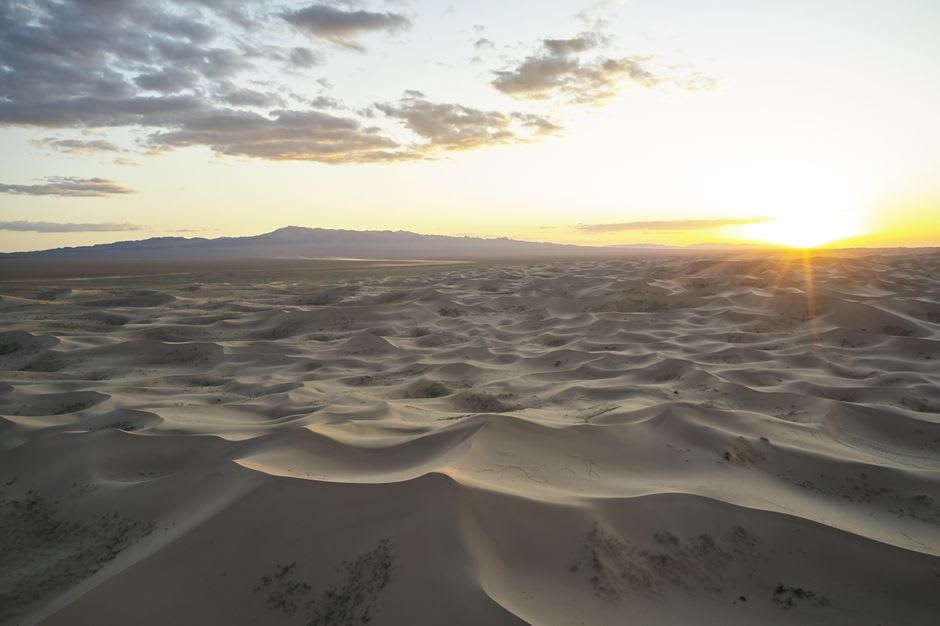
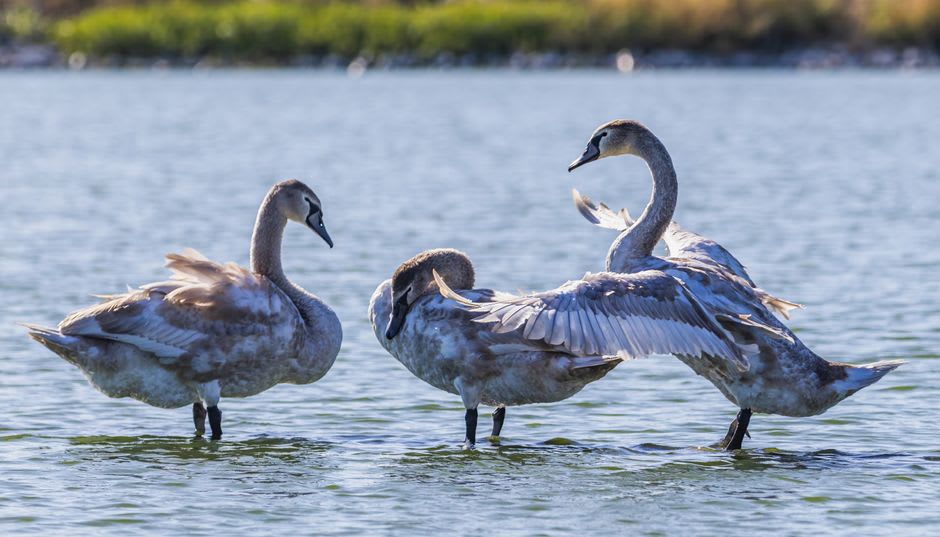
I spent a morning at the lake’s southeastern shore with a local ranger from the strictly protected area’s small administration office, a quiet man named Erdene who’d worked there for over a decade and could identify birds from silhouettes alone, at distances I could barely register as birds rather than specks. We watched a mixed flock of demoiselle cranes and bar-headed geese lift off the water in a single motion, hundreds of birds rearranging themselves into a loose formation before settling again a few hundred meters down the shore, and Erdene talked, unprompted, about the basin’s odd status as a place where four different biomes touch without transition zones — desert running directly into wetland running directly into steppe, none of the gradual blending you’d expect.
The nearest town of any size, Ulaangom, sits at the western edge of the basin and functions mostly as a supply point rather than a destination, though its market is worth an hour if only for the range of goods that filter in from the nearby Russian and Kazakh borders — a different mix of faces and languages than I’d encountered anywhere else in Mongolia, evidence of how genuinely remote and cross-cultural this corner of the country is.
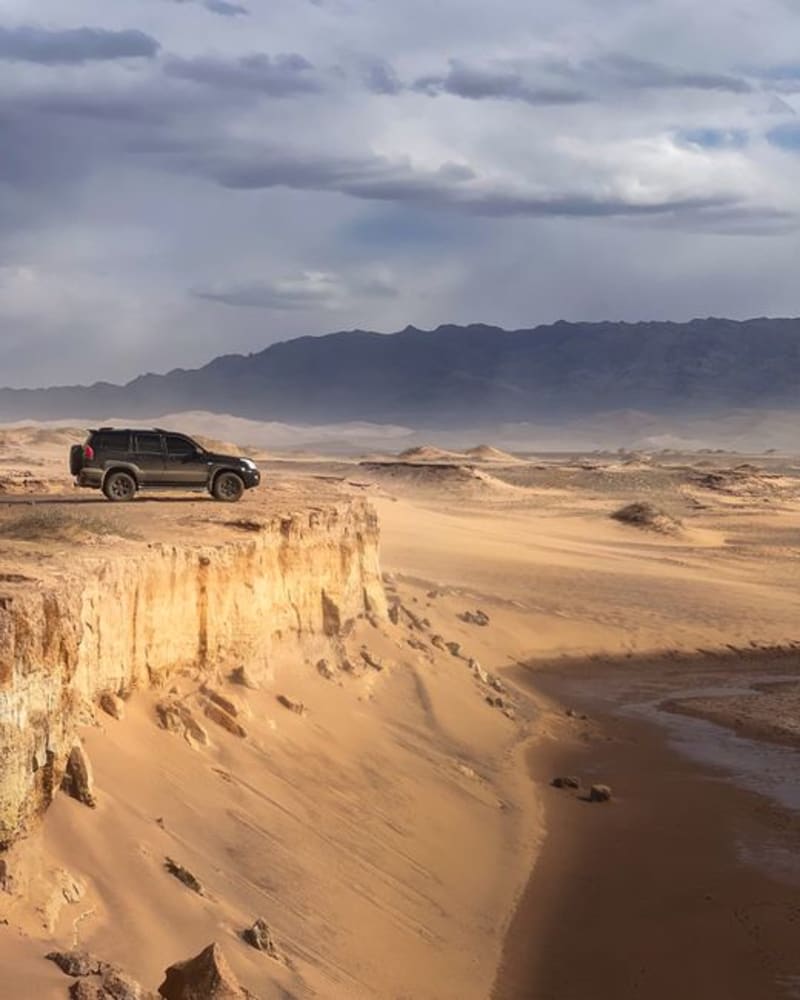
Getting to Uvs Nuur takes real effort — it is, by any measure, one of the harder-to-reach corners of an already hard-to-reach country — and I won’t pretend that effort is trivial. But the basin rewards it precisely because so few people bother: an ecosystem collision this dramatic, this compressed, this undocumented by tour operators, is increasingly rare anywhere on earth.
When to go: May and June for peak bird migration and the desert-steppe wildflower bloom. September brings clearer skies and the first snow on the surrounding peaks. Winters are severe and roads become unreliable; this is a warm-season destination only.
Keep exploring
More from Mongolia
 mongolia
 Yolyn Am (Eagle Valley)
A narrow limestone gorge in the middle of the Gobi where ice survives into summer and lammergeiers ride the thermals overhead like they own the place.
Explore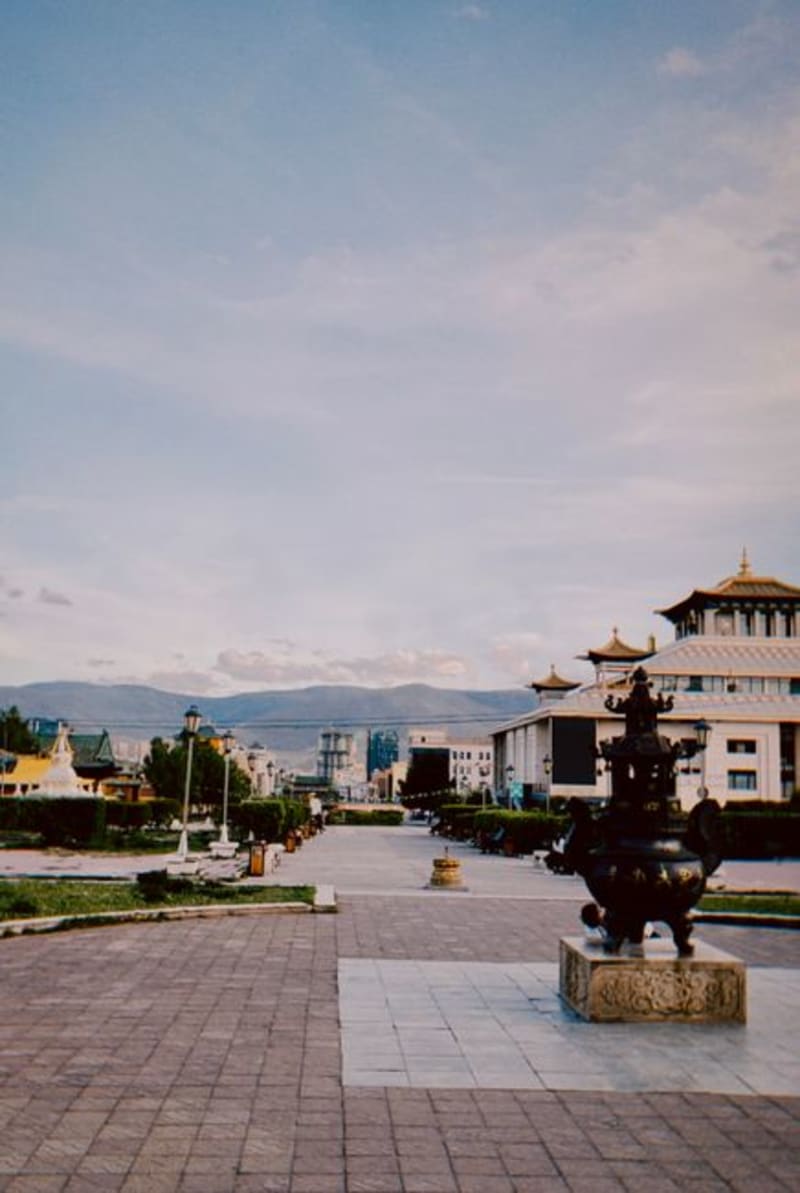 mongolia
 Amarbayasgalant Monastery
One of Mongolia's three great monasteries, tucked into a forested valley in Selenge province and left largely intact when so much of the country's Buddhist heritage was destroyed.
Explore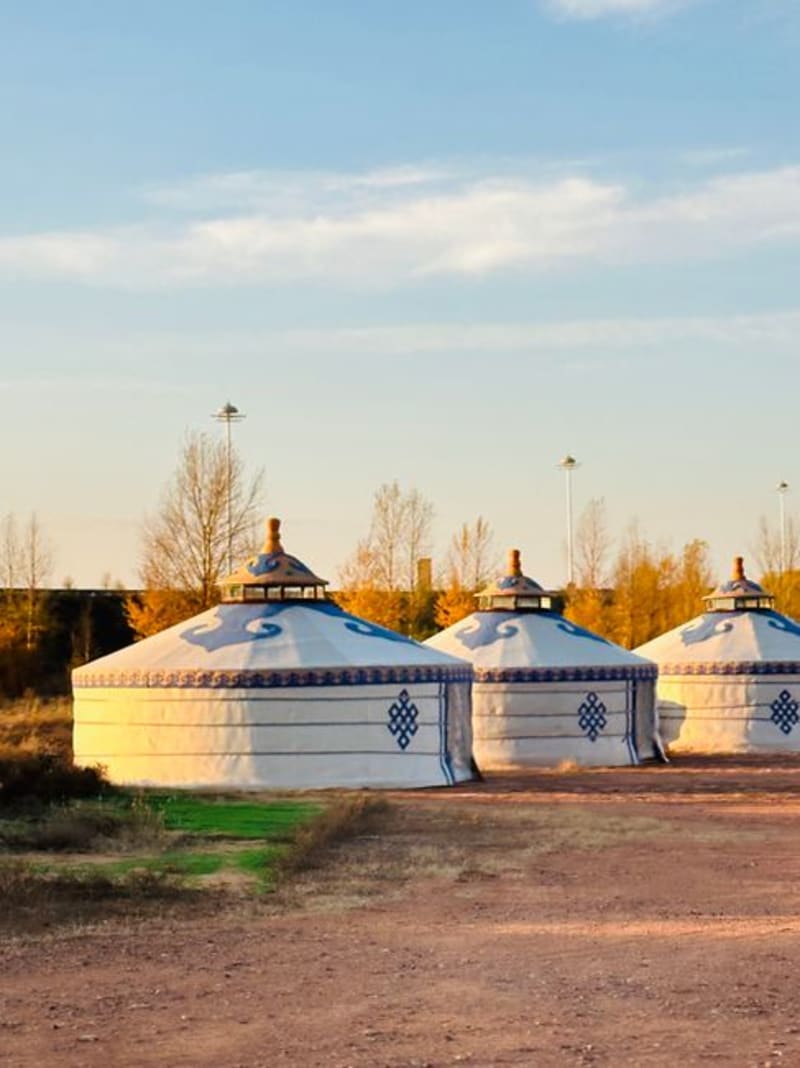 mongolia
 Arvaikheer
A working provincial capital in central Mongolia where livestock trading defines daily life more than any single monument, and the steppe stretches uninterrupted in every direction.
Explore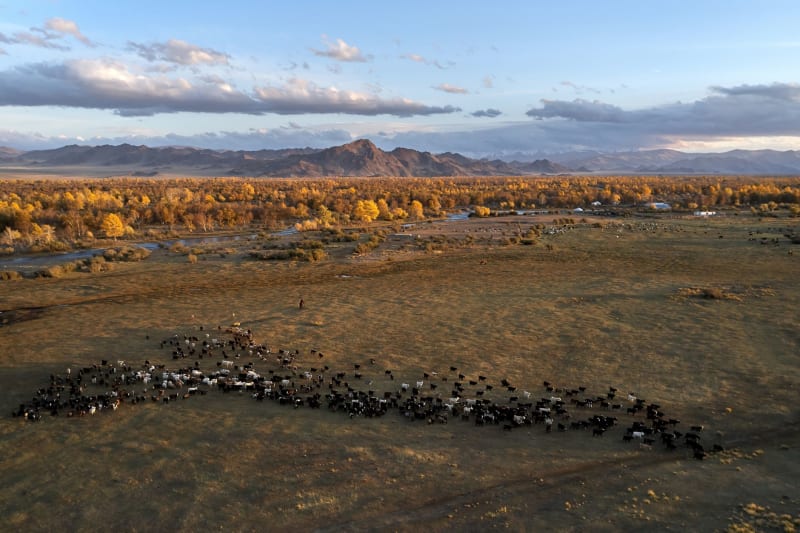 mongolia
 Bayan-Ölgii
Mongolia's far western province where Kazakh culture, eagle hunting, and snow-capped Altai peaks make you feel you've crossed into a different country entirely.
Explore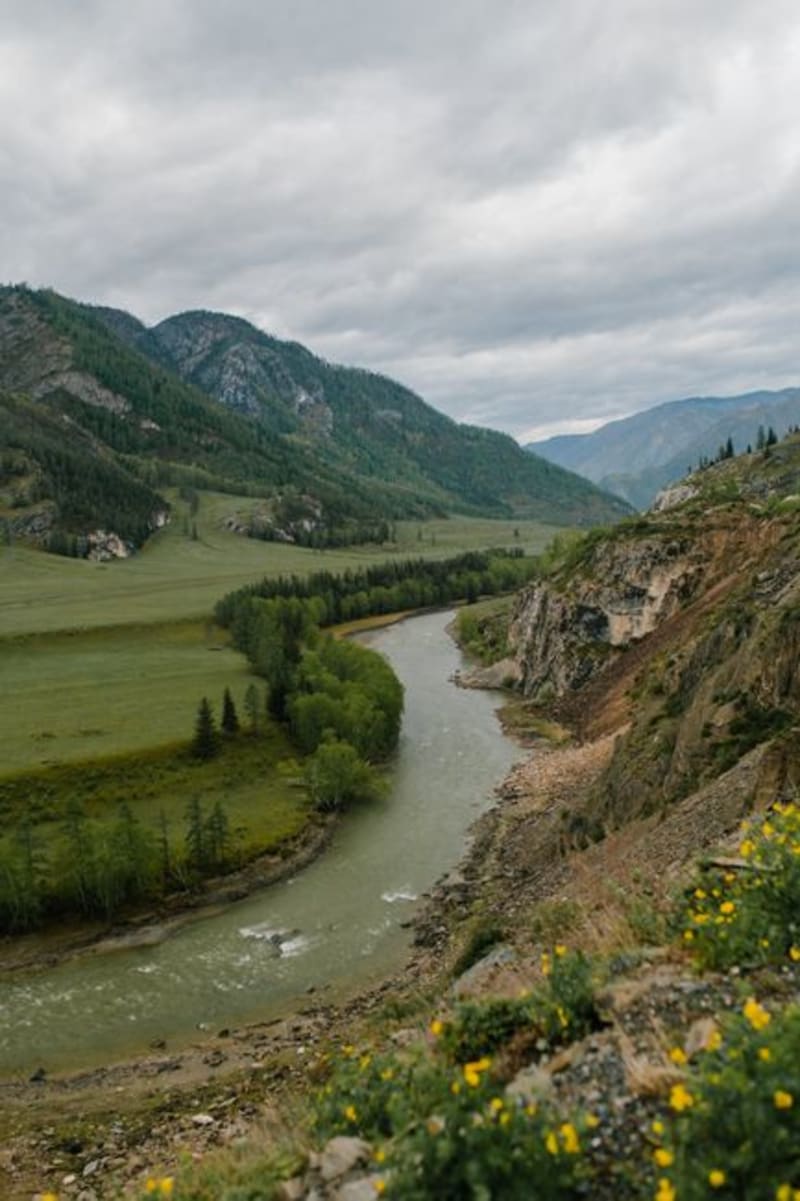 mongolia
 Bulgan
A quiet forested province in Mongolia's north where the steppe gives way to taiga, and a sleepy aimag capital sits on a river nobody outside the region has heard of.
Explore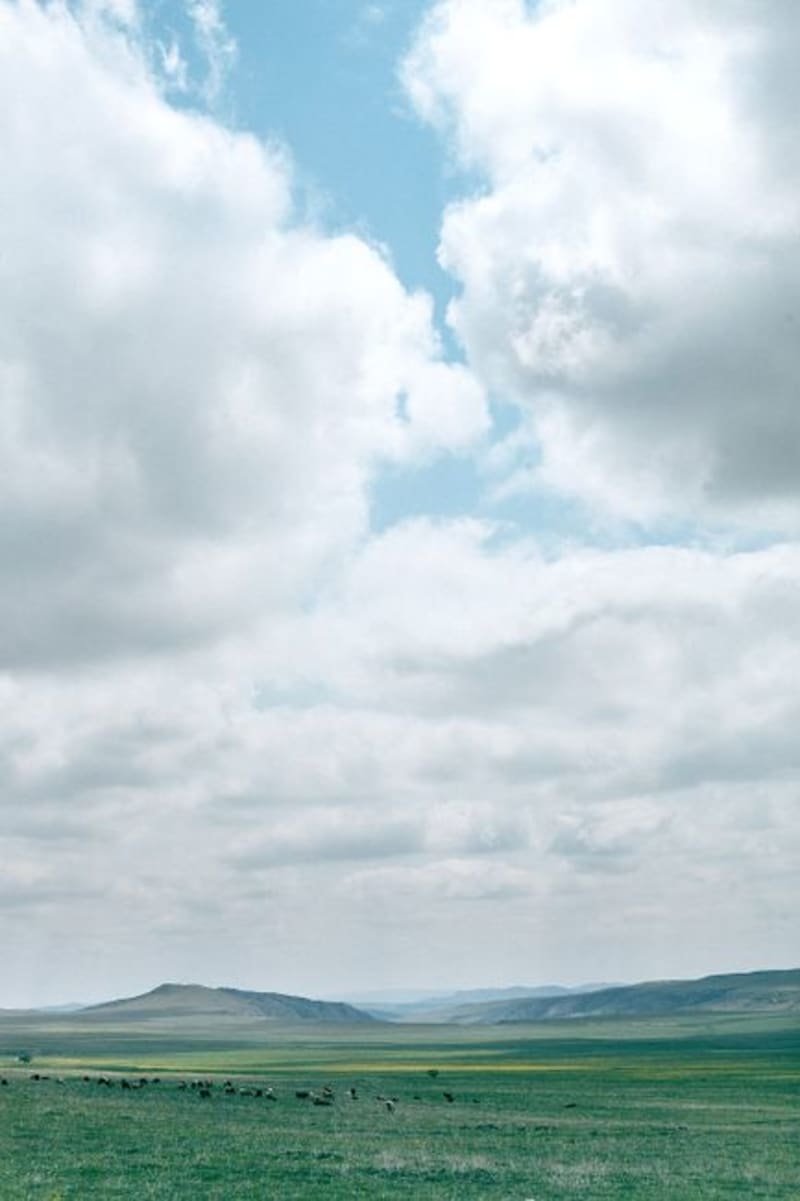 mongolia
 Choibalsan
A river town on the far eastern steppe, the biggest city almost nobody visits, where the Kherlen River curls past Soviet-era buildings and the grassland runs flat and empty toward Manchuria.
Explore