Mongol Els
"I didn't need to fly to the Gobi to stand on real sand dunes. I just needed a Tuesday afternoon and a decent driver."
A ribbon of sand dunes just two hours from the capital, small enough to feel like a rehearsal for the Gobi and close enough to visit on a whim before dinner in Ulaanbaatar.
Mongol Els surprised me mostly by existing at all, this close to the capital. Most visitors associate sand dunes with the Gobi, a multi-day undertaking involving flights or long drives south, and I’d more or less assumed that was the only way to get that particular landscape into a Mongolia trip. Then a Ulaanbaatar-based friend mentioned, almost dismissively, that there was a proper dune field in Tuv province, under two hours from the city, and I spent an afternoon there instead of doing anything more productive with my remaining time in the capital.
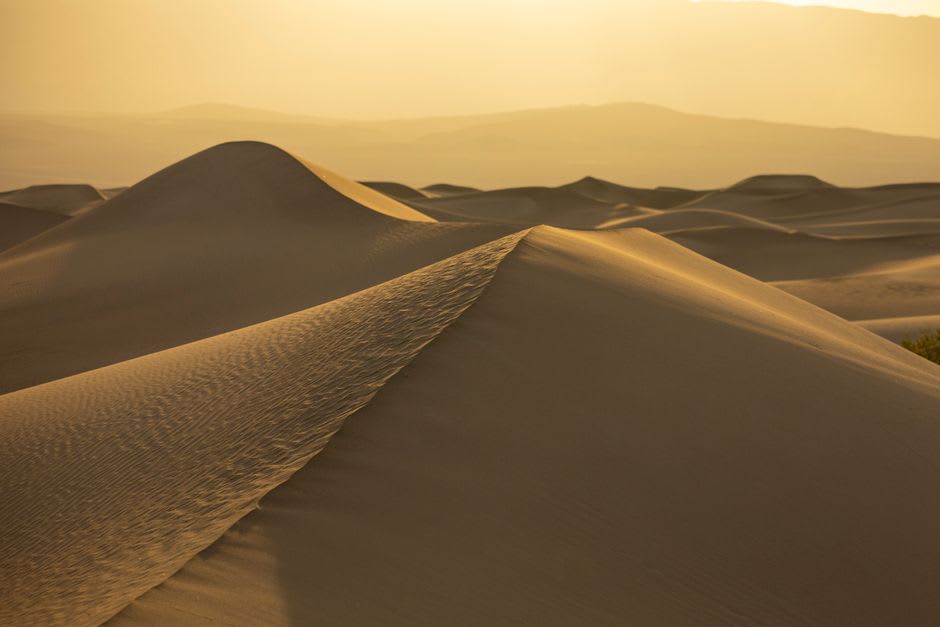
The dunes stretch for several kilometers along a strip of steppe, rising in places to heights that genuinely surprised me — nothing on the scale of Khongoryn Els in the true Gobi, but substantial enough that walking up the steepest faces required real effort, sand sliding back under each step in the specific frustrating rhythm that all proper dunes seem to share regardless of size. Unlike the deep desert dunes further south, Mongol Els sits embedded directly in green steppe grassland, so the transition from grass to sand happens within a few strides rather than across the gradual desert approach you’d get elsewhere — one moment you’re walking through grass thick with grasshoppers, the next you’re barefoot in sand fine enough to work its way into every seam of your clothing.
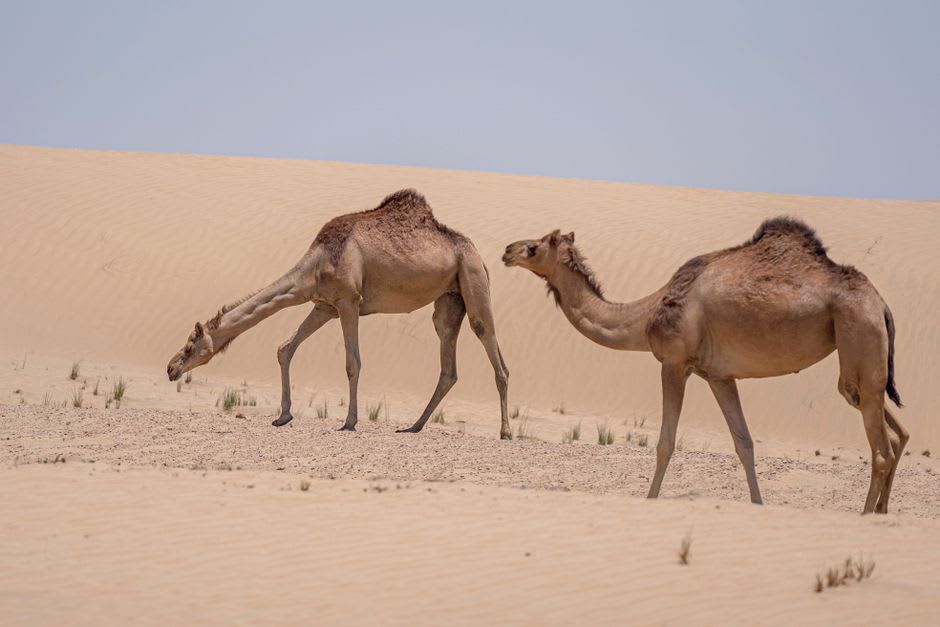
A small tourist operation at the base of the dunes offers camel rides, which felt slightly incongruous given how close we still were to Ulaanbaatar’s outer suburbs, but the camels themselves — two-humped Bactrians, shaggy and unbothered — didn’t seem to mind the shorter commute either way. I rode one for perhaps forty minutes along the base of the largest dune, the handler walking alongside and narrating, through a mix of English and gesture, the dune field’s slow migration pattern and its use as a training ground of sorts for photographers and filmmakers who need a “Gobi look” without the budget or time for an actual Gobi shoot.
I climbed the tallest dune in the group just before sunset, the sand cooling rapidly as the light dropped, and from the ridge at the top the view opened out in a way that captured, in miniature, most of what I’d come to associate with rural Mongolia — steppe grass rolling to the horizon in one direction, a scattering of grazing horses, a single ger with smoke rising from its stove pipe, and, faintly, on the opposite horizon, the hazy outline of Ulaanbaatar’s tower blocks, proof of how strange and compressed this country’s geography of contrasts can be.
Mongol Els won’t replace an actual Gobi trip if you have the time for one, and it doesn’t pretend to. But as an afternoon detour that delivers real dunes, real camels, and a genuinely good sunset without leaving the immediate orbit of the capital, it more than earns its place on a short itinerary.
When to go: Any season, though summer evenings offer the most comfortable sand temperature for the climb and the best light for sunset photography. A half-day trip from Ulaanbaatar covers it comfortably.
Keep exploring
More from Mongolia
 mongolia
 Nalaikh
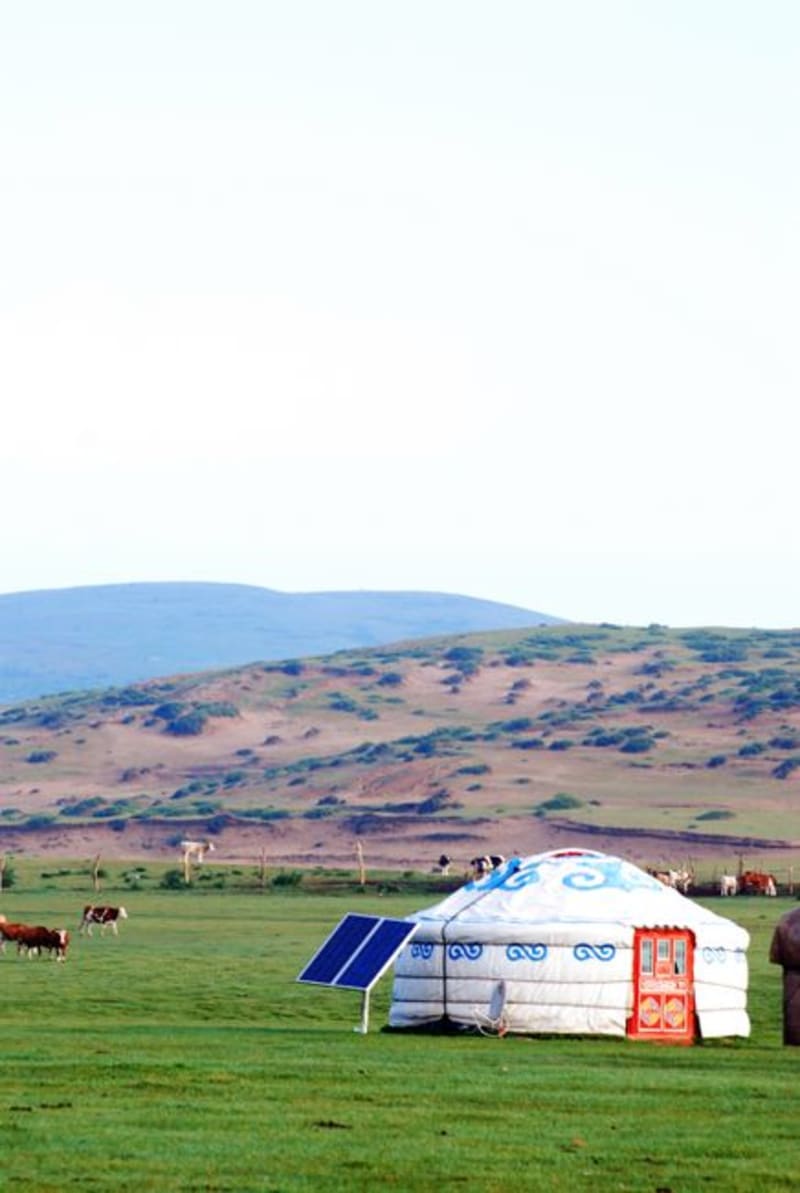
Ulaanbaatar's coal-mining satellite district, a rough-edged town in the hills where you can see, in one short drive, exactly how the capital's ger districts came to be.
Explore mongolia
 Nemegt Basin
The deepest, hardest-to-reach fossil valley in the Gobi, where entire dinosaur skeletons still surface after a single hard rain.
Explore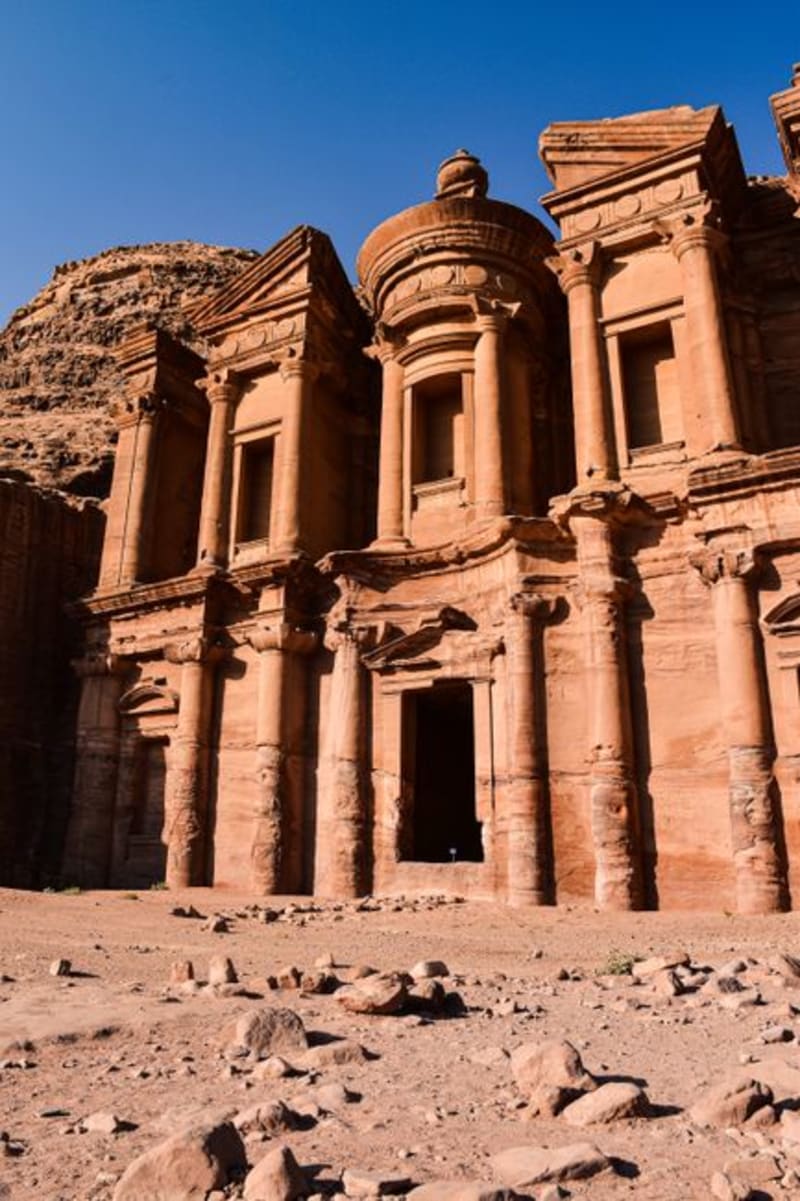 mongolia
 Ongi Monastery
The ruins of one of Mongolia's largest monasteries, torn apart in the Stalinist purges of the 1930s and left standing, half-erased, on the banks of a Gobi river.
Explore mongolia
 Orkhon Valley
A UNESCO river valley where empires rose, waterfalls appear without warning, and nomadic life continues in a landscape that has been continuously inhabited for five thousand years.
Explore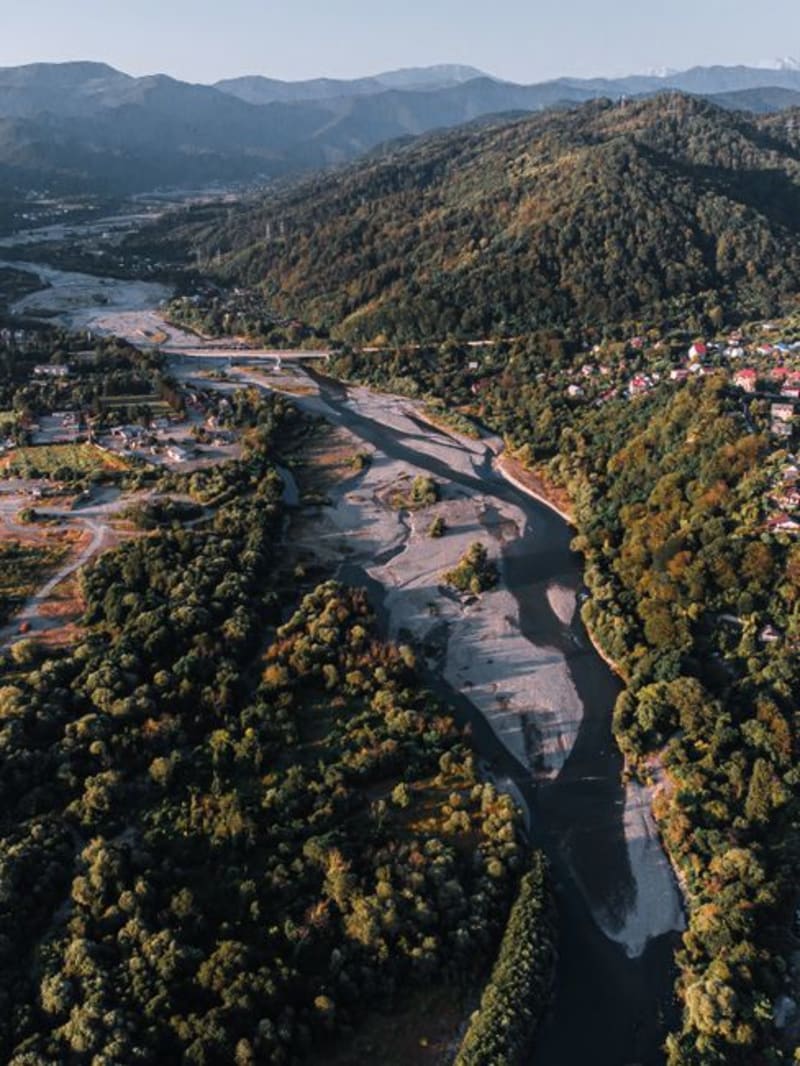 mongolia
 Sükhbaatar
A green river town on the Russian border where the Selenge and Orkhon rivers meet, and the landscape finally looks like something other than steppe.
Explore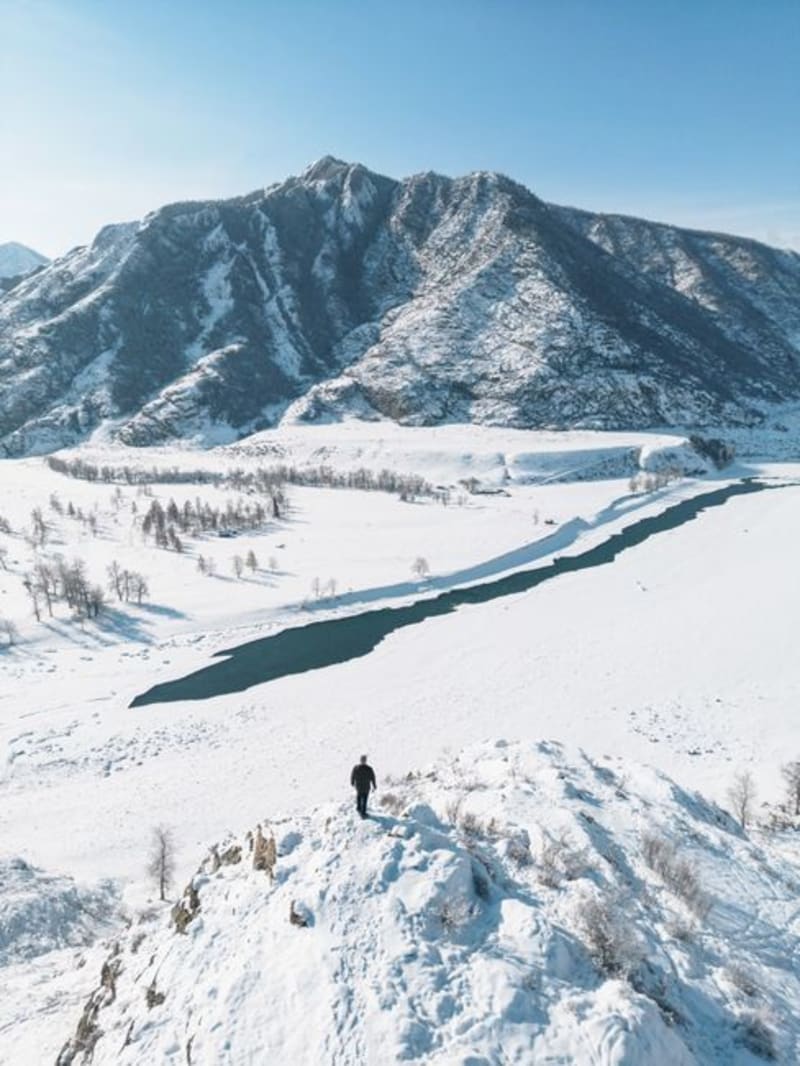 mongolia
 Altai Tavan Bogd National Park
Five glaciated peaks at the far western edge of Mongolia, where Kazakh eagle hunters still ride the ridgelines and three countries meet at a single snowbound point.
Explore