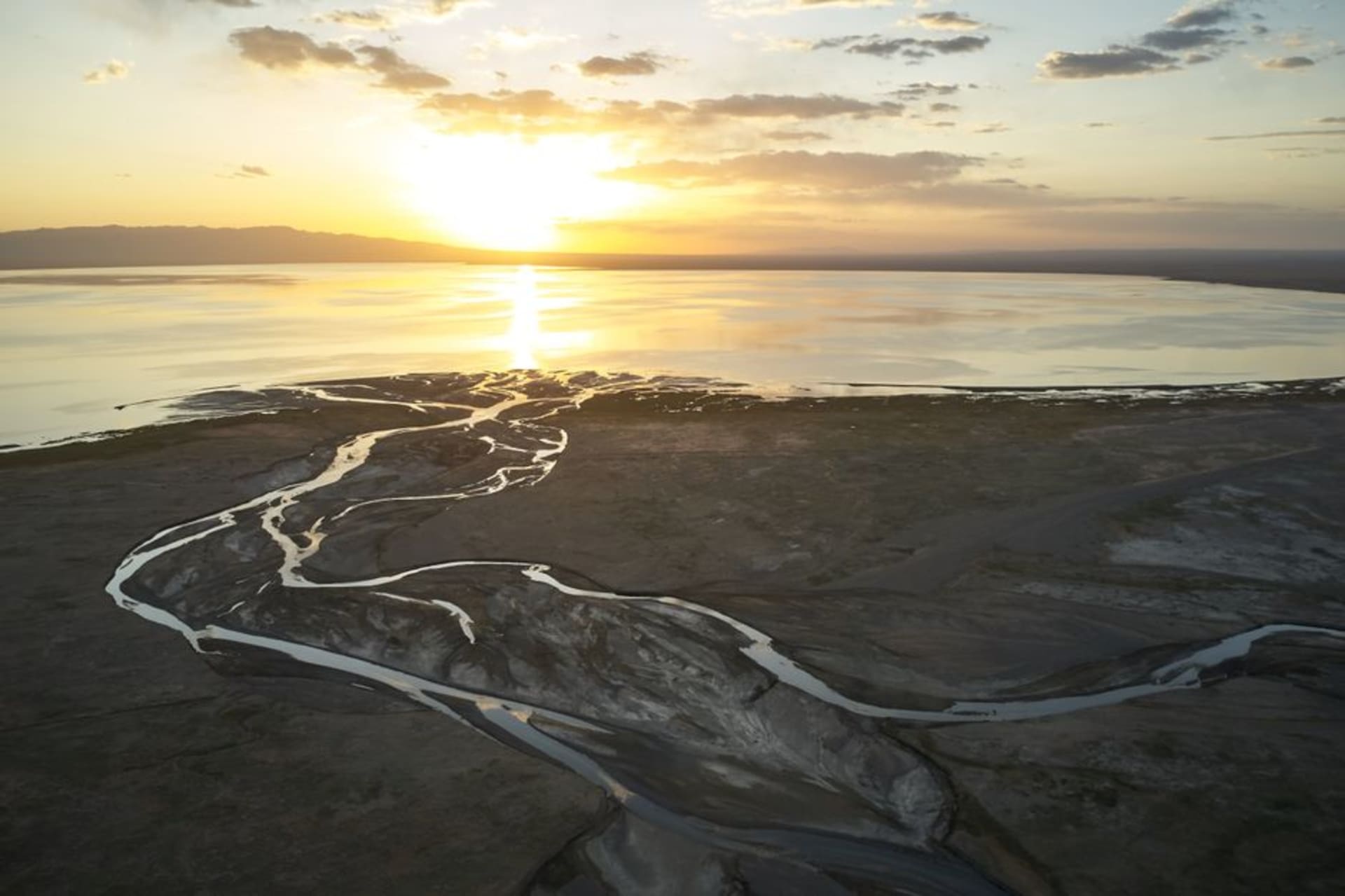
Khovd
"In one afternoon I heard four languages in the Khovd market and understood none of them equally."
A river town at the crossroads of western Mongolia's ethnic patchwork, where Kazakh, Torguud, and Uriankhai communities share a market and a mountain skyline.
Khovd doesn’t get discussed much even among the small subset of travelers who make it to western Mongolia — Ölgii gets the eagle hunters and the Altai peaks, Ulaangom gets the lake, and Khovd sits between them as a functional provincial capital that people pass through rather than toward. I stayed three nights, mostly by accident — a mechanical issue with the van I was traveling in — and came away thinking it deserved more deliberate attention than an accident.
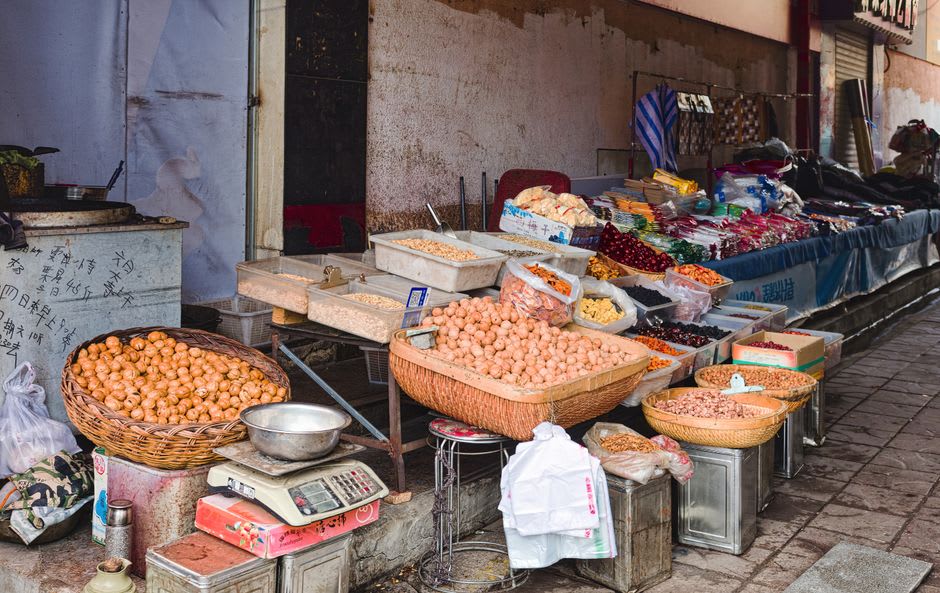
The town sits on the Buyant River at the base of the Mongol Altai range, and its defining quality is the sheer diversity packed into a fairly small urban footprint: Khovd province is home to Khalkh Mongolians, Kazakhs, Torguud and Zakhchin Oirat groups, Uriankhai communities, and a scattering of others, a demographic mix unlike anywhere else in the country, forged partly by the province’s history as a Qing-era garrison town and trading crossroads. Walking through the central market on a Saturday morning, I heard Mongolian, Kazakh, and at least two dialects I couldn’t place, and the stalls themselves shifted character block by block — dried curd and airag from herder families at one end, Kazakh embroidered wall hangings and felt goods at the other, a stretch selling Chinese-manufactured electronics in between.
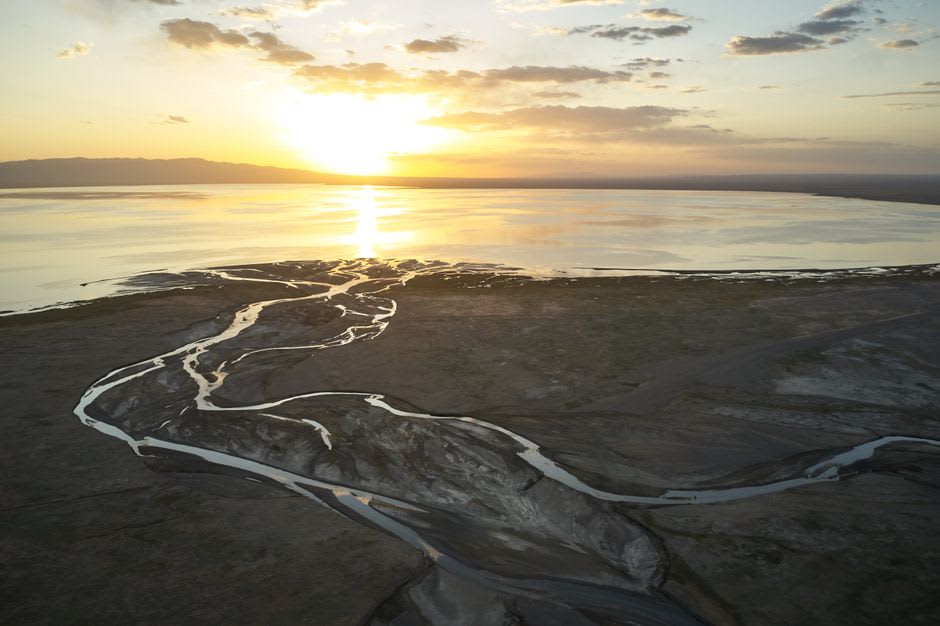
The old fortress ruins on a hill above town — remnants of the Qing garrison, mostly reduced to eroded mud-brick walls now — offer a decent vantage point over the river valley and the sprawl of gers and small houses that ring the more formal center. I climbed up there in the early evening and watched the light shift on the Altai foothills to the west, a range that stays snow-streaked well into summer and gives the whole town a permanent backdrop of serious mountains, unusual for a place that otherwise feels like a working provincial hub rather than a scenic destination.
A local schoolteacher I met at the guesthouse, Bolortuya, insisted on taking me to a small Torguud family’s home outside town for dinner, an evening of dumplings, fermented mare’s milk stronger than anything I’d had further east, and a long conversation — through her translation — about the province’s complicated history of migration, the Torguud’s own ancestors having made an extraordinary trek back to Mongolia from the Volga region centuries ago after decades in Russian territory. The family patriarch told the story with the ease of someone who’d told it many times, but the details — starvation, winter crossings, arrival at a homeland none of them had personally seen before — still landed with real weight.
Khovd isn’t a place with a single unmissable sight, and I think that’s precisely its value — it’s a town that rewards conversation over photography, a crossroads whose real content is in the people who ended up there and why.
When to go: June through September for reliable road access from Ulaanbaatar and the Altai foothills at their greenest. The Saturday market is worth timing a visit around regardless of season.