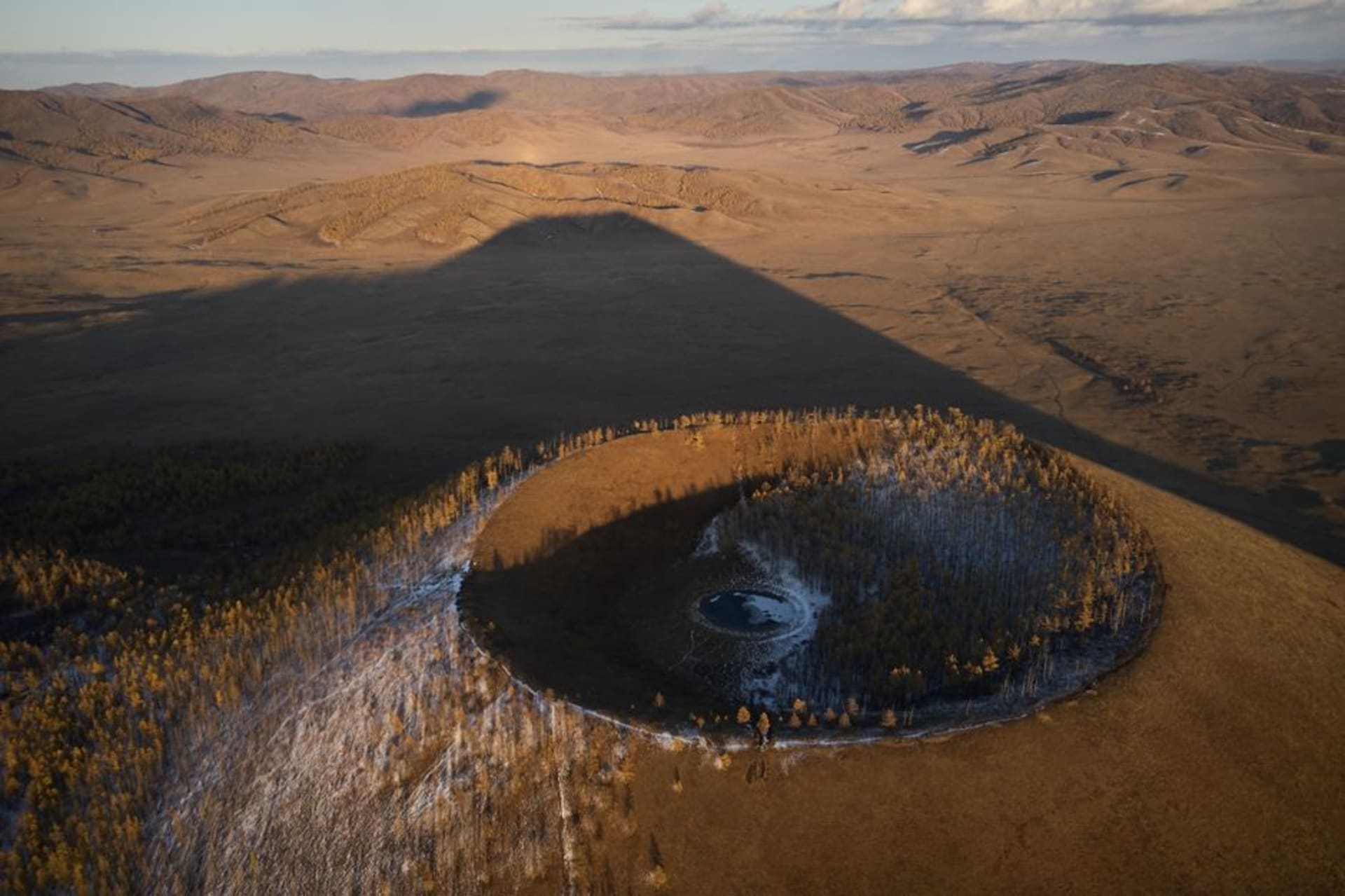
A quiet forested province in Mongolia's north where the steppe gives way to taiga, and a sleepy aimag capital sits on a river nobody outside the region has heard of.
Bulgan doesn’t appear on the standard Mongolia itinerary, and I understand why — it isn’t Karakorum, it isn’t a national park with a marketing budget, it’s an aimag capital of modest size that most travelers pass through on the road between Ulaanbaatar and the northern lake country without stopping longer than it takes to refuel. I stopped for two nights because a friend in UB, who grew up nearby, told me the province was the greenest in Mongolia and that nobody believed her when she said it, and I wanted to see whether she was right.
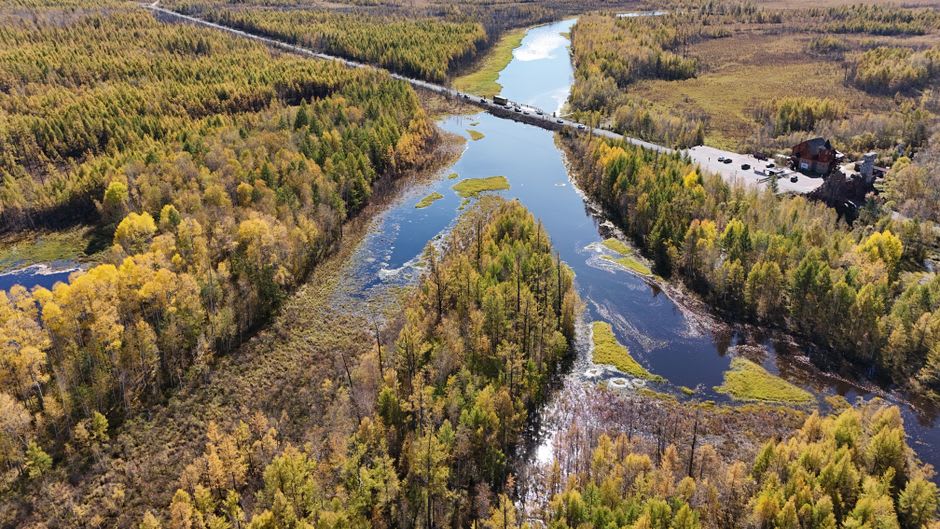
She was right. Bulgan sits at the southern edge of Mongolia’s taiga belt, where the endless dry grassland that defines most people’s mental image of the country starts folding into pine-covered hills and the air develops a resinous, damp-earth smell that doesn’t exist further south. The town itself is small and unglamorous — a grid of low buildings, a market that sells more felt boots than souvenirs, a river, the Selbe, running along one edge of it with a lazy curve that locals fish from in the early evening.
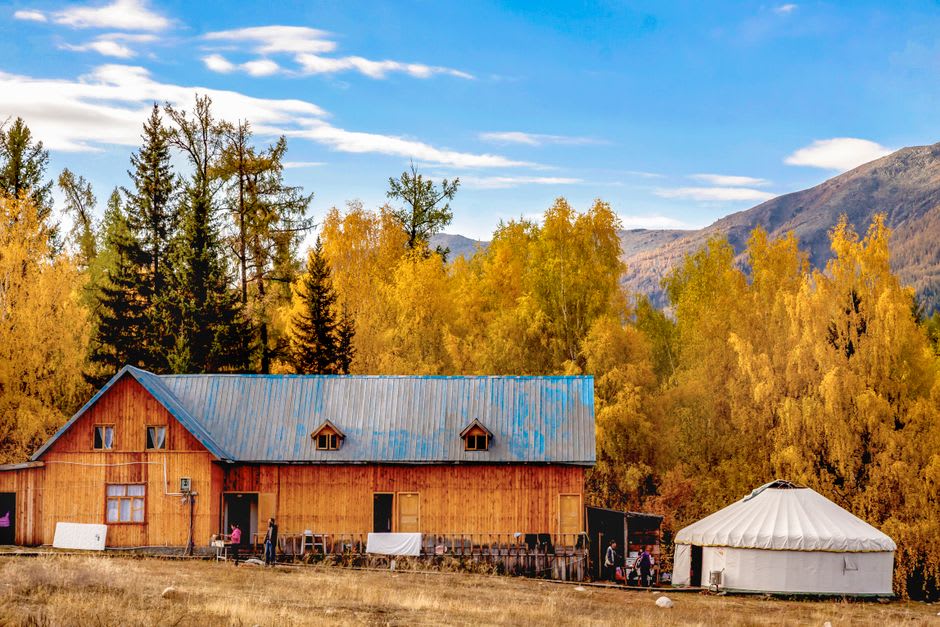
What I actually came for was the countryside around it, and that’s where the province earns its reputation. I hired a driver for a day trip north toward the taiga proper, and within an hour of leaving town the landscape had transformed completely — birch and larch forest closing in on both sides of the dirt track, the road following a river valley thick with undergrowth that felt more like rural Siberia than the Mongolia of postcards. We stopped at a small ger camp run by a family who kept both horses and a modest herd of yaks, unusual this far from the true alpine country, and the patriarch explained that the mixed terrain here supported animals that wouldn’t survive in the drier south or the higher mountains further north.
Dinner was buuz — steamed dumplings, filled with mutton and a startling amount of garlic — eaten in the family’s ger while a fire in the small stove popped and hissed with wood rather than the dried dung I’d gotten used to elsewhere, another small marker of how different this forested province is from the steppe I’d been traveling through for weeks. The daughter of the family, maybe nineteen, spoke decent English learned from a teacher in Bulgan town and asked me, with real curiosity rather than performed hospitality, what people in Europe thought Mongolia looked like. I described the Gobi and the open grassland. She laughed and gestured out the door at the pine trees. “Not always this,” she said. “But also this.”
I left Bulgan without having seen a single monument, monastery, or must-see landmark, and it remains one of the trips I recommend most readily to anyone who’s already done a Terelj-Karakorum-Gobi loop and wants to see the country’s quieter register — the one without a single tour bus in it.
When to go: Late June through September for the forest at its greenest and the roads at their most passable. The taiga areas north of town get genuinely cold and wet outside this window, and the dirt tracks into the forest can become difficult after rain.