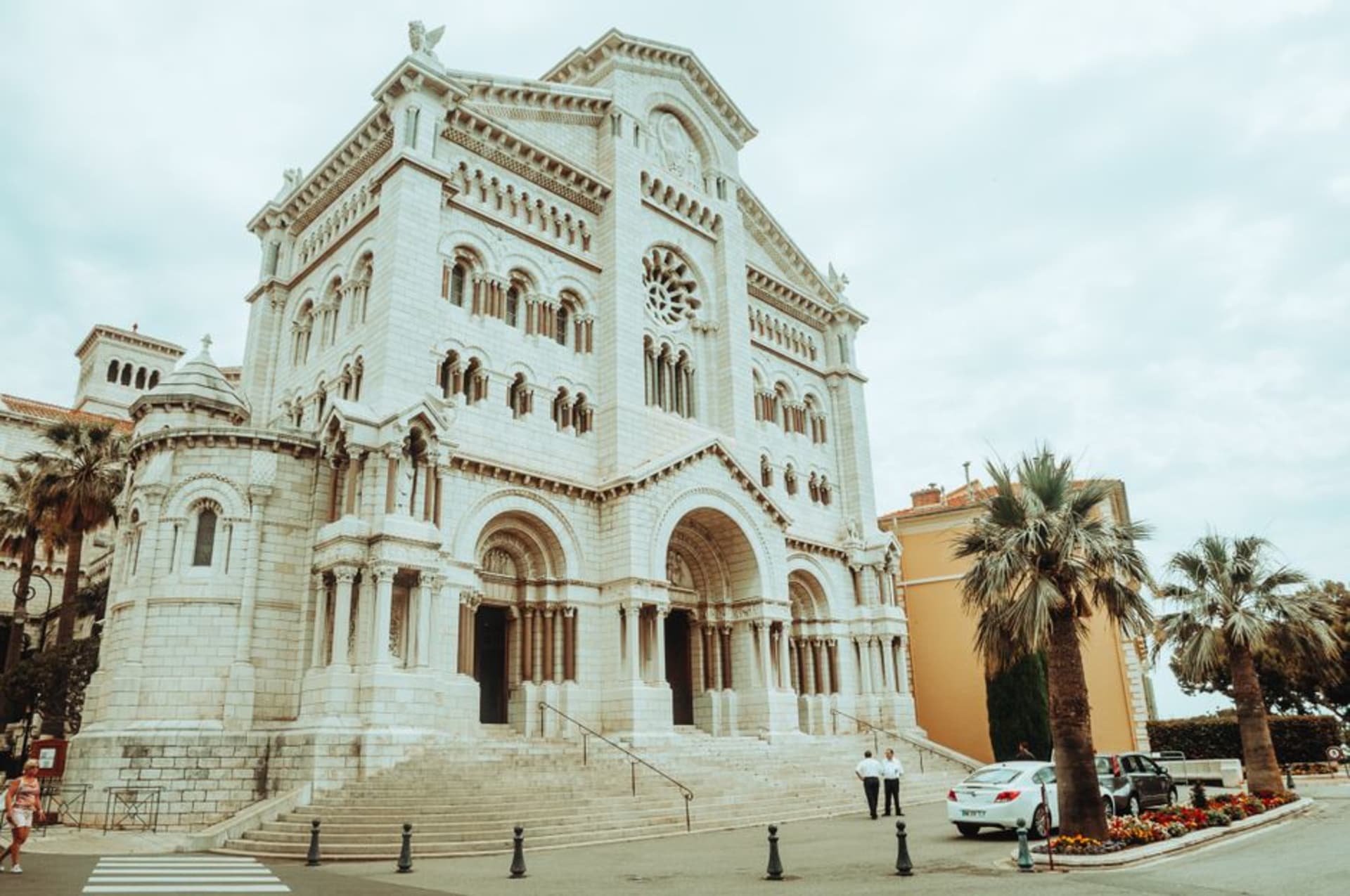
Stade Louis II
"I came for the football and left having toured a car museum I didn't know was hiding under the stands."
Monaco's arched stadium on reclaimed land in Fontvieille, where I finally understood how seriously this tiny principality takes its football club.
I’ll admit it: I didn’t expect to like Stade Louis II. Monaco isn’t a place I associate with sport — it’s yachts, casinos, hairpin turns for the Grand Prix. But Lia had read that AS Monaco was playing at home that week, and after three days of pretending we could afford anything in Monte Carlo, the idea of sitting in a stadium with a nine-euro beer sounded like relief. The stadium sits right on the water in Fontvieille, built on land reclaimed from the sea, and its facade — eleven concrete arches marching along the shoreline — is genuinely one of the more striking pieces of architecture I’ve seen in a stadium context. It doesn’t look like it’s hiding anything, but it is.
The current building opened in 1985, replacing an earlier stadium from 1939 that carried the same name, honoring Prince Louis II. Walking up to it from the port, I kept doing the math on how a country this small — you can walk across the whole thing in under an hour — justifies a stadium this ambitious. Then I remembered this is also a place that hosted the UEFA Super Cup for over a decade, from 1998 to 2012, so apparently Monaco doesn’t think small when it comes to football, even if everything else about the principality is compact by design.
What surprised us most was what’s underneath the main stand. We arrived early, more out of habit than plan, and found the Monaco Top Car Collection tucked into the stadium’s base — dozens of vehicles from Prince Rainier III’s personal collection, gleaming under stadium-adjacent lighting like they were waiting for their own match. Lia, who has zero interest in cars normally, spent twenty minutes photographing a 1950s roadster while I wandered toward the training pitches, where I could hear what I assumed was the Monaco Rugby Club running drills somewhere out of sight. It’s a strange complex — football stadium, car museum, and rugby training ground stacked into the same reclaimed patch of coastline — but somehow it works.
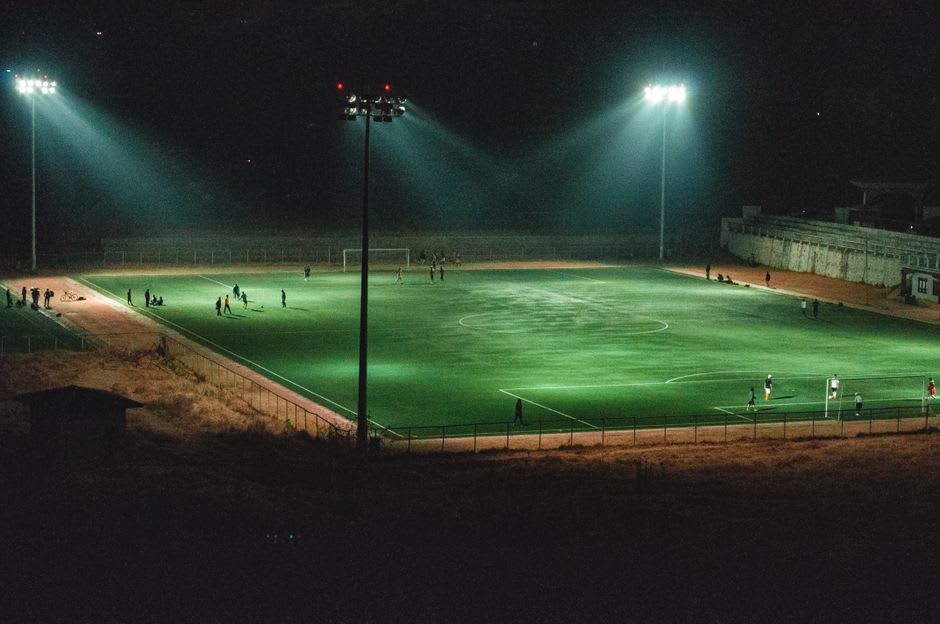
The match itself was loud in the way small, devoted crowds are loud — not stadium-shaking, but personal, like everyone actually knew each other. We ended up a few rows from a family who’d clearly been coming for years, and by halftime they were explaining the club’s history to us in a mix of French and English better than any guidebook could. I left thinking about that arched facade again, how it looks almost ceremonial from the water, and how little that prepares you for what’s actually happening inside on a match night.
When to go: Plan around the Ligue 1 calendar, roughly September through May — that’s when AS Monaco plays at home and the stadium actually comes alive, rather than just standing there looking architecturally impressive.