Europe
Monaco
"The most expensive square kilometer on earth, and somehow still worth the visit."
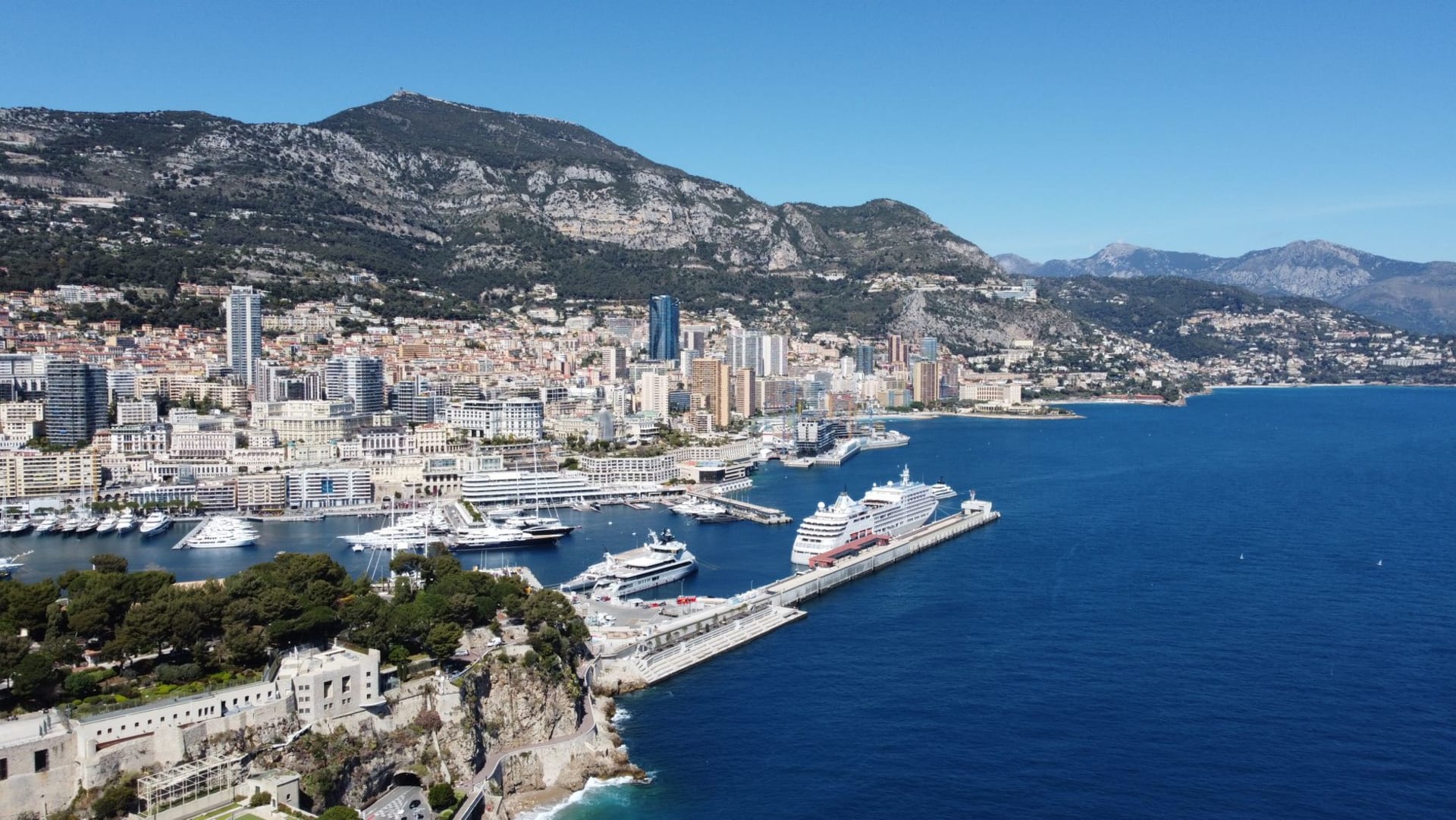
The first time I arrived in Monaco I came by train from Nice, the way most people do who aren’t arriving by helicopter or superyacht. The station is underground, which means you walk up into the light and suddenly you’re just… there. No border crossing fanfare, no dramatic reveal. Just the smell of exhaust and bougainvillea, the sound of a Porsche navigating something that was clearly not built for Porsches, and the sea glittering below the Casino terrace like it’s been paid to look that way. Monaco is almost comically concentrated. You can walk from one end to the other in twenty minutes and cross through half a dozen microclimates of wealth in the process.
I had expected to find it hollow — a backdrop for the ultra-rich with nothing to actually do if you weren’t spending five hundred euros on lunch. What surprised me was how lived-in it felt, especially down in La Condamine, the old port quarter, where the market on Place d’Armes sells socca and pissaladière and local cheeses at genuinely reasonable prices. The Rocher — the old town on the rock above — is quietly medieval once you get past the tourist shops, and the Oceanographic Museum that Jacques Cousteau ran for decades remains one of the best marine science institutions in the world. The aquarium alone is worth the climb. At the cathedral on the promontory, Grace Kelly is buried beneath a plain marble slab. I spent ten minutes there on a Tuesday morning with almost no one else around. Monaco surprises you like that.
The food, if you choose carefully, does not have to ruin you. The Marché de la Condamine in the morning, a glass of rosé at one of the café terraces on port Hercule watching the boats, a pizza from one of the back-street joints up on the Rocher — Monaco has a human scale to it that the Formula 1 mythology tends to obscure. Go in May, before the Grand Prix chaos takes over, and you can walk the actual circuit on foot. Standing at the Fairmont hairpin or the tunnel exit with nobody around is one of those rare moments when a place you have seen a thousand times on television suddenly becomes real.
When to go: April and September are the sweet spots. April means warmth without crowds, and you can walk the Grand Prix circuit before the barriers go up. September has the best light and an emptied harbor — the billionaires have mostly moved on. Avoid May Grand Prix week entirely unless you are specifically there for the race, in which case book a full year out.
What most guides get wrong: They reduce Monaco to the Casino and the yacht porn and leave it at that, which gives people the impression there is nothing here for a normal traveler. There is, but you have to look slightly sideways. The Oceanographic Museum, the Jardins Saint-Martin along the cliffs, the Marché de la Condamine on a weekday morning, the Palais Princier at the changing of the guard — Monaco has texture if you’re willing to step off the main promenade. It is small enough to know in a single long day, which is exactly the right amount of time.