Port Hercule
"Every boat here costs more than my apartment building. I sat on the dock and ate a sandwich anyway."
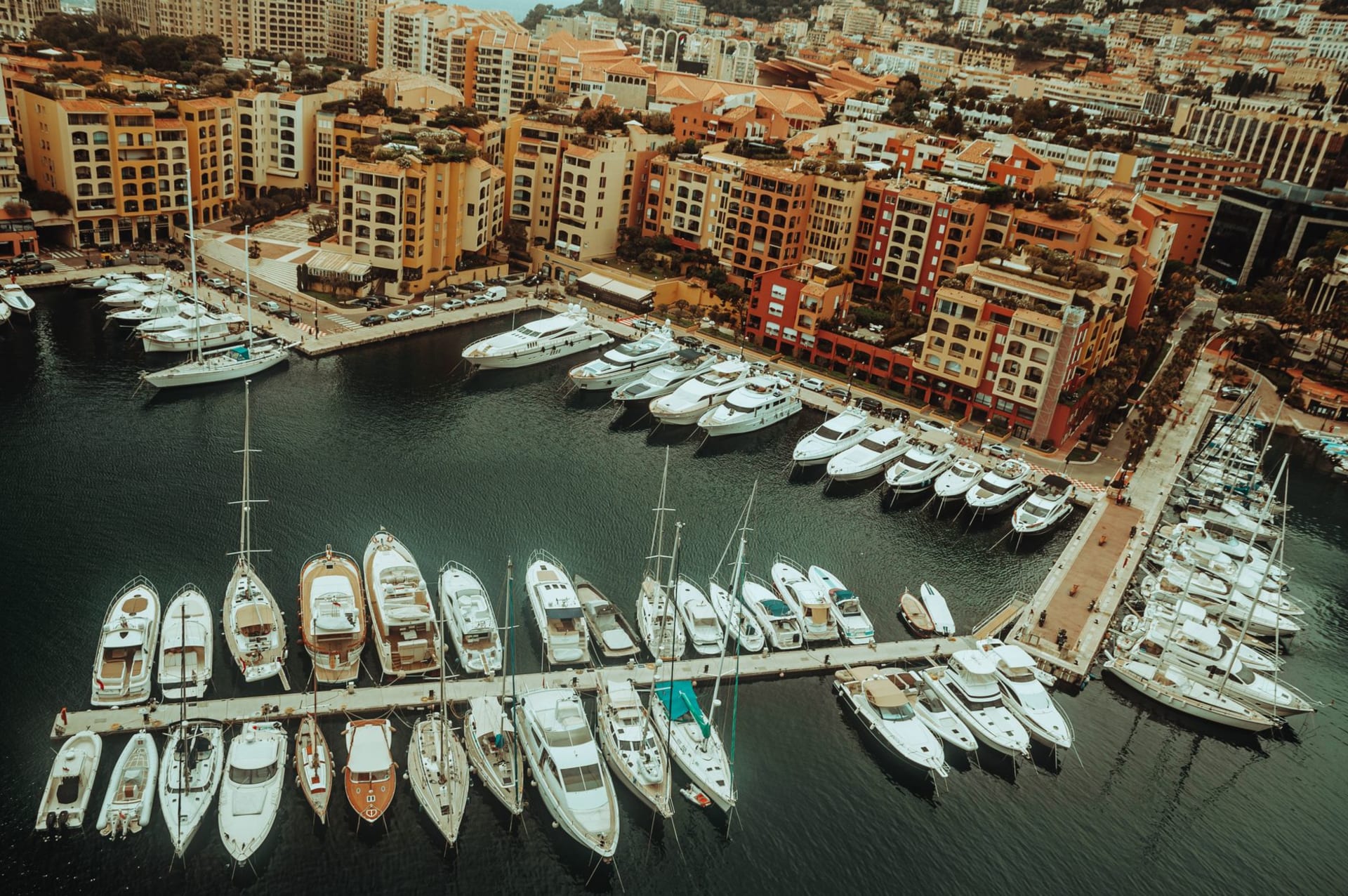
The morning I really understood Port Hercule was a Tuesday in September when the season was winding down and half the berths were already empty. The superyachts that remained were being prepared for departure — a man on a bosun’s chair was painting a hull, two crew members in matching polo shirts were coiling ropes with a methodical patience that reminded me of Zen practice. The harbor smelled of marine paint and coffee from somewhere and the faint diesel residue that clings to working ports everywhere. For all its extraordinary wealth, Port Hercule is still fundamentally a port. Boats come and go. Things get fixed and cleaned and loaded. It has a logic that money does not entirely obscure.

The scale of the boats is genuinely difficult to process in person. I knew this intellectually — I had seen the photographs, the aerial shots showing the harbor jammed to capacity during the Grand Prix — but standing next to a hundred-and-forty-meter yacht at quayside is a different experience. The vessel has multiple decks, a helipad, what appears to be a swimming pool amidships, and a crew of at least twenty-five people who are currently, in their downtime, mending a fender and watching something on a phone. The owner is not there. The owner is never quite there. The yacht exists as an object in the world, being maintained and kept ready for a presence that arrives occasionally and briefly, and there is something slightly melancholy about this fact that I found more interesting than the yacht itself.

The quays around the port are entirely walkable, and this is the best thing about it: you can circumnavigate the whole basin on foot in fifteen minutes, stopping to read the boat names, speculating about the owners, watching the harbor masters in their orange vests manage an incredibly complex choreography of arrival and departure. The café terraces on the west side of the port face east and catch the morning sun beautifully. I drank two coffees there one morning and watched a small fishing boat try to navigate past a hundred-and-eighty-foot ketch without incident. It managed it. In Monaco, the ordinary and the extraordinary share the same water, and neither seems entirely at ease with the arrangement.
When to go: September is the best month — the Grand Prix crowds are gone, many megayachts have departed for the winter, and the light has that soft amber quality that the coast gets in early autumn. The port during the Grand Prix in May is a spectacle of its own kind, boats rafted four deep with hospitality decks and helicopter approaches, but you will be sharing it with a hundred thousand other people and prices triple everywhere.