Circuit de Monaco
"I stood at the Fairmont hairpin at eight in the morning. A woman walked a dog through the corner. That felt right."
The Monaco Grand Prix circuit is not impressive as circuits go. It is narrow, slow, technically brutal, and passes through streets that are, for the other fifty weeks of the year, used for delivering groceries and parking Porsches. No modern racing car was designed with this track in mind — it is a relic, kept on the calendar through tradition and television beauty and the fact that Monaco writes a very large check. But walking it on a quiet morning in April, before the barriers go up and the whole principality is remade into a temporary race facility, is one of those experiences that converts you from intellectual knowledge into physical understanding in a way that is hard to shake.

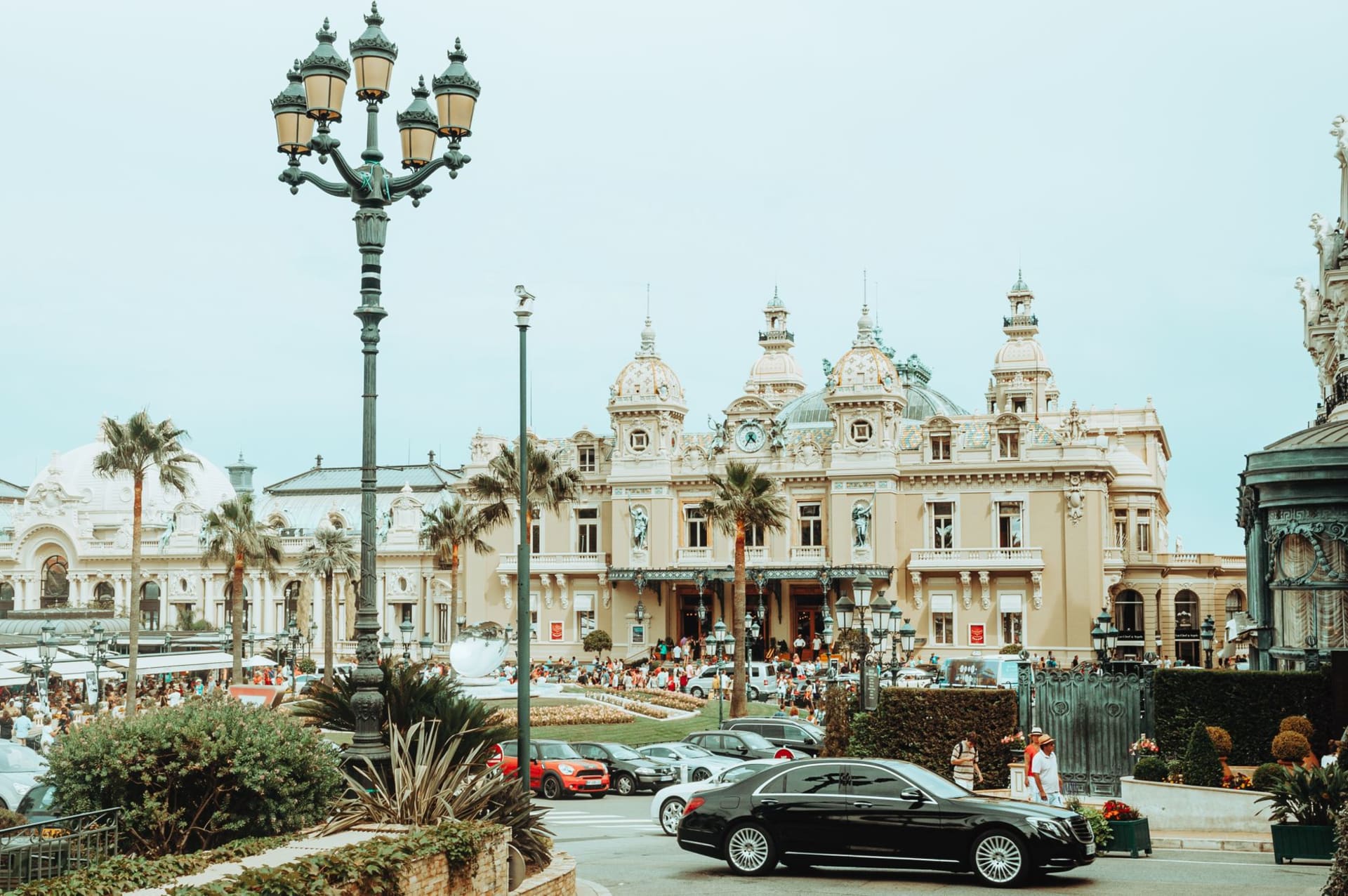
I started at the Sainte-Dévote corner, where the circuit begins its climb from the port level, and walked in the direction of race traffic. The ascent to Casino Square takes about eight minutes on foot and involves a gradient that seems friendly walking and becomes suddenly interesting when you imagine cars climbing it at two hundred and seventy kilometers per hour with a wall on one side and nothing much on the other. The Casino terrace corner is the only place on the circuit where the cars briefly reach something like a straight, and even that is gently curved. From there the road drops through Mirabeau and Massenet and the tight left-right complex that takes the cars down toward Portier and the harbor front. At Portier I stopped for a moment at the stone barrier where, in 1982, Didier Pironi’s accident ended his racing career. There is no plaque. There is a café nearby that was already open.

The tunnel is the circuit’s strangest section — a genuine road tunnel through which Formula 1 cars emerge from artificial light into Mediterranean morning and immediately begin braking for the chicane. Walking through it on an ordinary Tuesday feels mildly surreal. There is a slight dampness to the air inside, a smell of exhaust that no amount of ordinary traffic ever quite disperses. Coming out the other end onto the harbourfront with the boats and the light and the casino on the ridge above, I understood something about why the Monaco Grand Prix has survived when more rational circuits have been replaced: the setting is absurd. The gap between what you are watching and where you are watching it from is so extreme that it creates its own kind of drama. The last kilometer, up through the Fairmont hairpin to the final chicane and back to Sainte-Dévote, takes no time at all on foot and feels, in the empty morning, very quiet.
When to go: Walk the circuit in April, in the week or two before the Grand Prix barriers go up — the track is fully drivable as ordinary road but clearly legible as a race circuit, and the principality is not yet in race-week frenzy. Early morning, when the delivery vans are making their rounds through the corners, gives you the circuit at its most strangely domestic. Avoid the Grand Prix itself unless you have booked a year in advance and have serious appetite for both noise and expense.