Tiraspol
"The strangest thing about Transnistria is not that it exists — it's how completely normal everything feels once you're inside it."
The border crossing from Moldova into Transnistria is not like any other border crossing I have made. There is no Schengen booth, no EU flag, no particular modernity. There are men in uniform behind a low concrete building, a striped barrier across a two-lane road, and a procedure that requires you to fill out a small paper form in Cyrillic-heavy Russian that asks for your name, your purpose, and your host in the country — a country that most governments on earth do not recognize exists. I wrote “tourism” in the purpose box. The guard looked at it, looked at me, shrugged, and stamped the form. The form, not my passport. Transnistria does not exist, officially, so it cannot stamp passports.
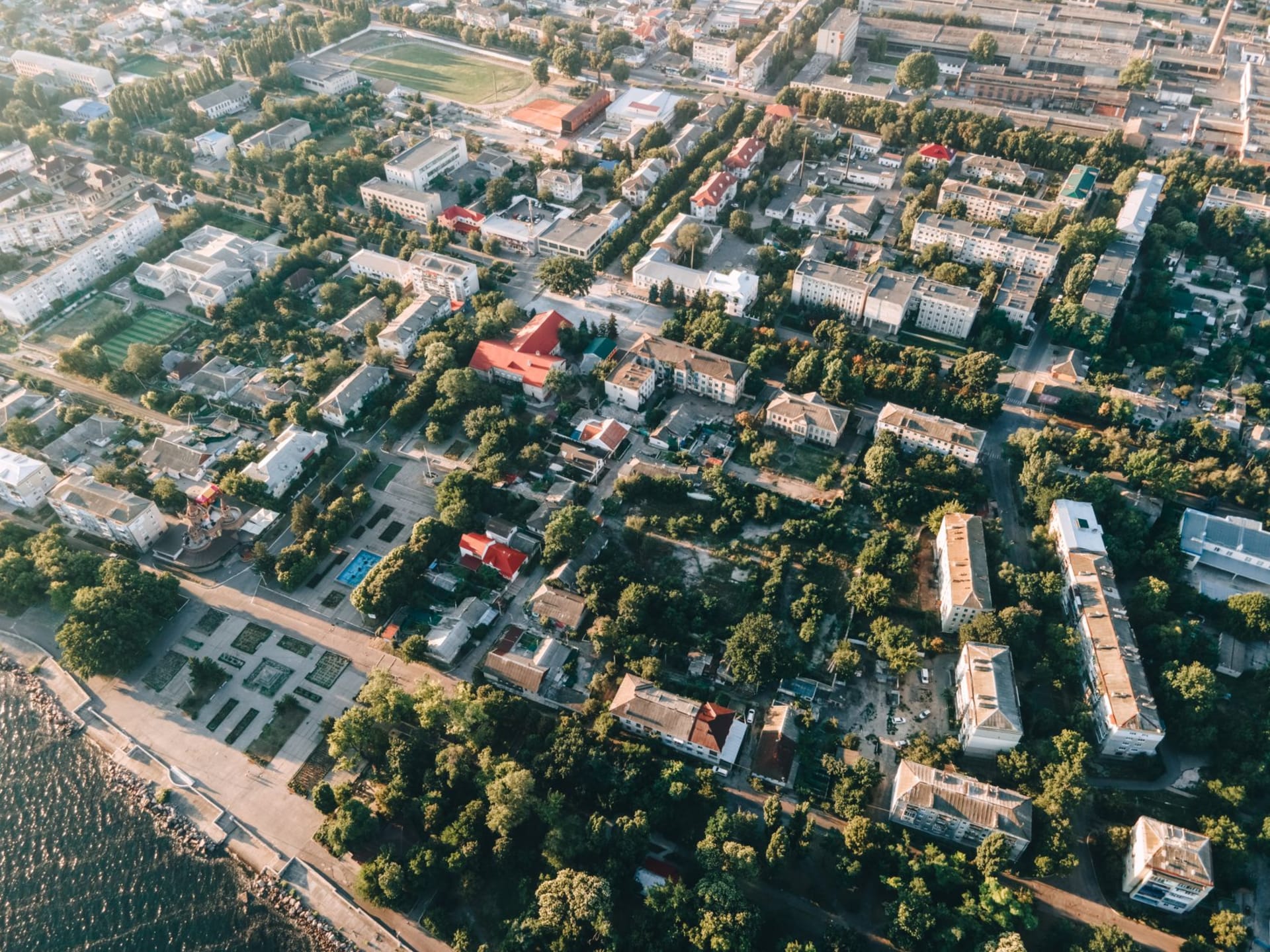
Tiraspol is the capital of this non-country — a strip of land between the Dniester River and the Ukrainian border, nominally part of Moldova, actually governed by its own president, its own army, and a state currency called the Transnistrian ruble that features a tank on one of the denominations. I arrived on a Tuesday morning and walked directly to the main boulevard, where the Lenin statue is so large and so well-maintained that it stops you mid-step. It is not a museum piece. The square is clean and the benches are painted and children play near the base of the statue while pensioners feed pigeons. This is an active political statement, not a heritage attraction.

The city itself is not what I expected from a breakaway Soviet enclave. The streets are clean. The parks are tended. The central market has fresh produce and a woman selling the most extraordinary smoked fish I have eaten in Eastern Europe — a carp from the Dniester, she said, smoked overnight in cherry wood, warm enough that it came apart in the fingers. I ate two portions standing at the stall and she was pleased by this in the way that people who make something very well are always pleased when it is recognized. The Sheriff supermarket chain — a Transnistrian monopoly that funds much of the state apparatus, or so the economics papers suggest — is enormous and well-stocked and sells everything from Bulgarian wine to Transnistrian-branded mineral water in Soviet-style packaging.
The local cognac — Kvint, made here since 1897 — is the product that most people bring home. The brandy aged 10 years is better than most French Armagnac I have had at three times the price, and the factory produces with a sincerity that Soviet state enterprises were not always known for. I visited the Kvint tasting room, which is attached to the factory and staffed by a woman who explained each of the eight or nine spirits on offer with the patient thoroughness of a teacher who has given this lecture many times and still means it. I bought three bottles and fit them in my pack with the care of someone carrying eggs.

What I could not entirely shake was the political vertigo of the place. The Russian military base on the edge of town is not hidden. The propaganda billboards — some featuring the Transnistrian president, some congratulating the army — are matter-of-fact. People are genuinely hospitable and the city functions more smoothly than much of recognized Moldova. What this means, and whether it should mean anything, is not a question Tiraspol will answer for you. It will hand you a smoked fish and a glass of cognac and let you work it out yourself.
When to go: May through September is warm enough to enjoy the parks and riverside promenades. Day trips from Chișinău are the most common approach — the marshrutka takes about an hour from the central bus station. Register your arrival at the migration office near the border if staying overnight; it is required and the fine for not doing it is real.