Europe
Moldova
"The wine is extraordinary and nobody knows it exists — which is exactly the point."
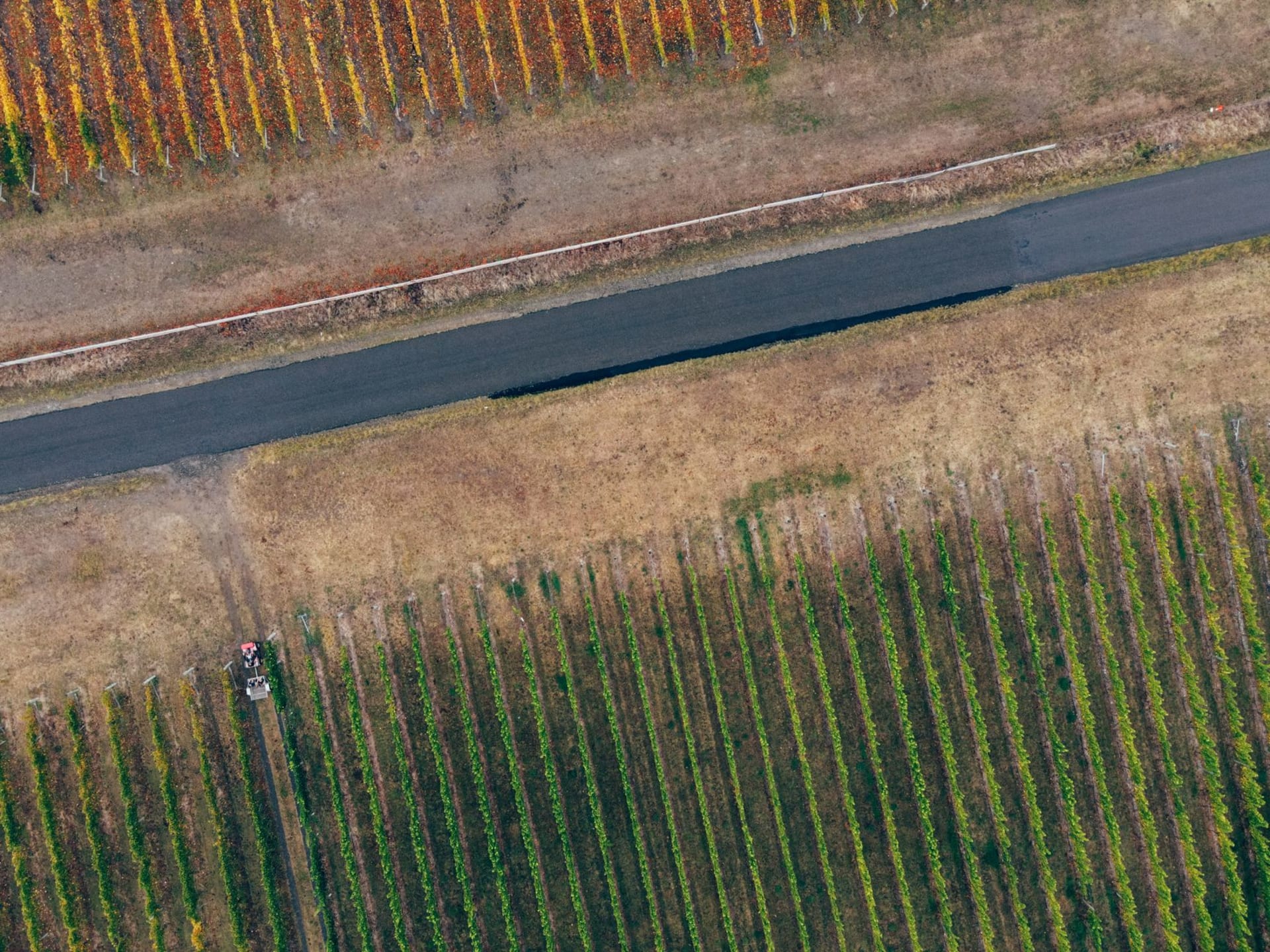
I came in overland from Iași, crossing the border at Sculeni on a cold October morning. The Moldovan customs officer looked at my French passport, then at me, with the weary suspicion of someone who had processed very few tourists that week. Probably because there were very few. That moment — the slight bureaucratic suspicion, the half-empty road ahead, the vineyards materializing almost immediately on both sides — set the tone for everything that followed. Moldova is not used to being looked at, and that is one of the most interesting things about it.
Chișinău, the capital, is the kind of city that rewards patience. The Soviet-era apartment blocks are real, and the city center is scrappier than Bucharest or Kyiv. But then you find the wine bars on Armenească Street, and the farmers’ market at Piața Centrală on Saturday morning, where women in headscarves sell walnuts by the kilo and home-pressed sunflower oil in unlabeled bottles. The National Museum has a wine history exhibit that explains, matter-of-factly, that Moldova has been producing wine for over four thousand years. Standing there with a small glass of Fetească Neagră, that claim felt entirely plausible.
The real draw is underground — literally. Cricova and Mileștii Mici, both within half an hour of the capital, hold wine collections of a scale that makes Bordeaux cellars look modest. Mileștii Mici has over a million bottles in tunnels that stretch fifty kilometers. You visit by car, driving the underground streets named after grape varieties. It is surreal in the best possible way — part James Bond set, part medieval catacomb, part the best-stocked cave you have ever stumbled into. The tasting at the end, in a room that smells of old oak and chalk, is the kind of afternoon that reshapes your understanding of what European wine culture actually spans.
When to go: September and October are the obvious choice — harvest season, when the vineyards are working and every restaurant in Chișinău is pouring new wine. May through June is quieter and genuinely beautiful, with wildflowers on the rolling hills between Orhei and Soroca. Avoid January if you can; the country goes grey and cold in a way that requires a different kind of enthusiasm.
What most guides get wrong: They present Moldova as a footnote — the poor, forgotten corner of the Soviet Union that never quite found its footing. That framing misses everything. The poverty is real but the hospitality is proportionally generous, the food is honest and good (try zeamă, the sour chicken soup, before anything else), and the wine is extraordinary by any standard, not just by comparison. Moldova produces Pinot Noir that competes with Burgundy at a tenth of the price. The fact that no one outside the region knows this is not a tragedy — it is an invitation.