
Mileștii Mici
"A million and a half bottles in tunnels under a village of four hundred people. Moldova's sense of proportion has always been its own."
The procedure at Mileștii Mici is unlike any winery visit I have been on before or since. You arrive at the gate, hand over your passport, receive a visitor permit and a set of printed underground street names — they have proper names, like an actual city — and then you drive your own car underground. Not a tour vehicle. Your car. Mine was a small red Dacia that had already made me nervous on the surface roads, and I now pointed it into a chalk tunnel and drove slowly into the dark while the temperature dropped fast and the smell of a million-plus bottles of aging wine pressed in from both sides.
The Guinness Book of Records certified Mileștii Mici as the world’s largest wine collection — over 1.5 million bottles at the last count, in tunnels that extend more than fifty kilometers. The tunnels were originally limestone quarries, the same quarried stone that built much of Chișinău, and when the quarrying ended the Soviets converted them into a state wine facility. The conversion was done with genuine seriousness: the temperature is a constant 12 degrees Celsius year-round, the humidity is controlled, and the collection is organized with the systematic logic of people who understood that what they were building was meant to outlast individual human concerns. It has.

What struck me most was the silence. Underground, with the car engine off at one of the designated stopping points, the silence is so complete that you become aware of sounds you normally filter out entirely — the sound of your own breathing, the distant drip of condensation, the very faint creak of the chalk expanding and contracting with the micro-changes in temperature. The oldest bottles in the collection date from the 1960s, and standing in front of them in that quiet I had the specific feeling that the wine inside was also somehow listening.
The tasting at the end takes place in an underground room that has been made comfortable with rugs and wooden furniture and a ceiling that still shows the marks of the original quarrying tools. The sommelier who led my tasting session was about forty, deeply serious, and spoke about the wines with the combination of expertise and personal investment that you hear in people who have been working in the same building for twenty years and consider it home. He poured a 1969 Rară Neagră — Moldova’s indigenous red grape — that had turned a translucent garnet in the decades underground and smelled of dried flowers and something mineral and very old. I asked him what it cost. He named a figure that was less than a restaurant bottle of entry-level Burgundy. I asked him how that was possible. He shrugged. “Nobody knows we exist,” he said. He didn’t sound particularly troubled by it.
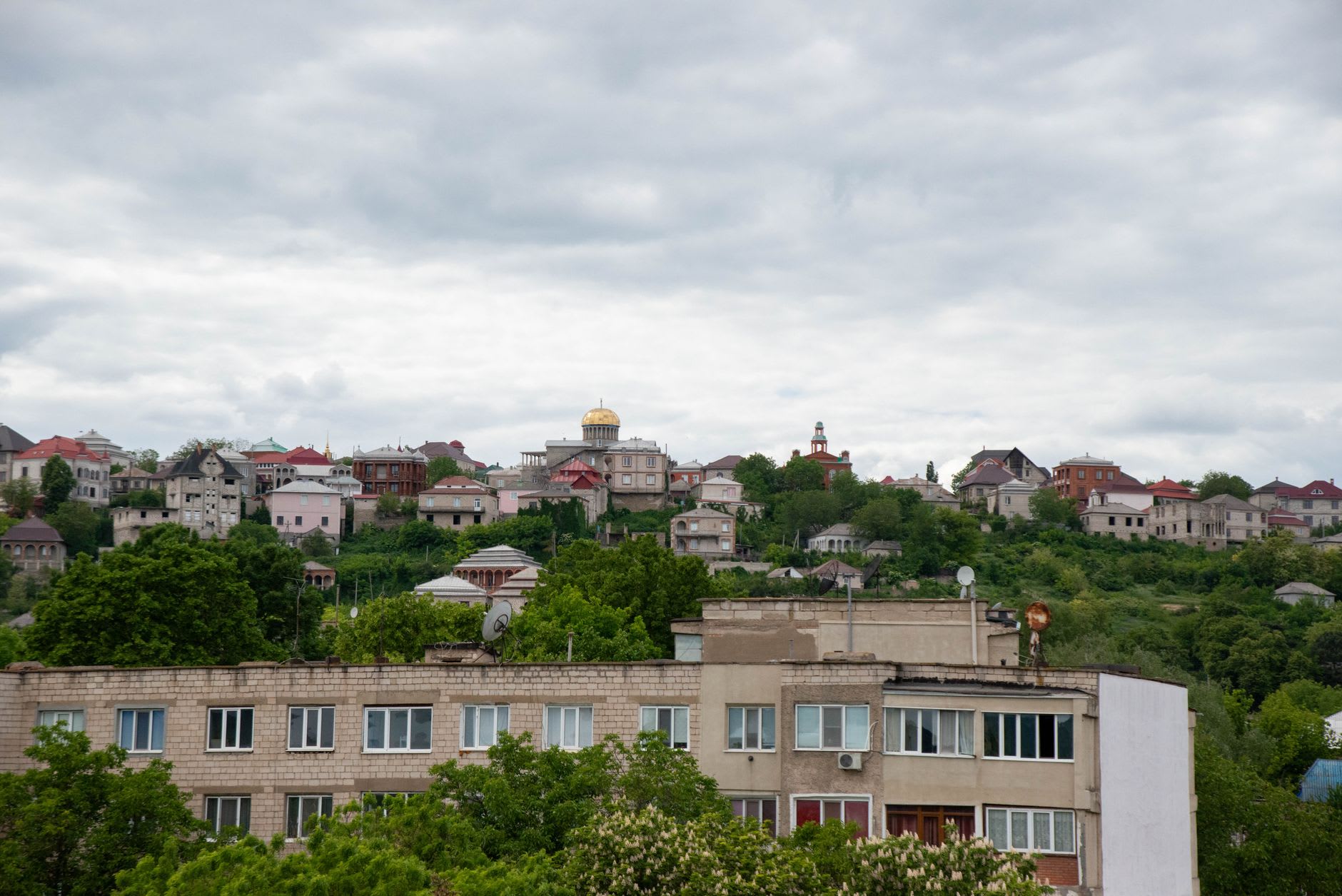
The village of Mileștii Mici above the tunnels has about four hundred inhabitants. There is a school, a church, a small football pitch. The tunnel entrance is at one end of the village and is so unassuming that if you didn’t have an address you could drive past it without registering anything remarkable. This combination — the utter ordinariness of the surface and the extraordinary repository beneath it — is the thing I find myself still thinking about months later. Europe contains multitudes, and some of them are stored at 12 degrees Celsius in the chalk.
When to go: Mileștii Mici accepts visitors year-round, Tuesday through Sunday, by prior reservation only. The underground tour takes between two and three hours. The collection’s showpiece tasting — including aged vintages — must be booked in advance and costs more than the standard visit but remains extraordinarily good value. The winery is about fifteen kilometers south of Chișinău.