Cricova
"You drive a car underground and the street signs say Chardonnay and Merlot. At some point you stop questioning it."
The guide handed me a hard hat at the entrance — not because of low ceilings, she explained, but because it was regulation. Then the electric cart descended into the earth and the temperature dropped twelve degrees in thirty seconds and the smell hit: chalk and cold and oak and something sweetly fungal that I couldn’t name precisely but recognized immediately as a smell associated with very good wine. Cricova is not metaphorically underground. It is literally a city beneath a city, carved out of the limestone that was quarried here for centuries, and it is one of the more genuinely strange places I have ever put myself.
The tunnels are wide enough for cars — real cars, not miniatures — and the main arteries are named after the grapes they store. I rode past the Pinot Noir intersection toward the Chardonnay district, past iron doors set into the rock that opened onto storage rooms holding tens of thousands of bottles, their labels barely visible in the diffuse light. The whole complex covers about 120 kilometers. Not all of it is open, and not all of it holds wine — some sections are sealed, including the room where Yuri Gagarin allegedly drank so appreciatively that he stayed for two days and launched into space significantly behind schedule. They tell this story with great pride and I have no reason to doubt it.

The collection that is open to visitors includes sparkling wines, red wines, and a section of extraordinary old bottles — pre-war vintages from the 1930s and 40s, Tsarist-era Bessarabian wines, even a few bottles from the nineteenth century that somehow survived the collectivization period when the cellars were absorbed into the Soviet state enterprise. Standing in front of a 1902 Bessarabian wine that smelled of dust and candle wax through its sealed cork, I had the specific feeling you get near old things that have been very well preserved: a kind of awe that is also slightly melancholy, because time is visible in a way it usually isn’t.
The tasting at the end takes place in a room that functions as both dining hall and showroom. The sparkling wine — Moldova produces méthode champenoise at scale, a fact that surprises most visitors — is clean and slightly mineral. The Cabernet Sauvignon is full-bodied without being heavy. The guide poured five wines in forty minutes and explained each one with the mixture of technical knowledge and genuine pride that you hear from people who work in cellars and believe in what they store. An older French couple at the table next to me had driven from Paris specifically for this. They said they came every three years. I asked what kept bringing them back. The woman smiled. “Price,” she said, “and then after the first visit, something else entirely.”

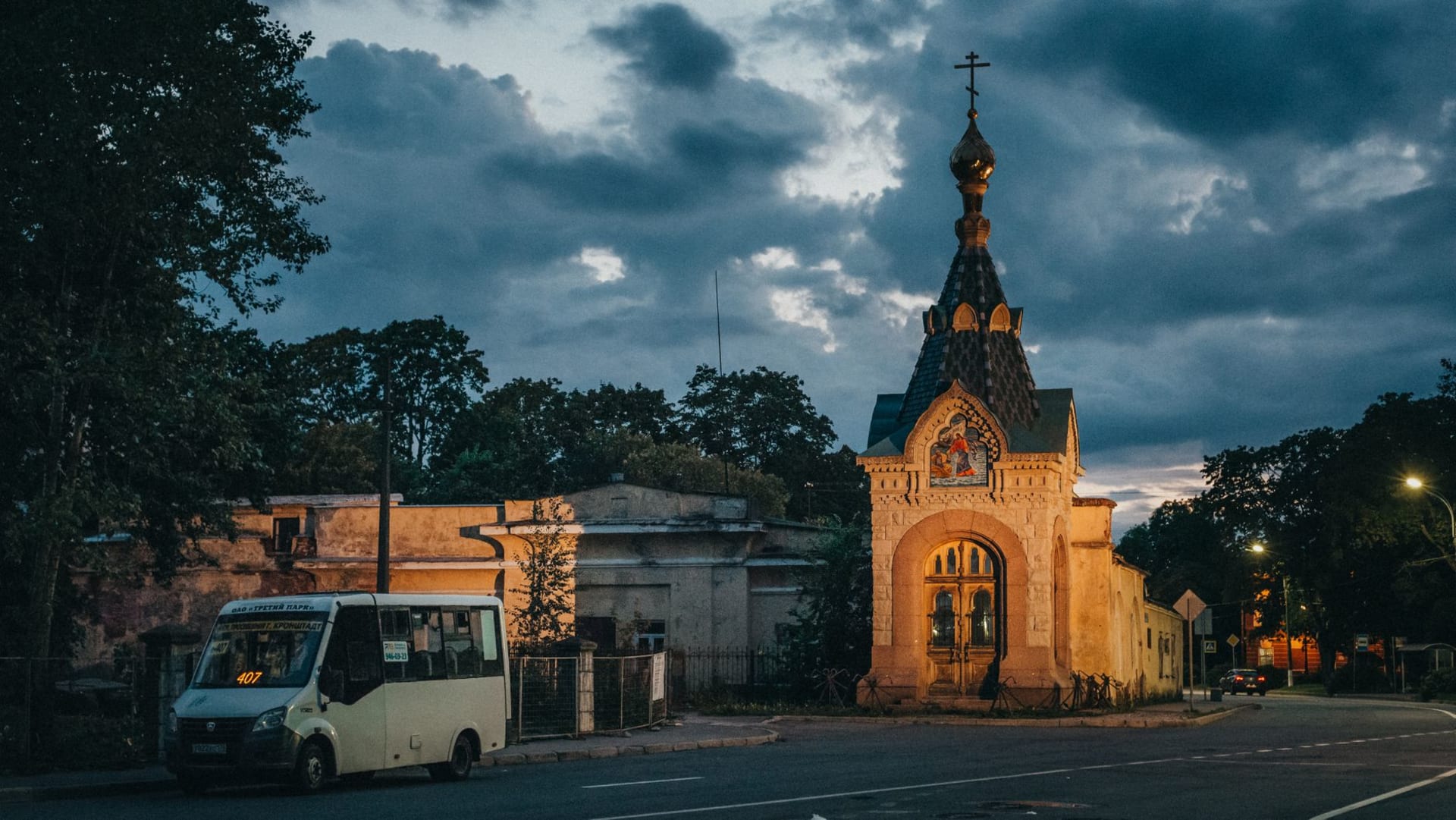
The village of Cricova above ground is ordinary enough — a small Moldovan town with apartment blocks and a church and a bus stop. The contrast with what lies beneath it is so complete that it becomes part of the experience. You emerge from the earth into flat afternoon light, blinking, and the village looks, for a moment, surreal. Then a dog barks at a passing bicycle and everything settles back into the mundane. It is a good reminder that the extraordinary and the ordinary always share the same address.
When to go: Cricova is open year-round and the underground temperature stays constant at 12°C regardless of season. Book tours in advance from September through October when harvest-season visitor numbers peak. Midweek visits are quieter and the guides have more time. The drive from Chișinău takes about twenty minutes.