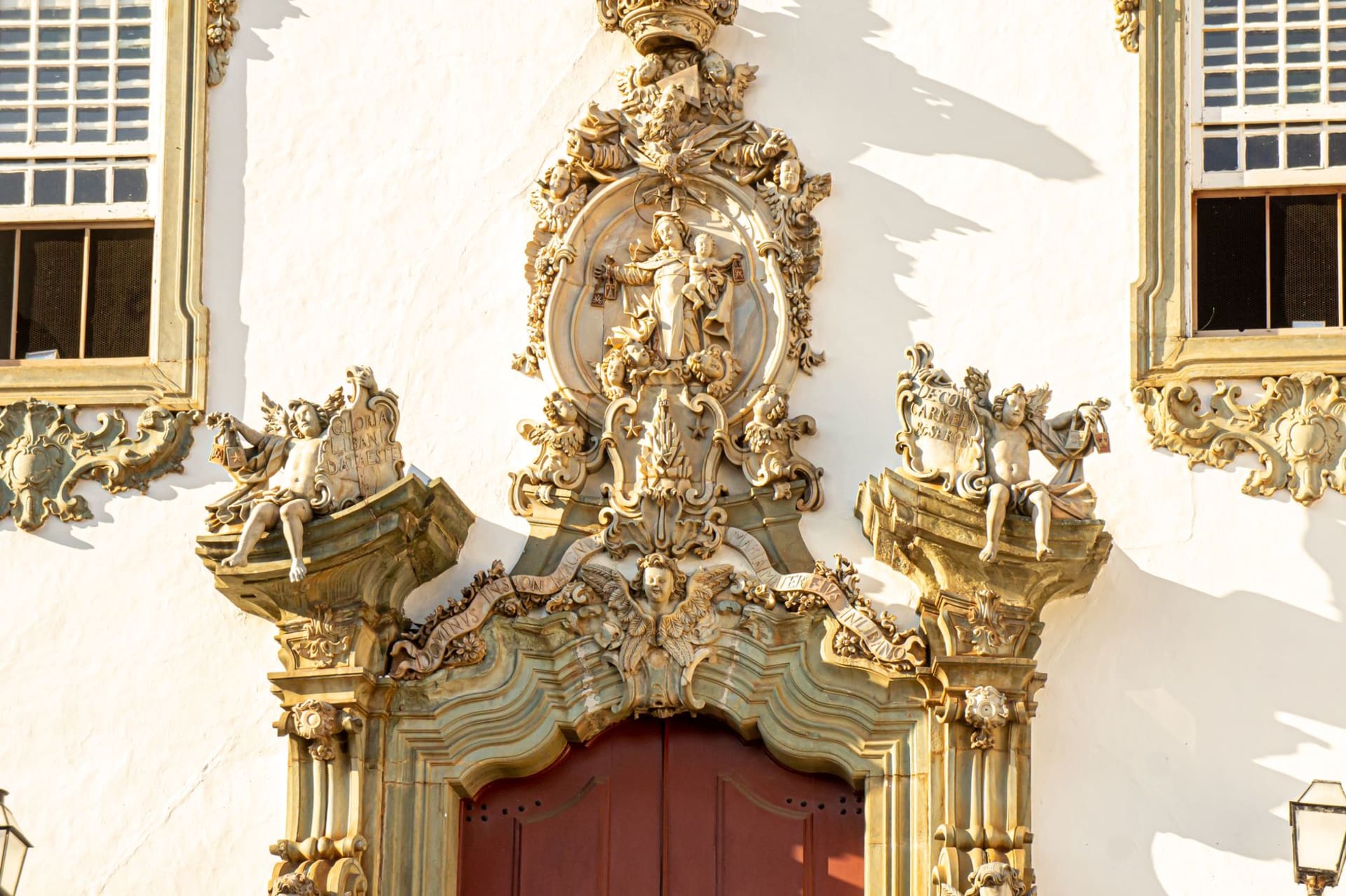
São João del-Rei
"Every town in Minas has a story it tells about itself. São João's is about the train that refused to stop running."
The thing about São João del-Rei is the train station. Not the train — I’ll get to that — but the station itself, a 1930s building on the Avenida Hermílio Alves that has the bones of something grand and the particular sadness of a building whose purpose has narrowed below its architecture. Inside, the waiting room has wooden benches worn to a polish by a century of waiting, a ticket window with iron grilles, departure boards that list only two destinations. The steam engines — genuine 1880s British Baldwin locomotives — sit in the adjacent museum shed on weekdays and come to life on Fridays and weekends for the run to Tiradentes and back.
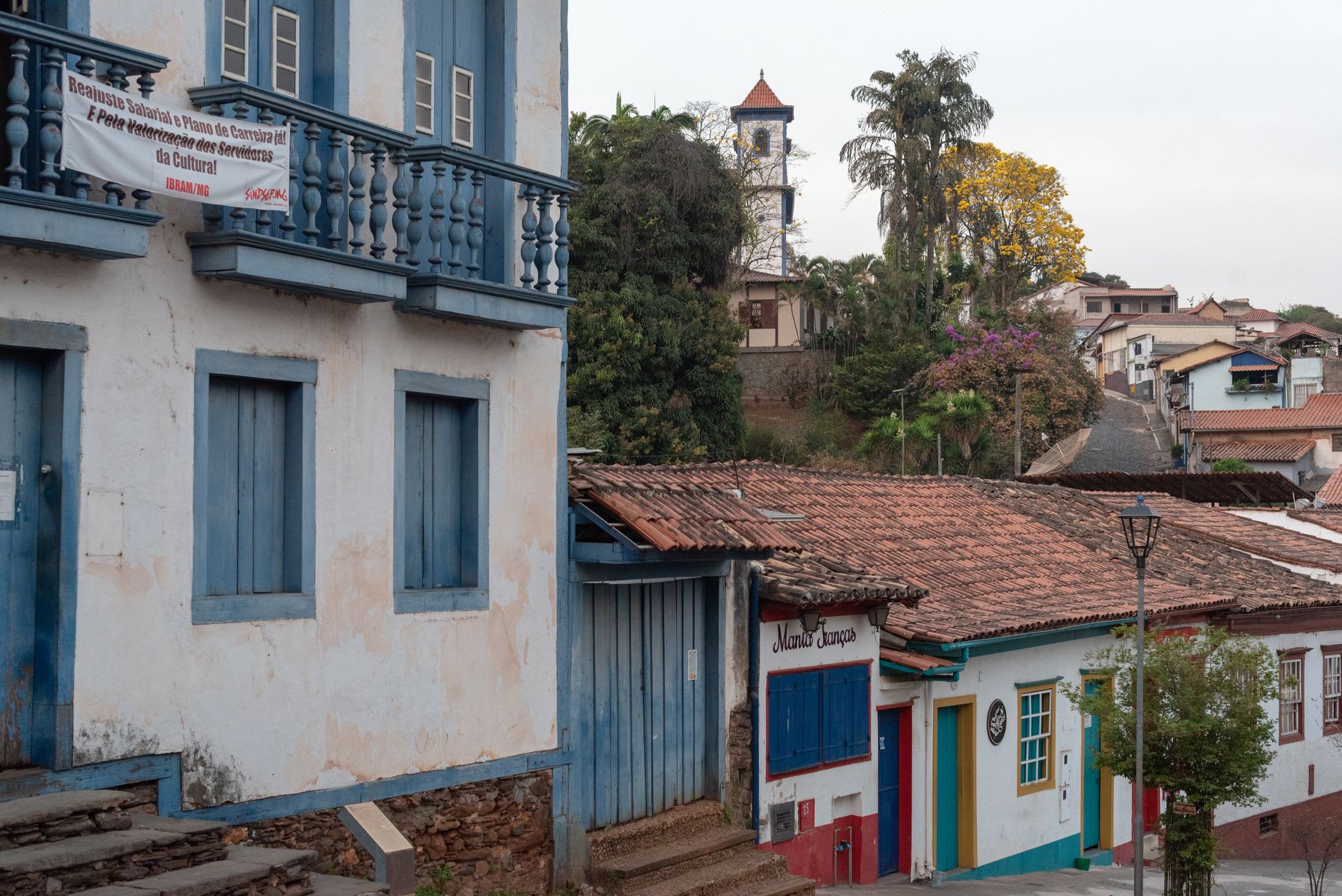
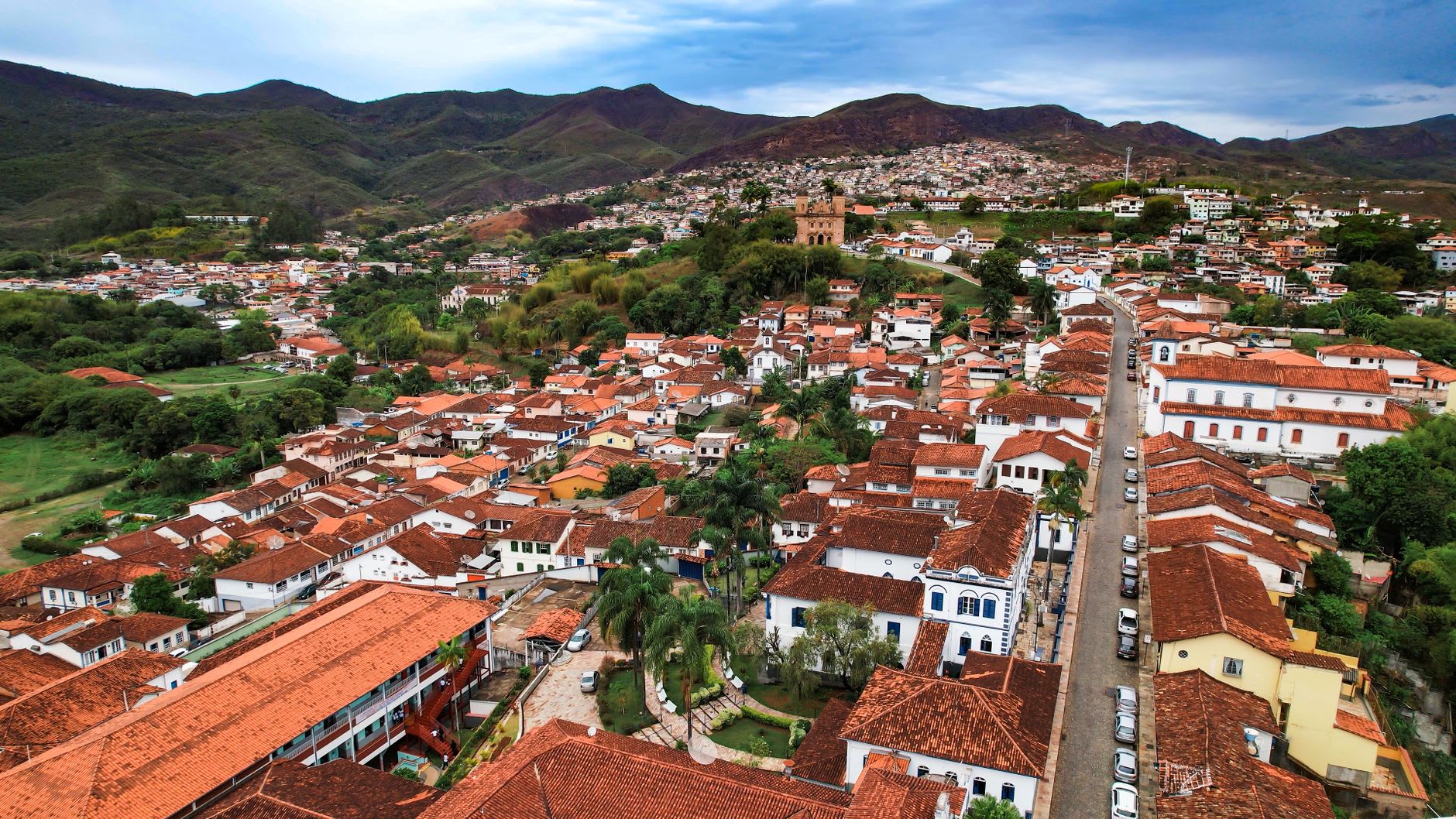
I had arrived from Tiradentes on the previous train and found São João entirely different in temperament: larger, more animated, less curated. This is a real city — forty thousand people, a federal university, a thriving baroque church calendar — rather than a preserved-in-amber colonial exhibition. The Rio das Mortes runs through it in two branches, crossed by graceful stone bridges, and the waterfront has the easy atmosphere of a place where people come to sit rather than to look at things. I sat on the Ponte do Rosário in the late afternoon and watched a group of teenagers kick a ball against a church wall and felt the comfortable friction of the present and the past occupying the same space without either apologizing.
The church calendar here is remarkable. São João has twelve baroque churches in active use — confraternities that maintain their own orchestras, processions on feast days, interiors where the gold leaf is kept polished rather than left to atmospherically oxidize for tourists. The Catedral de Nossa Senhora do Pilar, on the main praça, has an interior that rivals Ouro Preto and a weekday mass attended by enough old women in mantillas to make you feel you have slipped a century sideways. The music is live: an orchestra of strings and wind, an eighteenth-century repertoire, played on instruments the confraternity has maintained for generations.
Tancredo Neves — the Brazilian president who died before he could be inaugurated, the last democratic hope of the military-era transition — was born here, and his house on the Rua Padre José Maria Xavier is a small, dignified museum. The rooms are preserved as they were in his childhood, a soberness that contrasts with the enormous weight of historical feeling Brazilians attach to his name. I walked through it on a Tuesday afternoon with two old men who seemed to know each other and who spent the whole tour having a quiet argument about something I couldn’t quite follow. The guide left them to it.
The food in São João is unpretentious and correct. There are self-service restaurants on every block near the center serving the standard Minas plate — rice, beans, couve, a protein — at prices that seem calibrated for the university students rather than for visitors. I ate well here for two days for almost nothing and drank locally produced beer on the riverfront while the sunset turned the stone bridges orange and a man played pagode on a guitar from a plastic chair on the other bank.
When to go: The Semana Santa (Holy Week) processions are among the most spectacular in Brazil — São João’s confraternities stage outdoor Passion plays with eighteenth-century costumes and live music. The train to Tiradentes runs Fridays through Sundays. April through July is the best window for both.