Americas
Minas Gerais
"Ouro Preto made me understand why people built empires — and why empires end."
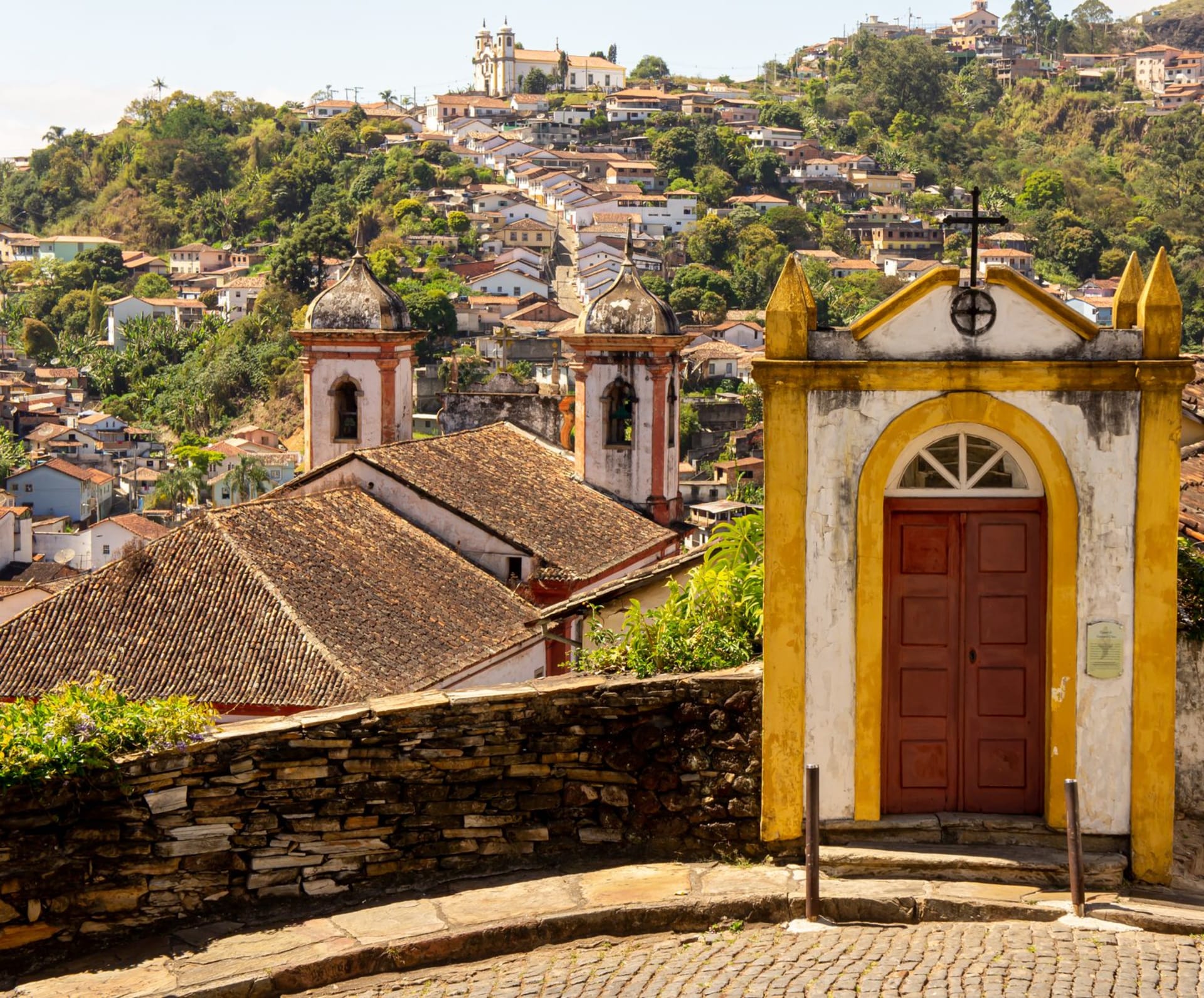
I arrived in Ouro Preto on a bus from Belo Horizonte that spent the last hour winding up into green hills, the town revealing itself in fragments through the windows — a church tower here, a cobblestone alley there, then suddenly the whole colonial panorama spread across a ridgeline like a film set that forgot to be modest. The altitude hit me immediately. So did the cold, which nobody warns you about when they’re telling you Brazil is hot. Minas Gerais is not the Brazil of beaches and carnival. It is the Brazil of stone churches, mineshafts, and the best cheese you will eat anywhere in South America.
The state made its fortune in gold and diamonds in the eighteenth century, and the money went into architecture before it went anywhere else. Ouro Preto alone has thirteen baroque churches, several of them decorated by Aleijadinho — a sculptor who worked in soapstone and wood despite losing the use of his hands to disease, his chisels strapped to his arms. Standing in front of the prophets he carved for the Santuário do Bom Jesus de Matosinhos in Congonhas, I felt the particular silence that falls when you are looking at something made under conditions that should have made it impossible. Tiradentes, an hour south, is smaller and quieter — white facades, horses in the street, a level of prettiness that tips occasionally into precious but recovers itself at dinner.
The food is the thing that keeps me thinking about Minas Gerais long after I’ve left. Feijão tropeiro — beans cooked with cassava flour, bacon, and egg — sounds like peasant fuel and delivers exactly that, which is a compliment. Pão de queijo here is not the frozen supermarket version the rest of Brazil exports; it’s pulled hot from a wood oven and deflates slightly when you bite into it, the cheese still stringy. The cachaça is aged in native wood barrels in small distilleries in the hills around Salinas, and drinking it neat at room temperature is a completely different experience from anything you’ve had with lime and sugar. And the queijo minas — the fresh white cheese that appears on every table, at every meal — has a mild acidity that I have tried and failed to replicate since returning to Mexico.
When to go: April through September is dry season and the most comfortable for walking the steep cobblestoned streets of the colonial towns. June and July bring the Festas Juninas, raucous and genuinely local. Avoid January and February if you can — the rains are serious in the hills, and some roads wash out.
What most guides get wrong: They treat Minas Gerais as a one-city trip — fly into Belo Horizonte, day-trip to Ouro Preto, leave. This misses the point entirely. The state is enormous and the interest is distributed: Diamantina in the north is rawer and less touristed, Tiradentes is gentler, Congonhas has the Aleijadinho sculptures that are arguably the finest art produced in the Americas before the twentieth century. Rent a car or commit to the buses, and give it at least five days. The food alone demands it.