Mariana
"Mariana taught me that gold towns keep two kinds of memory: the gilded one on the altars, and the one buried downstream."
Brazil's first colonial capital, where baroque churches, a 1701 German organ, and a steam train hold the memory of gold and grief.
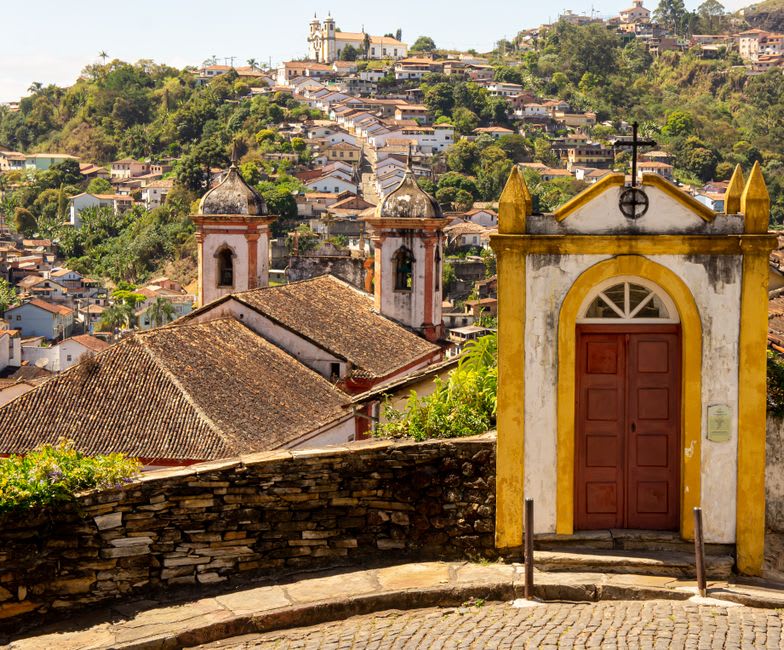
We came to Mariana almost as an afterthought, a half-day trip tacked onto our time in Ouro Preto, and I remember feeling a little sheepish about that once we arrived. This was the first one — founded in 1696 as Arraial Novo do Padre Faria, elevated in 1745 to become Brazil’s first colonial-era city, and for a while the actual capital of Minas Gerais before Ouro Preto took over that title. Lia pointed out, half-joking, that we’d basically gone to see the sequel before the original. Walking into the historic center that morning, past facades the color of weak tea and mustard, I understood why people say Mariana feels quieter and less performed than its more famous neighbor.
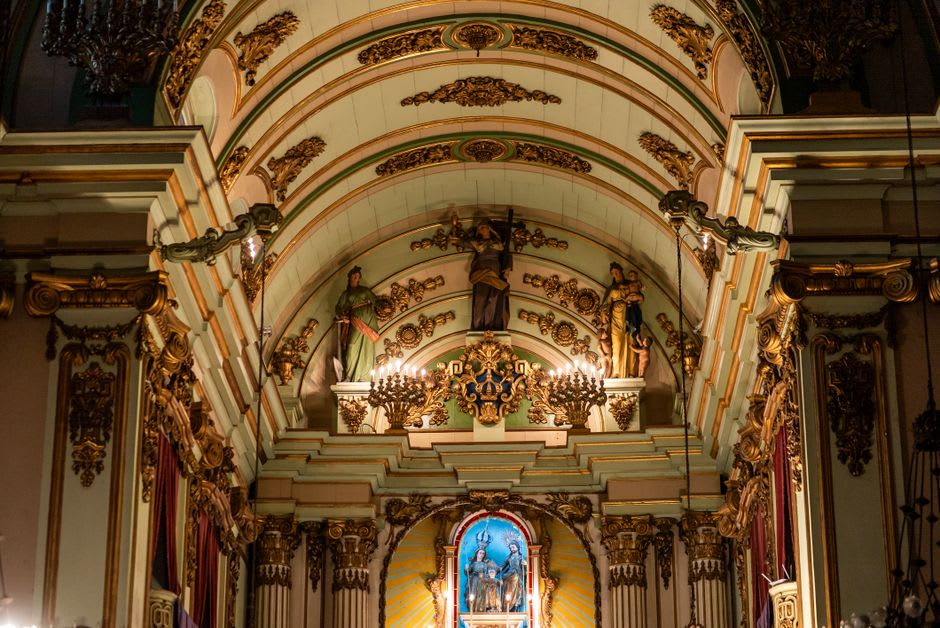
We spent a long stretch inside the Cathedral of Nossa Senhora da Assunção, mostly because of the organ. It’s a German pipe organ from 1701, still played in concerts today, and the docent let us stand close enough to see the hand-carved pipework while she explained how they still tune it by ear. I’m not a religious person, but something about that sound filling a nearly-300-year-old stone nave got to me — Lia had to nudge me to keep walking. From there we wandered to the Basilica of São Francisco de Assis, one of the finest baroque churches I’ve seen in Minas, its interior gold-leafed in a way that felt less like wealth on display and more like a whole town’s labor compressed into wood and paint.
What stayed with me longer than the churches, though, was the drive in. Mariana sits at the historic heart of Brazil’s colonial gold-mining district, and it’s also close to the site of the 2015 Fundão tailings dam collapse — one of Brazil’s worst environmental disasters, which released a wave of mining waste down the Rio Doce. Our taxi driver mentioned it unprompted, gesturing vaguely toward the hills, and his voice changed in a way I still think about. It’s strange to sit in a plaza built on 18th-century gold wealth and realize the same industry that built those churches is still, in a different form, reshaping the land and the lives around it. I didn’t want to turn the trip into something heavier than it was, but I also didn’t want to pretend that history wasn’t sitting right there with us.
We ended the day the way I think most people should: riding the Maria Fumaça, the narrow-gauge steam train that still runs its short heritage route between Mariana and Ouro Preto. It’s touristy, sure — the whistle, the smoke curling back over the windows, kids waving from the trackside — but Lia and I held hands the whole ride and didn’t say much. Sometimes that’s the right response to a place that’s given you more than you expected.
When to go: Aim for April to September, when the dry season keeps the cobblestones and hillside paths comfortable underfoot — we were grateful not to be dodging afternoon downpours while wandering between churches.
Keep exploring
More from Minas Gerais
 minas-gerais
 Ouro Preto
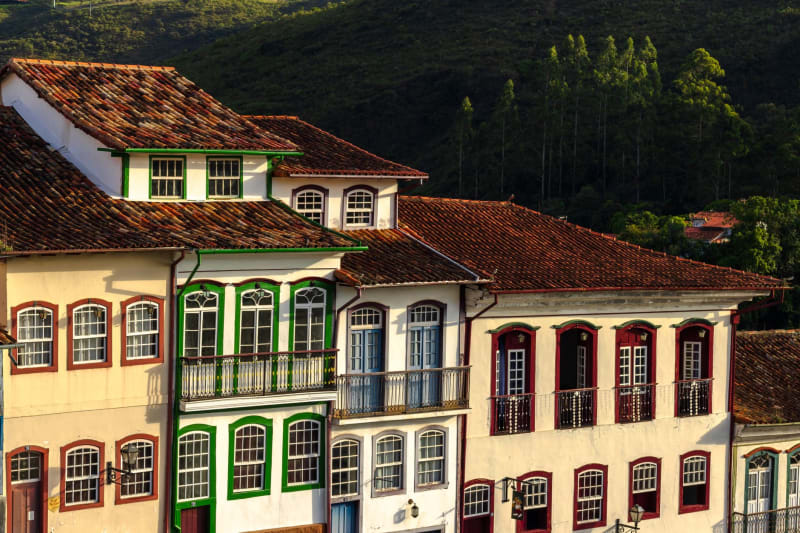
Brazil's most intact baroque city, where thirteen churches crown a cold hillside that once dripped with colonial gold.
Explore minas-gerais
 Salinas
The undisputed cachaça capital of Brazil, where small-batch distilleries age spirits in native wood barrels and the town smells faintly of fermentation.
Explore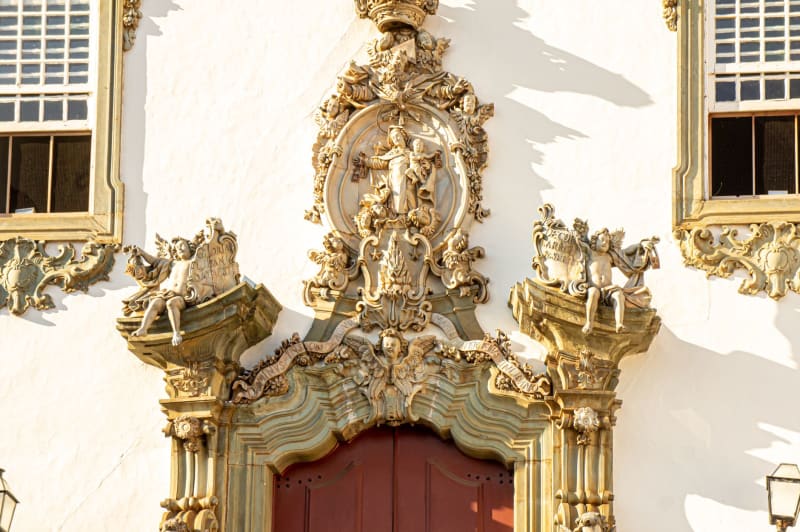 minas-gerais
 São João del-Rei
A colonial town split by two rivers and connected to Tiradentes by a steam train that has run continuously since 1881.
Explore minas-gerais
 São Thomé das Letras
A stone town on a quartzite plateau where UFO believers, hippies and miners have lived side by side since the 1970s.
Explore minas-gerais
 Serro
A forgotten colonial town in the mountains where the queijo minas has protected origin status and time moves at the speed of cattle.
Explore minas-gerais
 Tiradentes
A colonial town so composed it looks painted, with horses in the streets and a restaurant scene that punches well above its size.
Explore