Capitólio
"I kept reminding myself this lake is artificial, and I kept failing to care, which I think is the whole point."
I did not expect to like Capitólio as much as I did. It has a reputation in Brazil as a place for influencers — the canyons show up endlessly on Instagram, always with the same caption about paradise — and I arrived prepared to be quietly superior about the whole thing. Then the boat turned a corner into the first gorge, the walls rose up green and sheer on both sides, and a waterfall poured straight off the rim into the lake beside us, and I put my phone away and just looked. Sometimes the influencers are right. It is annoying.
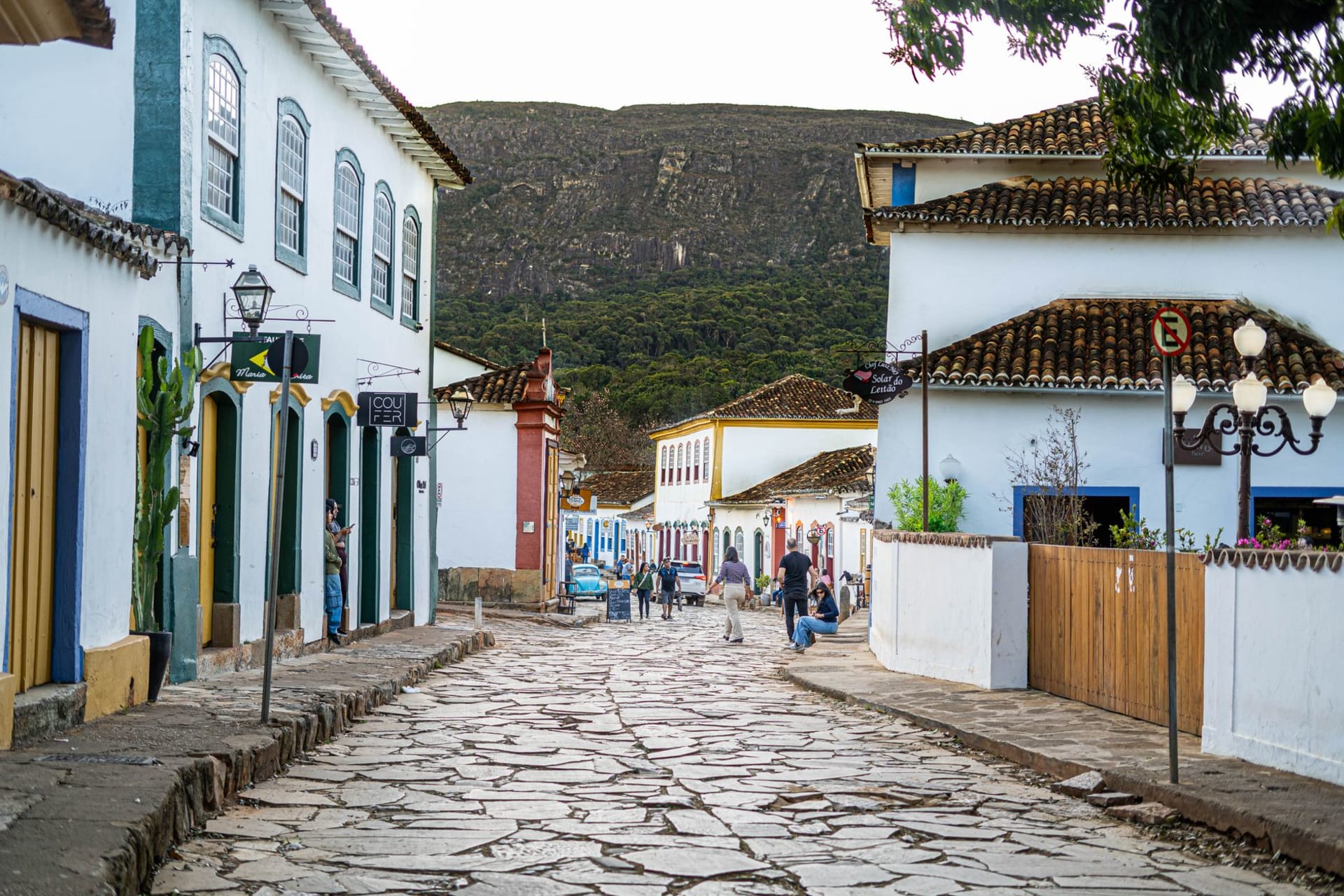
Capitólio sits in the south of Minas Gerais, a small town of cobbled streets and pousadas that has built its whole economy around the Furnas reservoir, a vast artificial lake created when a hydroelectric dam flooded the valleys of the Rio Grande in the 1960s. The water rose and turned the old hilltops into islands and the old gorges into navigable canyons. What you cruise through now is a landscape that drowned, and somehow became more beautiful for it.
Into the canyons
The classic outing is the boat trip to the Cânions de Furnas, a cluster of narrow gorges where the walls press in close and the water sits a startling milky turquoise, colored by minerals from the surrounding rock. Most boats stop and let people swim, and there is a particular pleasure in floating in cool water between two cliffs while a waterfall comes down a few meters away. Lia, who is suspicious of organized tours on principle, admitted afterward that she had enjoyed it, which she said in the tone of someone confessing a minor crime.

The boats range from large party barges with loud music to small private launches, and the experience varies wildly depending on which you choose. We went with a local boatman named Geraldo who had grown up in the area and remembered, vaguely, the valley before it flooded — or claimed to, anyway, since he would have been a small child. He pointed out where a church steeple still pokes above the water at low season and told us about a town that lies entirely submerged, its streets and houses still down there in the dark. I have no way to verify any of it. I chose to believe all of it.
The waterfalls and the hills
Beyond the lake, the hills around Capitólio are full of waterfalls, and renting a car or a motorbike to chase them is the best way to spend a second day. The Cachoeira Lagoa Azul and the cluster of falls along the way are less photographed than the canyons and, for that reason, better. We swam at one of them with no one else around, the water cold enough to make Lia shriek and then pretend she hadn’t.

There is also the matter of the food, which in this part of Minas is taken with the seriousness it deserves. We ate frango com quiabo and tutu de feijão at a roadside place with a wood stove and a view of the hills, and the woman running it refused to let us leave until we had tried her doce de leite. I have eaten a great deal of doce de leite in Brazil. Hers was the best.
When to go
The dry season from April to September gives the most reliable weather and the clearest water in the canyons, though it also brings the crowds, especially around Brazilian holidays and weekends. Go midweek if you can. The rainy summer months feed the waterfalls but can muddy the lake and make the dirt roads to the falls difficult. Book boats in advance in high season, and consider a smaller private boat over the party barges unless loud funk over open water is your idea of nature.