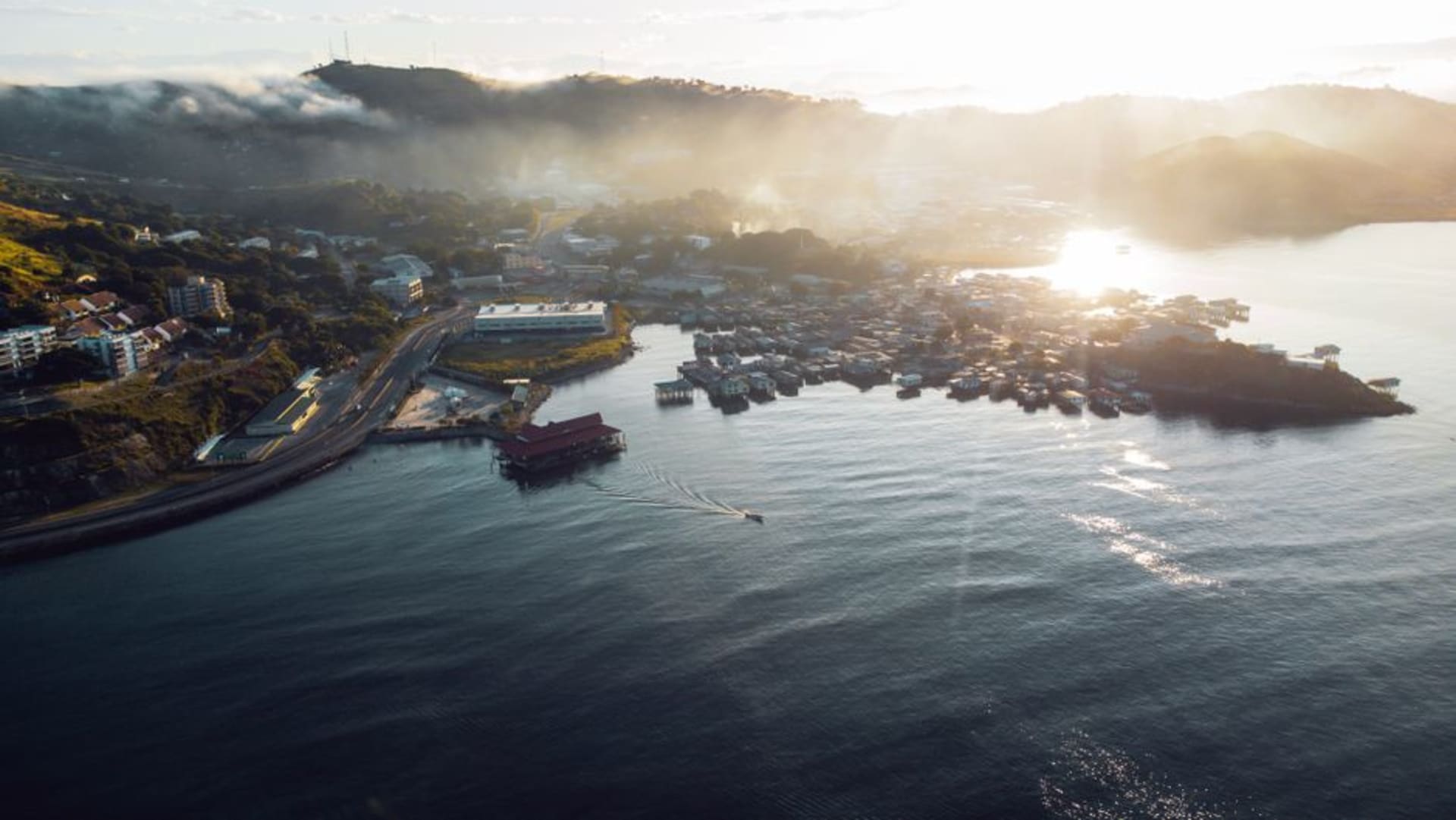
Weno
"Everyone comes to Chuuk for what's underwater. Weno is what's above it, and it deserves a day of your attention."
The scruffy, potholed, unexpectedly warm main island of Chuuk, where the war history sits on land instead of underwater.
Most people who fly into Chuuk land on Weno and leave within the hour, ferried straight to a liveaboard or a dive resort without ever really looking at the town itself. I understand the impulse — Weno’s main road is a single potholed strip that floods after any real rain, the buildings have the sun-bleached, slightly abandoned look common across the outer Pacific, and there isn’t an obvious postcard moment waiting for you at the airport. But I stayed three nights on Weno between dive trips and came away thinking it’s one of the more honest towns I’ve visited in Micronesia, precisely because it isn’t performing for anyone.
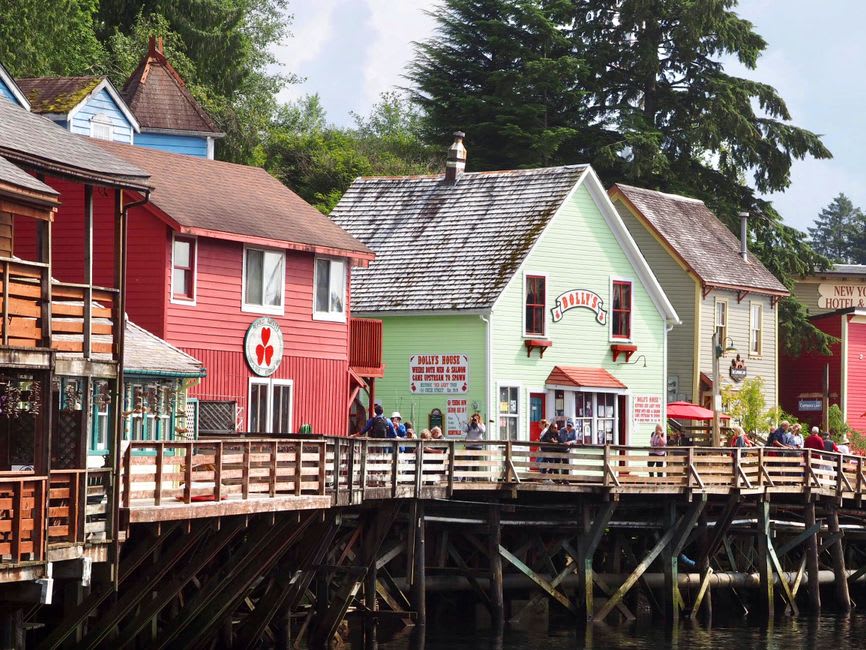
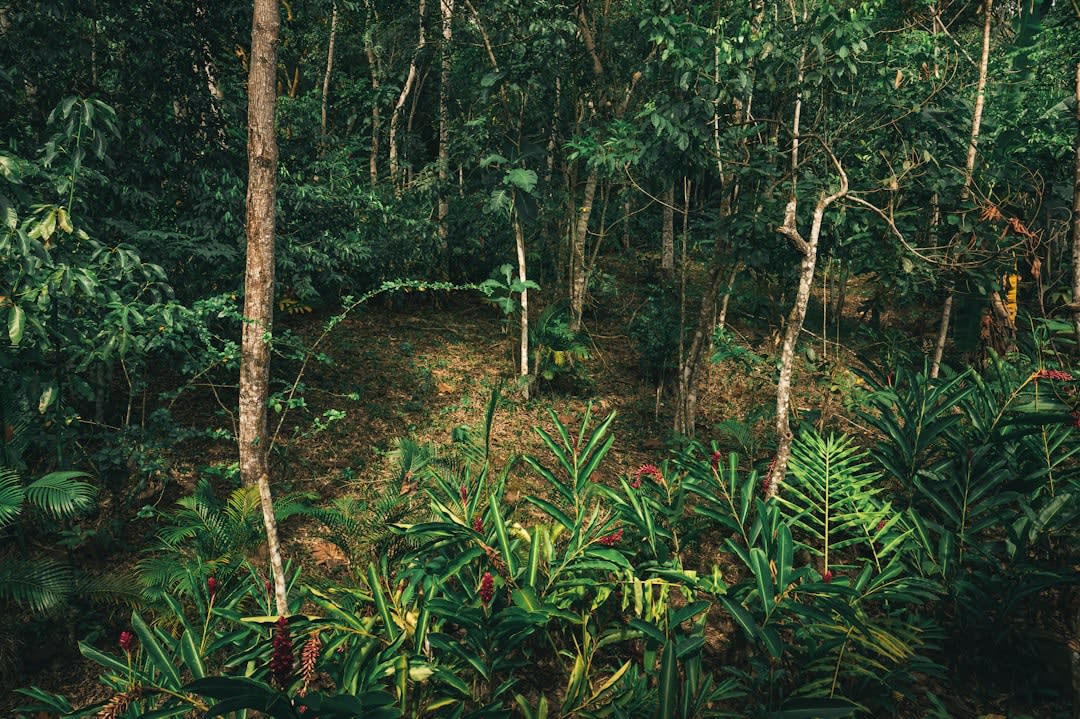
The island was the operational headquarters of the Japanese Fourth Fleet during World War II, and unlike the wrecks in the lagoon, which require a wetsuit and a dive certification, the land relics are just sitting there in the open, half-swallowed by jungle. I hiked up to a hillside gun emplacement above the airport with a local kid who’d clearly done this walk a hundred times and pointed out bullet-scarred concrete bunkers, a rusted anti-aircraft gun still aimed at a sky it hasn’t needed to watch in eighty years, and a lookout post with a view over the entire lagoon that made the scale of Operation Hailstone suddenly comprehensible in a way the underwater wrecks, oddly, hadn’t. You could see where the fleet had been anchored. You could see how trapped it was.
The market near the town center runs most mornings — betel nut, reef fish, bananas, secondhand clothes from a container that arrived on the last supply ship — and it’s a good place to just sit with a coffee and watch Chuukese life happen at its own unhurried pace. People were generous with conversation once I’d clearly settled in rather than just passing through with a camera. An older man who ran a small trade store told me about growing up on Weno in the sixties, when the lagoon was still full of visible wreckage breaking the surface before salvage crews and the ocean itself slowly pulled it under.
When to go: Weno works year-round as a stopover, since most visitors are here between dive days rather than for Weno itself, but the dry season from December to April keeps the roads passable and the humidity a notch more bearable.