Pacific
Micronesia
"I went for the diving and discovered a silence I didn't know I needed."
I flew into Pohnpei with a broken dive computer and no real plan, which turned out to be exactly the right way to arrive. The capital of the Federated States of Micronesia is not a place that rewards itineraries. It rains almost every day, the roads turn to red mud, and the island is wrapped so densely in jungle that you can’t see the water from the center of town. What you can see, if you’re paying attention, is the ruins of Nan Madol — a city built entirely on a lagoon, stone by massive basalt stone, sometime around the thirteenth century, by a civilization that left almost no written record. I sat there in the afternoon rain for two hours and barely saw another person. That is not something that happens at a UNESCO World Heritage Site with a history this strange.
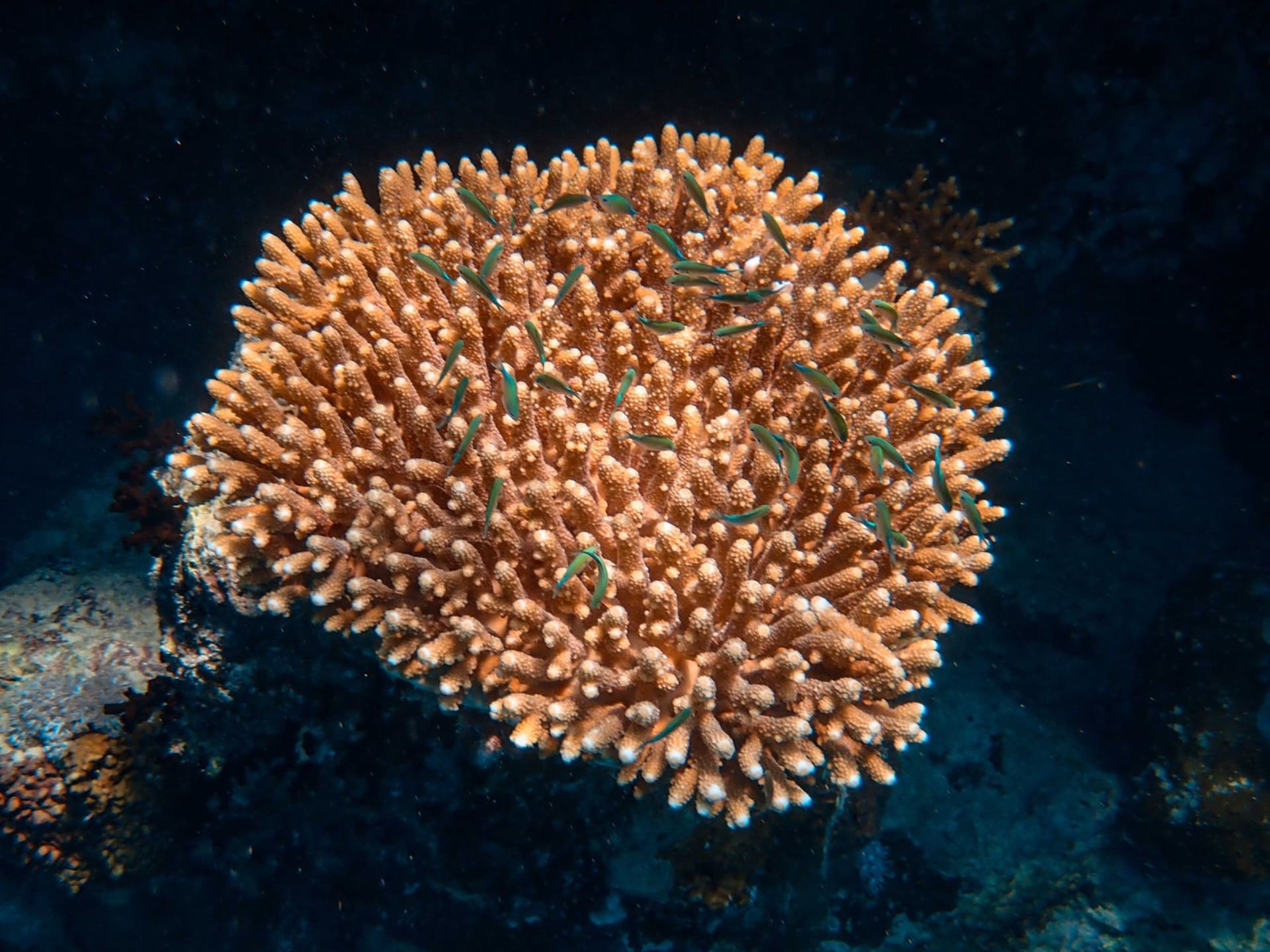
The diving is what most people come for, and it deserves every superlative it gets. Truk Lagoon — now more commonly called Chuuk — holds the wreck of an entire Japanese fleet sunk during Operation Hailstone in February 1944. Sixty-plus ships, now draped in coral, populated by lionfish and barracuda, resting at depths that make them accessible to recreational divers. I did five dives over two days and surfaced each time feeling like I had been watching a war documentary from the inside. The light filtering through a destroyer’s hull at thirty meters is something that doesn’t translate into photographs. Palau, technically a separate republic but geographically and culturally part of this Pacific world, has Jellyfish Lake — where you can swim through millions of golden jellyfish that have evolved to lose their sting — and walls of soft coral that start at the surface and drop to hundreds of meters. The marine biologists I met in Palau talked about it the way art historians talk about the Louvre.
Above the water, Micronesia rewards patience and discomfort in roughly equal measure. The infrastructure is patchy, the inter-island flights run on schedules that are more aspirational than operational, and many of the best places require a local contact or a boat. But the rewards are proportionate. Yap still practices traditional stone money — huge circular limestone discs, some too heavy to move, whose ownership is tracked through oral history. The local men on Yap wear loincloths not for tourists but because it’s Tuesday.
When to go: December to April is the dry season across most of Micronesia and the peak period for diving visibility. Typhoon season runs June through November, though Palau sits mostly outside the typhoon belt and stays viable year-round. Chuuk’s wrecks are good any time, but clearest from January to March.
What most guides get wrong: They sell Micronesia purely as a diving destination and leave everyone else with the impression there’s nothing to do if you don’t go underwater. The surface history here — Nan Madol, Yapese stone money, the WWII legacy written into every lagoon — is extraordinary on its own terms. The real problem isn’t the lack of things to do. It’s that getting between islands requires planning, patience, and a tolerance for small prop planes with creative departure times.