Saipan
"Saipan makes you hold two histories in your hands at once, and it doesn't apologize for either of them."
The former Japanese capital of the Pacific mandate, where invasion beaches, karaoke bars, and a suicide cliff sit within a few kilometers of each other.
Saipan is a strange, layered place, and I don’t think I fully appreciated that until my second day there. It’s the capital of the Commonwealth of the Northern Mariana Islands, a US territory, but before 1944 it was the administrative heart of Japan’s entire South Seas Mandate — the seat of Japanese colonial government across this whole stretch of Micronesia — and the ruins of that period, alongside the wreckage of the ferocious battle that ended it, are everywhere once you start looking, sitting alongside a modern beach resort strip built largely for Japanese, Korean, and Chinese tourists who come for very different reasons.
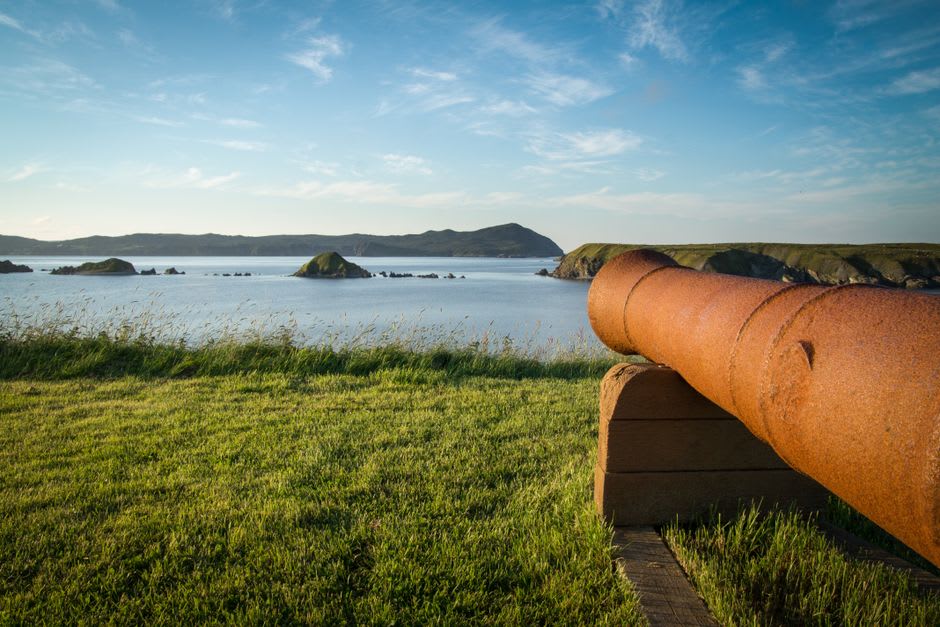
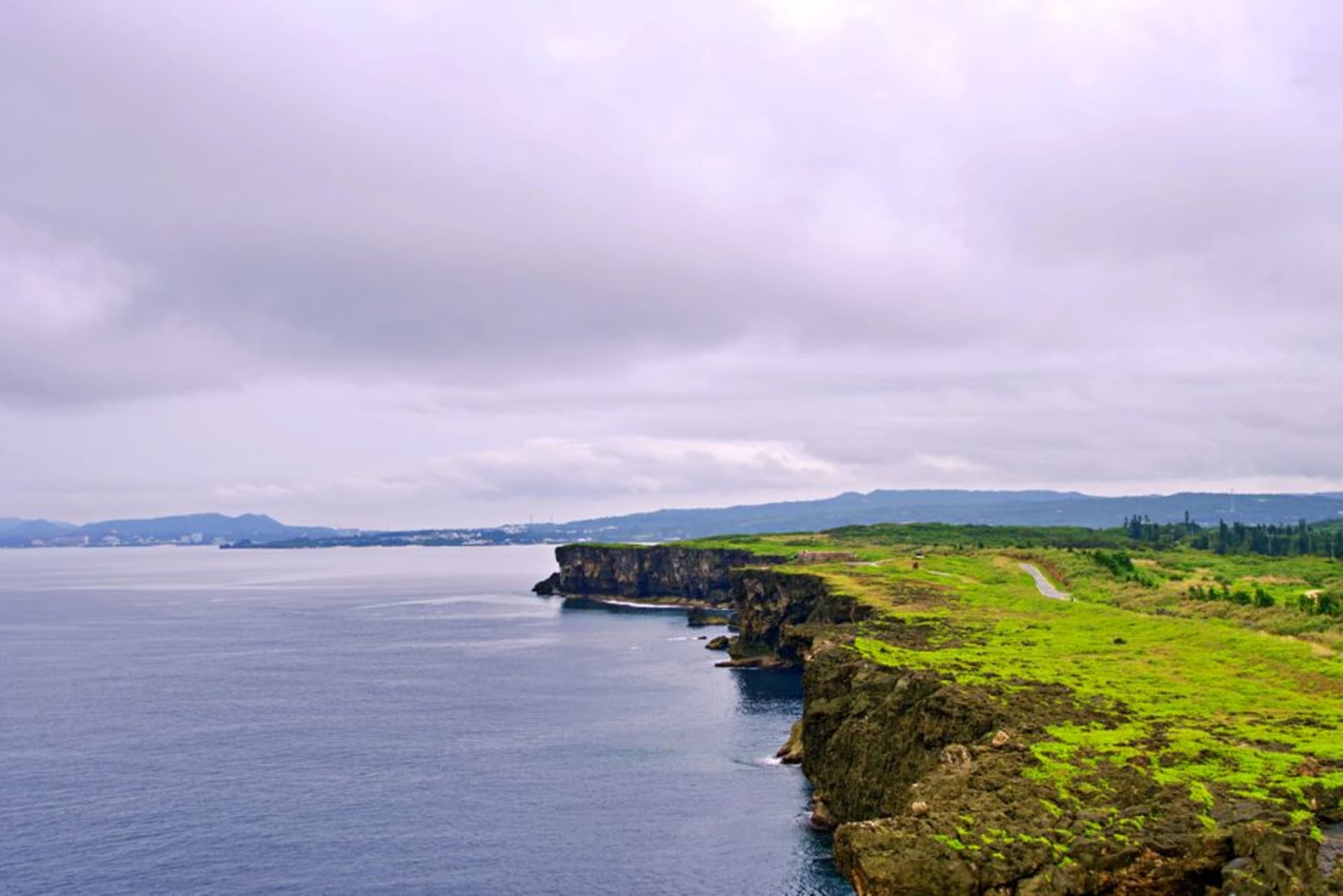
I drove up to Suicide Cliff and Banzai Cliff on the island’s northern tip, where in July 1944, in the battle’s final days, thousands of Japanese civilians and soldiers jumped to their deaths rather than surrender, believing American propaganda about what capture would mean. There are memorial markers in Japanese, Korean, and English now, and the mood at both sites is heavy in a way that’s hard to describe without sounding melodramatic — I stood at the edge for a long time, looking down at a turquoise reef that has nothing to do with what happened there, and found the contrast between the beauty of the place and the weight of its history almost impossible to reconcile. Nearby, the Last Command Post — a Japanese headquarters bunker riddled with bullet holes — sits half-swallowed by jungle, open for anyone to walk through.
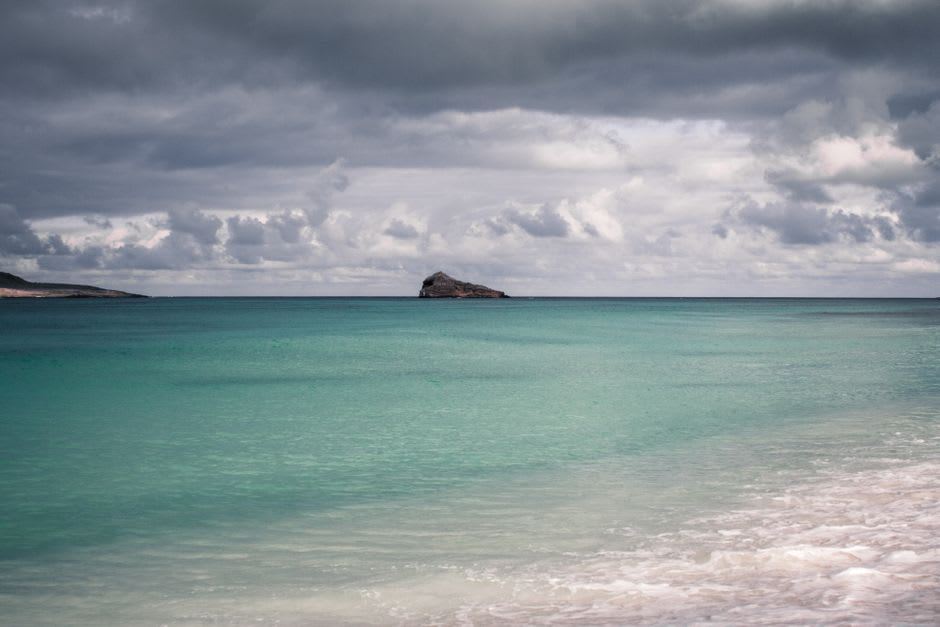
Down at sea level, Saipan is also just a genuinely good beach destination, something that gets lost under all the history if you’re not careful to make time for it. Managaha, a small uninhabited island a short boat ride from Micro Beach, has some of the calmest, clearest water I found anywhere in Micronesia, good for a lazy snorkel and not much else, which after a morning at the cliffs was exactly what I needed. I ate dinner that night at a Korean barbecue place packed with tour groups, and it struck me that Saipan holds these two identities — solemn historical site and mass-market beach holiday — without much friction, because both are simply true at once.
When to go: December to April brings the driest weather and calmest seas for the Managaha boat crossing. The historical sites are outdoors and exposed, so an early start beats the midday heat.