Peleliu
"The coral ridge is still full of rifle brass. Nobody has bothered to sweep it clean, and I think that's the right call."
A small Palauan island where the jungle has spent eighty years quietly reclaiming one of the bloodiest battlefields of the Pacific War.
The boat from Koror to Peleliu takes about ninety minutes across open water, and for most of it I was thinking about numbers I’d read the night before: over ten thousand Japanese and more than two thousand American soldiers killed in six weeks of fighting here in 1944, on an island roughly thirteen square kilometers in size, over a piece of ground the American commanders had been told would take four days to secure. Peleliu today has maybe seven hundred residents, one road that circles most of it, and a silence that feels earned rather than simply remote.
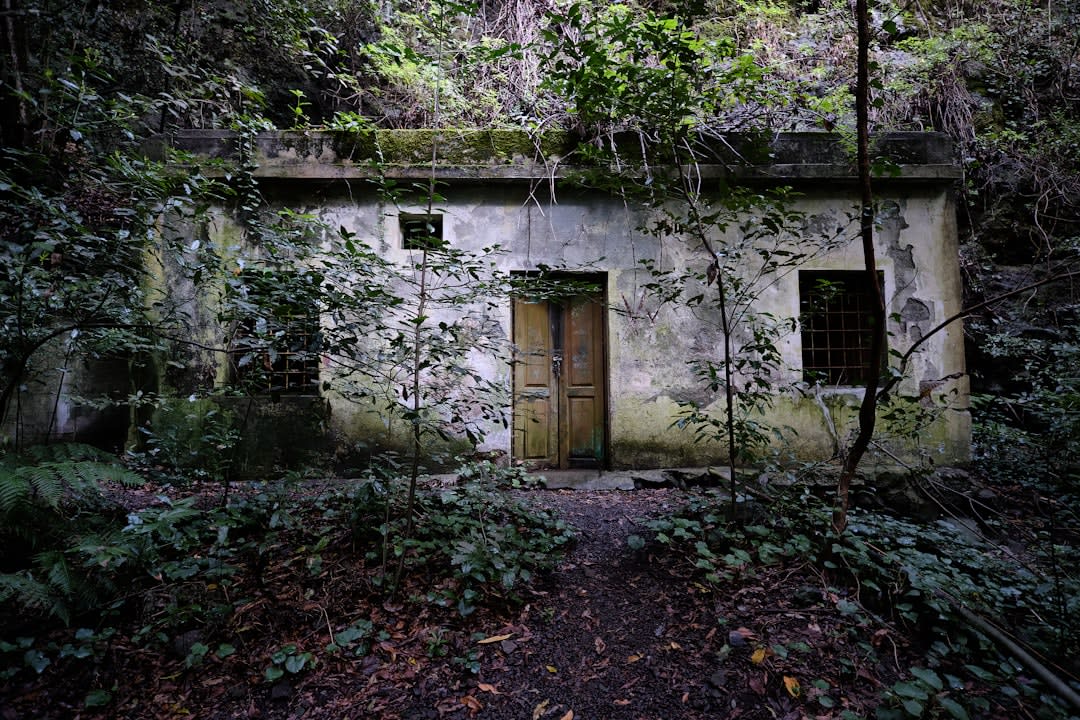
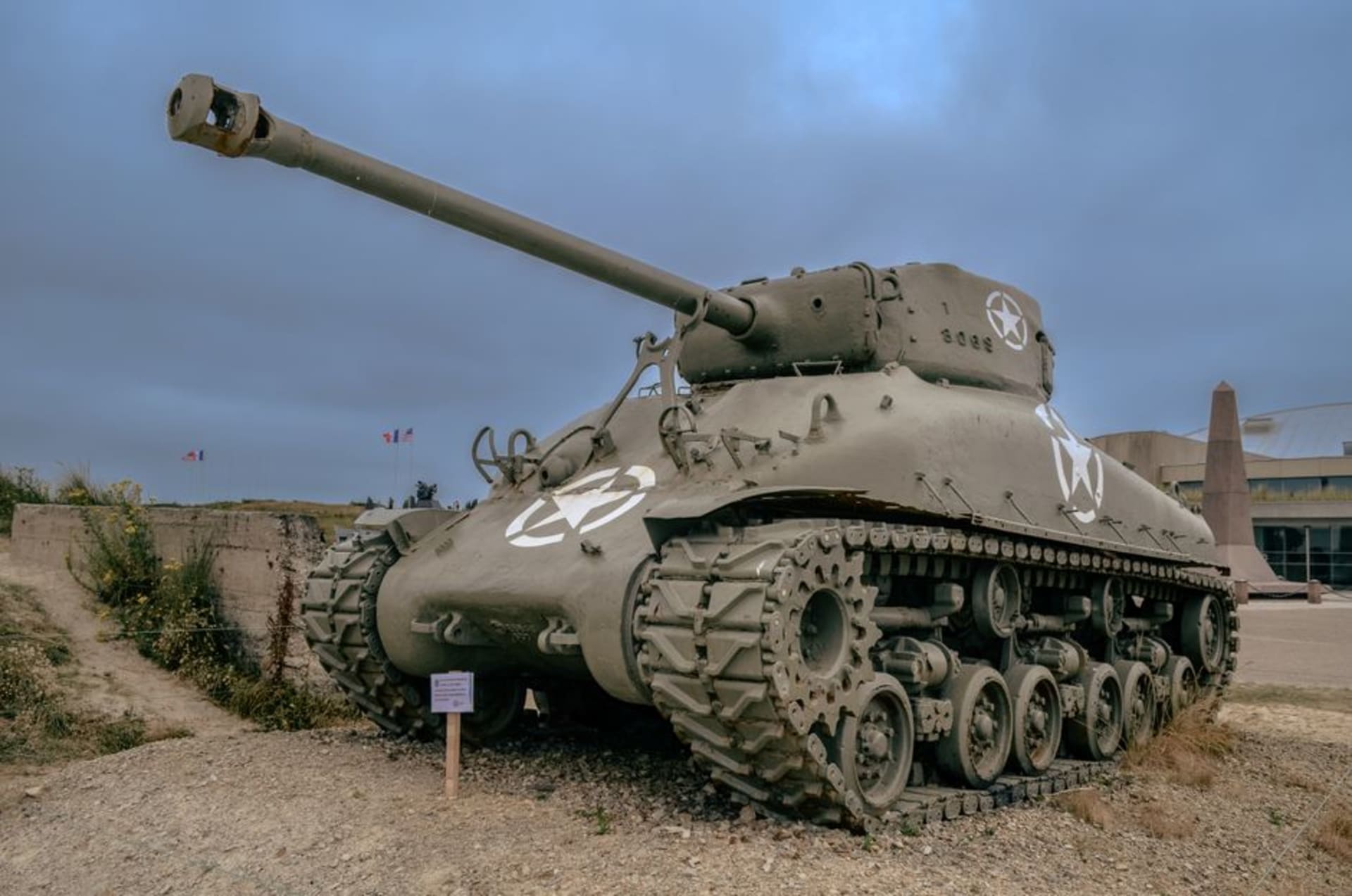
What struck me most wasn’t the museum near the boat landing, though it’s worth the twenty minutes — it’s a converted Japanese command post with photographs and personal effects recovered from the battlefield, unpretentious in a way that felt more honest than anywhere I’ve seen this kind of history curated. What struck me was walking up to Bloody Nose Ridge with a guide named Tommy, whose grandfather had survived the battle as a boy hiding in the caves, and finding the jungle floor still scattered with rifle cartridges, twisted metal, the rusted shell of a Sherman tank sitting exactly where it had been disabled. Nothing roped off. Nothing behind glass. You just walk past it, and it makes the history land differently than any museum display could.
The caves themselves — limestone tunnels the Japanese defenders used to hold out far longer than anyone expected, riddling the ridge in a network that took American forces weeks to clear — are still accessible with a local guide, some of them narrow enough that you’re crawling on your stomach through total darkness with a headlamp, imagining what it meant to fight and die in spaces this cramped. Tommy pointed out a chamber where, he said, they still occasionally find bones the searches missed decades ago. I believed him. Above ground, away from the ridge, Peleliu also has some of the best untouched diving in Palau’s waters, wall dives dropping into blue that most visitors never see because the island’s reputation is entirely about the war.
When to go: December through April for the calmest boat crossing from Koror and the clearest diving. Hire a local guide for the caves and ridge — the sites aren’t signposted, and the context matters more than the scenery here.