
Koror
"Koror isn't why you come to Palau. It's just where Palau happens to keep its harbor."
Palau's compact, scooter-noisy former capital, where every dive boat, ferry, and cold beer in the country eventually passes through.
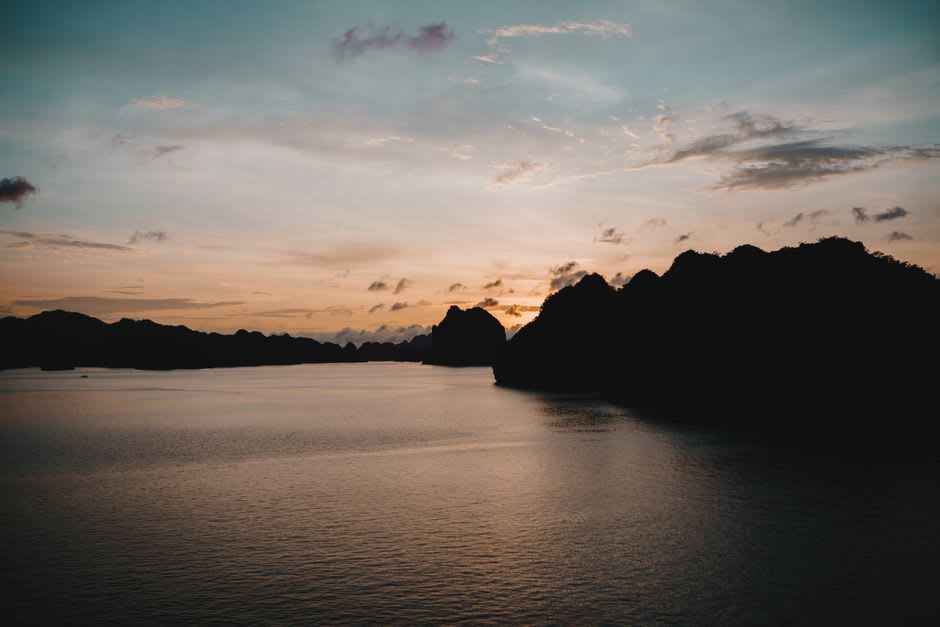
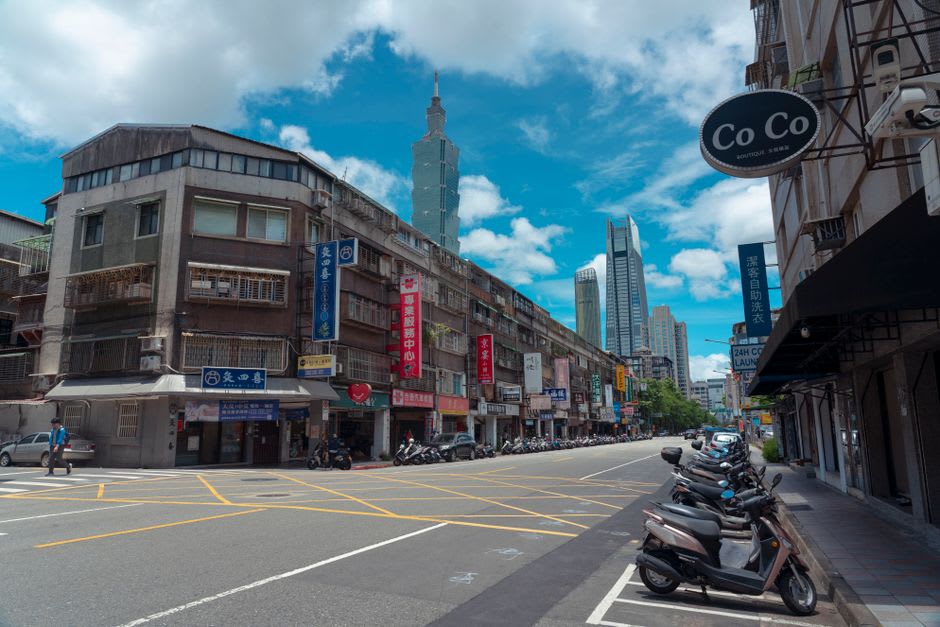
I want to be honest about Koror: it is not beautiful in the way the Rock Islands twenty minutes offshore are beautiful. It’s a working town of maybe eleven thousand people, Palau’s commercial and former political center, with a scatter of dive shops, minimarts stocked with imported Filipino and Japanese goods, and a traffic pattern built almost entirely around scooters weaving past slower rental trucks. I stayed here for five nights across two visits, mostly because it’s the only sensible base for the Rock Islands and Jellyfish Lake, and I ended up liking it more than I expected to, in the way you like a decent, unpretentious neighborhood bar.
The Belau National Museum, unassuming from the outside, holds one of the better small collections I’ve seen on the subject of traditional Palauan society — bai meeting house carvings, stone money comparable to Yap’s, and a genuinely thoughtful exhibit on the Japanese colonial period, which lasted from the end of World War I until 1945 and shaped more of modern Palau’s infrastructure and language than most visitors realize. I spent an hour there and came out understanding the rest of the country better. The KB Bridge, connecting Koror to Babeldaob, collapsed dramatically in 1996 and was rebuilt with Japanese aid — a small, specific story that somehow explains a lot about Palau’s post-independence relationships and dependencies.
In the evenings, the fish market near the dock sells whatever the day boats brought in, and there are a handful of restaurants — mostly serving a mix of Palauan, Filipino, and Japanese food — where the tables fill with dive guides finishing their shifts and comparing notes on the day’s visibility. I got talking with a German dive instructor who’d lived in Koror for six years and had no plans to leave, who told me the town’s real appeal was that it let you live somewhere genuinely remote without giving up hot showers, good sashimi, and a decent internet connection. That’s a fair summary. Koror won’t be the highlight of your Palau trip, but it’s the necessary, likeable hinge everything else swings from.
When to go: Year-round works, since Koror is mostly a base rather than a destination in itself. Book dive and kayak trips a day or two ahead during peak season (December-April), when demand for Rock Islands permits climbs fast.