Nochistlán
"Nochistlán rewards the people who pull off the highway, and punishes the ones who do not by giving them nothing but kilometers."
The carretera libre between Guadalajara and Zacatecas is the kind of road that trains you to stop noticing things. Three hours of mezquite scrub and tollbooths, and somewhere around kilometer 180 I had started seeing Nochistlán signs without reading them — the way you stop reading signs when you have already decided there is nothing to stop for. Then the fuel light came on. I took the exit. That miscalculation, or whatever the opposite of a miscalculation is called, gave me the better part of an afternoon in a colonial plaza where the silence has specific weight and the church remembers a war that the highway does not.
The Plaza and the War It Remembers
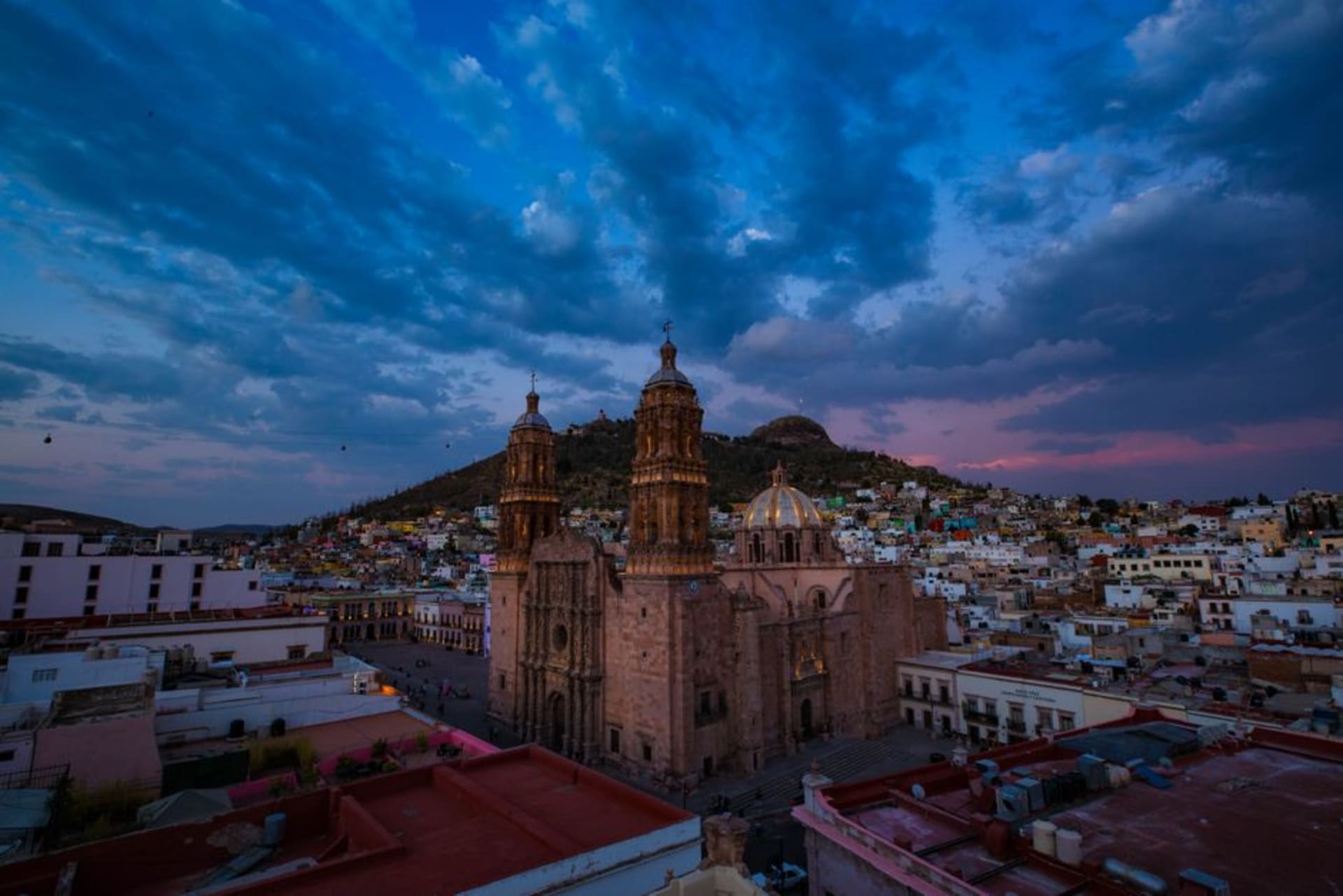
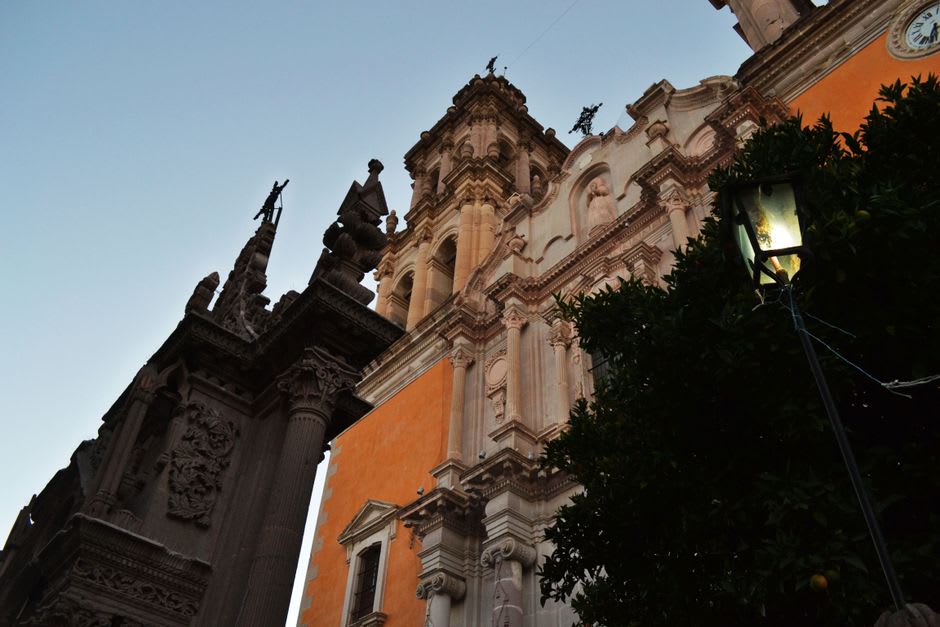
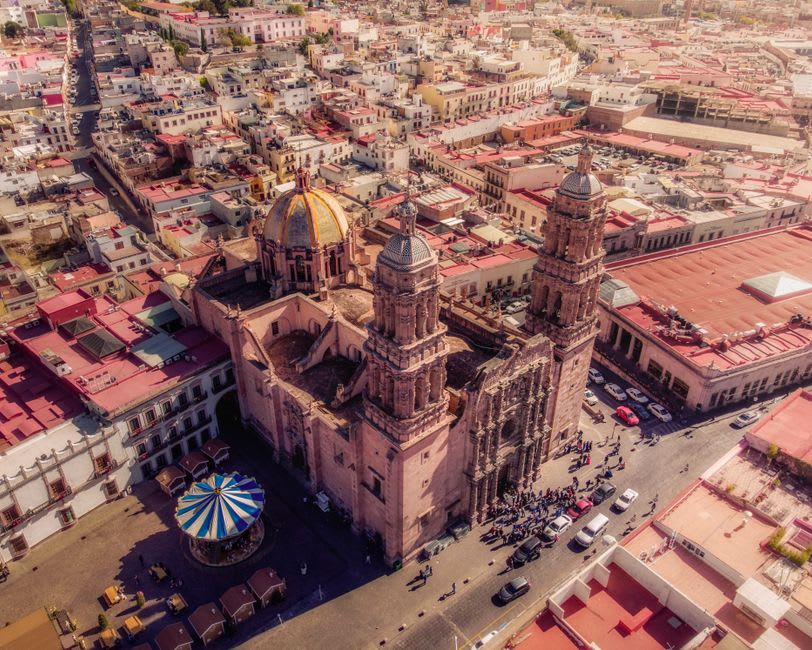
The Parroquia de la Asunción faces the main square the way colonial churches always do — with certainty, as if it arrived first and everything else was arranged around it. It was built in the 16th century on ground that had already been soaked in conflict. Nochistlán was one of the principal theaters of the Mixtón War, the 1541 rebellion in which the Caxcan, Zacateco, and neighboring peoples of western New Spain rose against Spanish colonization with a force that genuinely threatened the colony’s survival. Pedro de Alvarado — the conquistador who had endured Tenochtitlán and Guatemala — died in the campaign, thrown from his horse somewhere in this region. The plaza advertises none of this. There are benches, pigeons, a wrought-iron kiosk, old men reading newspapers in the shade of the portales. But standing in it with that history loaded, the emptiness takes on a different character. It is not abandonment. It is the kind of quiet that accumulates in places that have been through something and decided to stay.
What the Mercado Sells
The municipal market is two blocks from the plaza and has the practical, unperformed quality of markets that exist for residents rather than visitors. I arrived on a Tuesday and found a woman selling gorditas de maíz filled with asado de boda — the sweet-spicy pork stew that Zacatecas considers its culinary birthright, colored dark with chile ancho and faintly tangy with vinegar. She ran her operation from a comal no larger than a hubcap and was not interested in explaining anything to me, which felt appropriate. I ate two at a standing table near the entrance and washed them down with colonche, the fermented prickly pear drink the region produces in autumn — I was there in March, so what I got was the bottled version from a cooler, which is fine but not the point. The point is that the market runs on local logic, and you can eat well for forty pesos without anyone performing anything for you.
The Hours Worth Spending
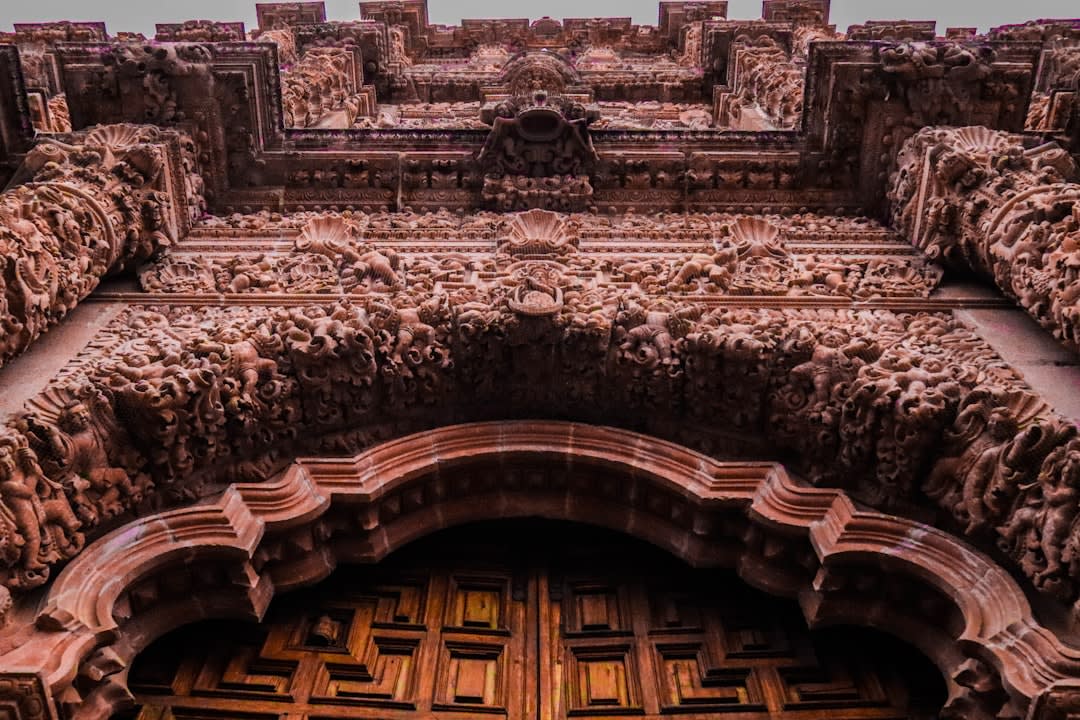
Nochistlán works best as a half-day. Arrive before noon, eat in the market, walk the colonial streets that reward attention — particularly the stretch along Calle Hidalgo where carved stone door frames suggest 18th-century money that has since gone elsewhere. The church interior is worth a few minutes: modest for its historical significance, with a painted retablo that appears not to have been restored since approximately 1890, which I mean as a compliment. There is a small cultural center near the presidencia municipal that may or may not be open. When I tried the door, it was locked with no explanation offered, which is also fine — Nochistlán is not organized for tourism, and this is most of its appeal. Leave before the afternoon heat turns the plaza indifferent. You will be back on the highway by two.
Getting There
Nochistlán sits on Federal Highway 54 — the old carretera libre — roughly 170 kilometers from Guadalajara and 230 from Zacatecas city. There is no dedicated bus service; second-class lines running the Guadalajara–Zacatecas corridor stop here if you ask. If you are driving, take the Nochistlán exit from the libre — the cuota bypasses the town entirely, which is precisely the problem.