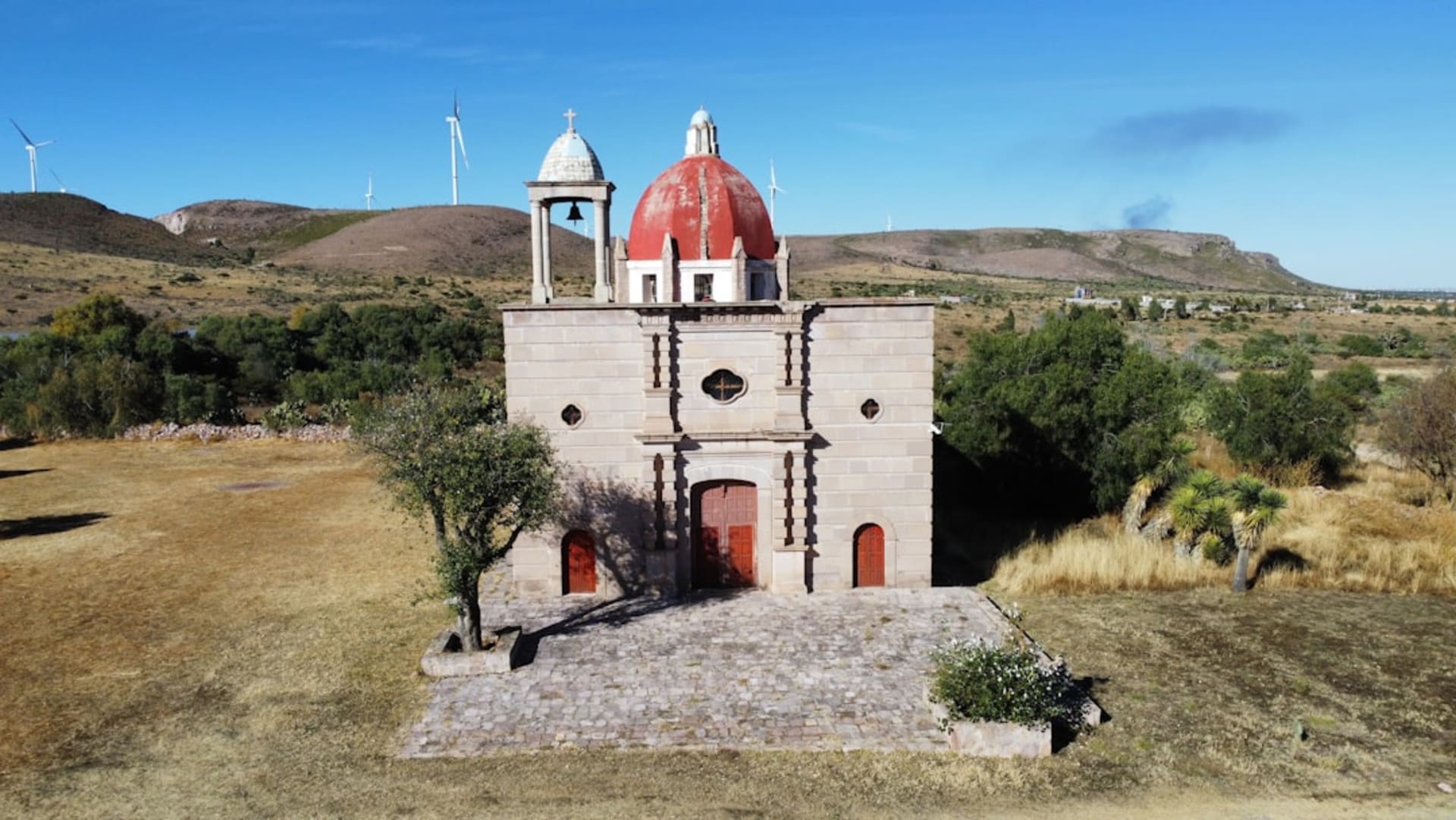
Monte Escobedo
"The mountain air in Monte Escobedo arrives like something the coast had trained me to forget — I spent most of a July afternoon sitting in the church square doing absolutely nothing, contentedly."
I came down off the highway into Monte Escobedo on a Tuesday in July and immediately needed a jacket. That was unexpected. I had spent the morning driving through the dry, sun-flattened landscape of northern Zacatecas, the kind of terrain that makes you squint and reach for water, and then the road climbed into pine forest and everything shifted — the light, the temperature, the quality of the silence. The town appeared below as a cluster of terracotta rooftops and one church tower. I parked off the plaza, turned off the engine, and sat for a moment just breathing the air.
A Plaza That Asks Nothing of You
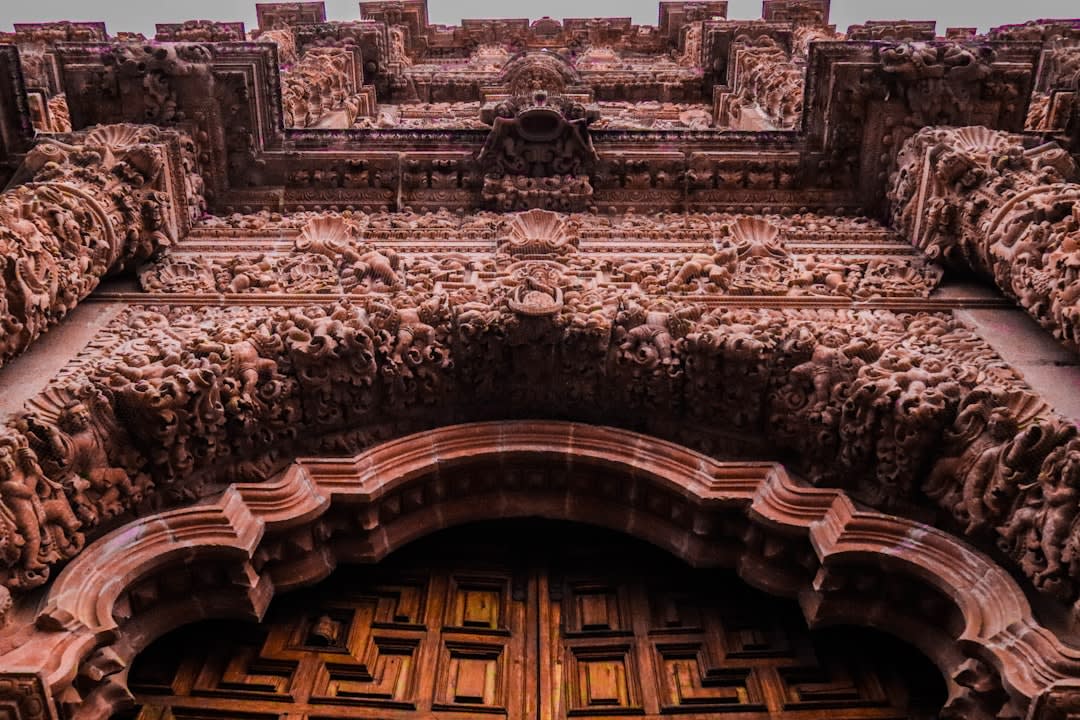
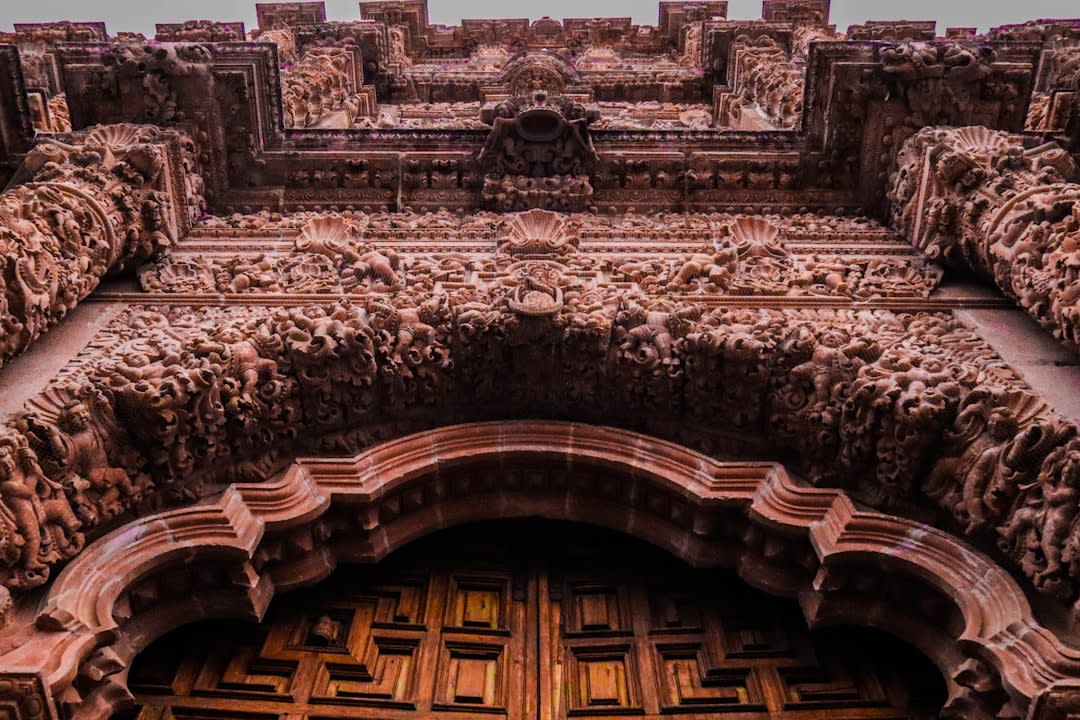
The Parroquia de la Purísima Concepción rises at the far end of the main square with the settled authority of something that has outlasted every version of this town. Built in the sixteenth century, it has the look of stone that has long since stopped being construction material and become something closer to fact. Inside, the nave is cool and dark, the gilded altarpiece measured rather than extravagant, and there are always a few people sitting in the pews in that particular state that is neither prayer nor rest but something between the two.
Outside, the plaza operates at a pace that makes you question your own habits. Stone benches, a central kiosk, pigeons, old men with nowhere pressing to be. I spent most of a Wednesday afternoon there, moving only to follow the shade. A vendor appeared with hot atole around four o’clock — the thick, corn-sweet kind, poured from a large aluminum pot into a foam cup — and I drank it watching the church facade turn gold in the late light. I have spent longer afternoons doing much more and remembered far less.
The Gorditas Worth Driving Two Hours For
The best thing I ate in Monte Escobedo cost twenty-two pesos. A gordita de maíz — pressed masa, thick, slightly charred from the comal, split and filled with frijoles negros and requesón — from a folding table just off the northeast corner of the plaza. The woman running it arrived around seven in the morning and packed up before noon. I had two the first day and went back for two more before leaving.
Zacatecas has its own deep tradition around gorditas, and the mountain version here — highland corn, local cheese, masa with actual texture and weight — ranks among the best I have eaten in the entire state. There is also a small covered market on Calle Hidalgo where weekends bring tamales, and one stall sells mole negro by weight out of a deep clay pot. The mole is serious. Buy more than you think you need.
The Forest Above the Rooftops
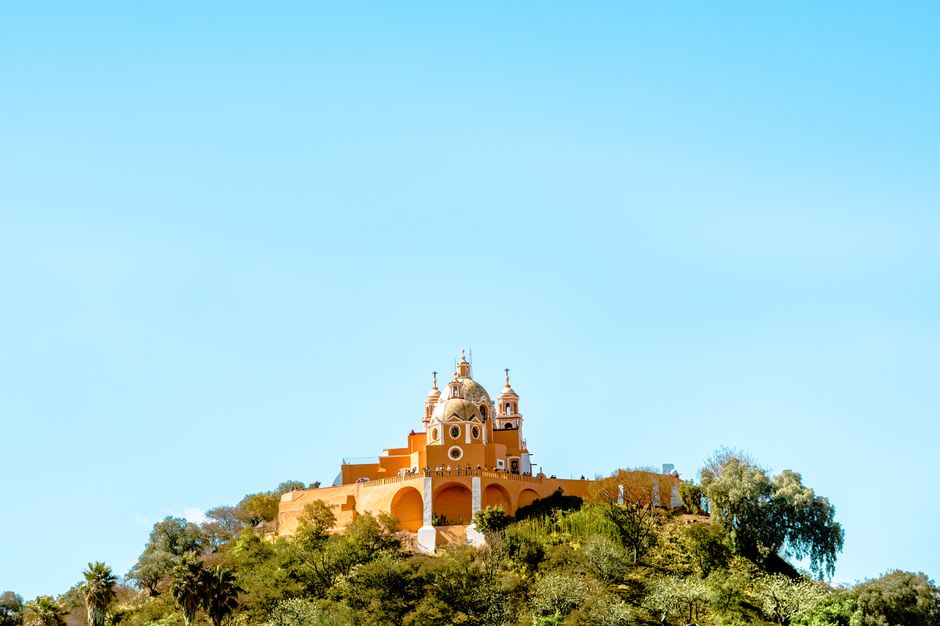
Monte Escobedo sits at roughly two thousand meters, and the Sierra de Morones mountains begin effectively where the last houses end. I followed an unmarked path uphill on my second morning — maybe ten minutes from the plaza — and found myself in pine forest where the only sound was wind and footfall on dry needles. I was wearing a fleece. In July. I find this unreasonably satisfying after years of coastal heat.
The main viewpoint is an easy hour out and back. No trail markers, but the direction is uphill and the path is clear. The town below resolves into something compact and coherent — a few streets, the church tower, open grazing land dissolving toward the horizon.
Getting There
Monte Escobedo is roughly 180 kilometers south of Zacatecas city — about two and a half hours by car via Highway 54 and local roads. The more practical approach is from Jerez de García Salinas, around ninety minutes away, with minibus service running through the day. I drove from Jerez and found the road well-maintained. There is no gas station in town; fill up in Jerez before turning off the highway.