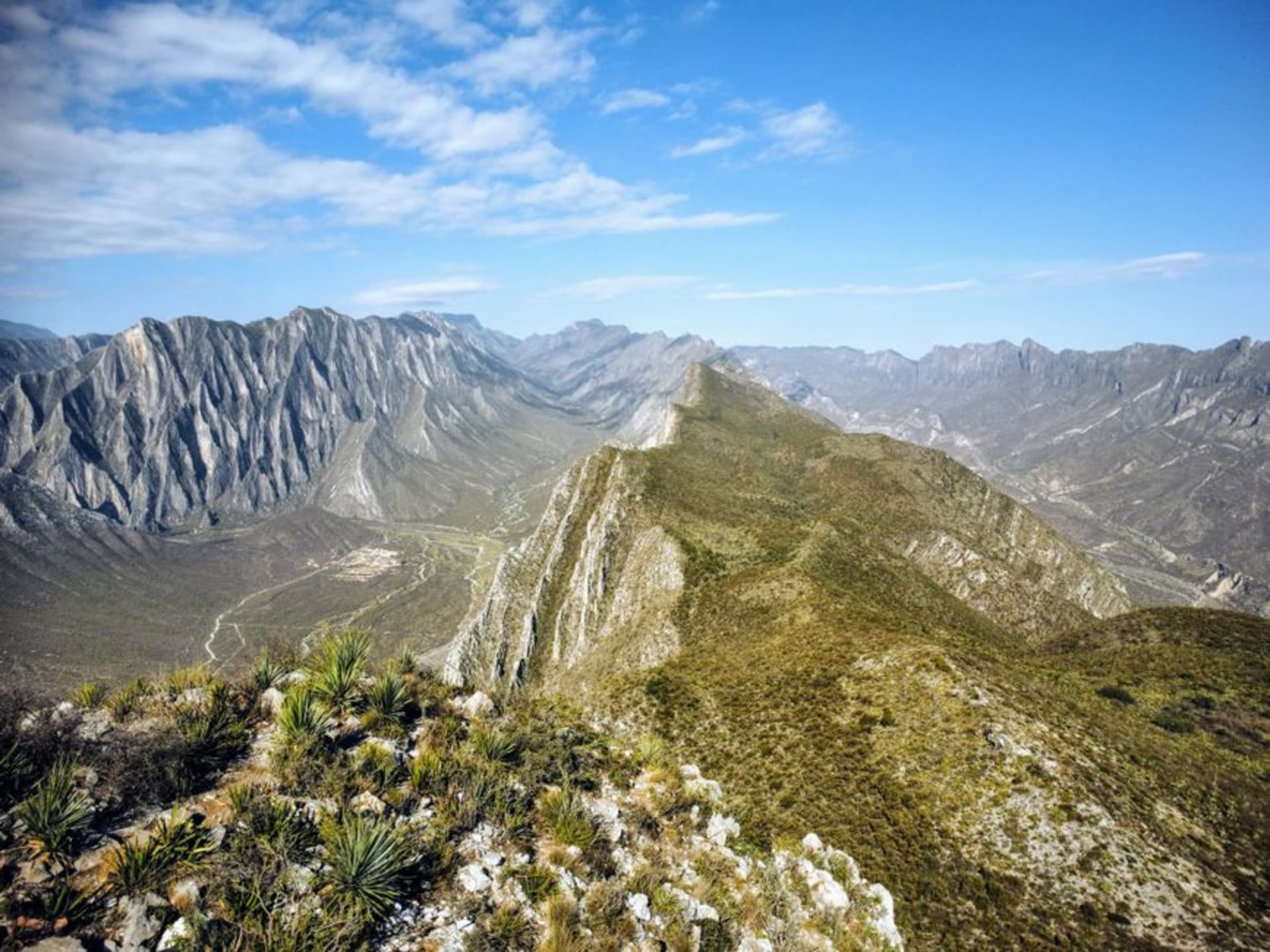
La Quemada
"Standing on the votive pyramid at dusk, watching the shadow of the hill swallow the plain below, I stopped needing the ruin to have a tidy explanation."
I took a local bus from the Central Camionera in Zacatecas at half past eight on a Tuesday, which left me at the roadside turnoff with no shade and a twenty-minute walk to the entrance. This is not a complaint. The walk across the flat, scrubby plain — nopal, low acacia, dust the color of old brick — gives you time to watch the volcanic hill resolve itself out of the horizon. By the time I reached the ticket booth, I could already make out the stone walls terracing the hillside in horizontal bands, like a city someone had draped over a clenched fist.
The Hall of Columns and the Platform of Skulls
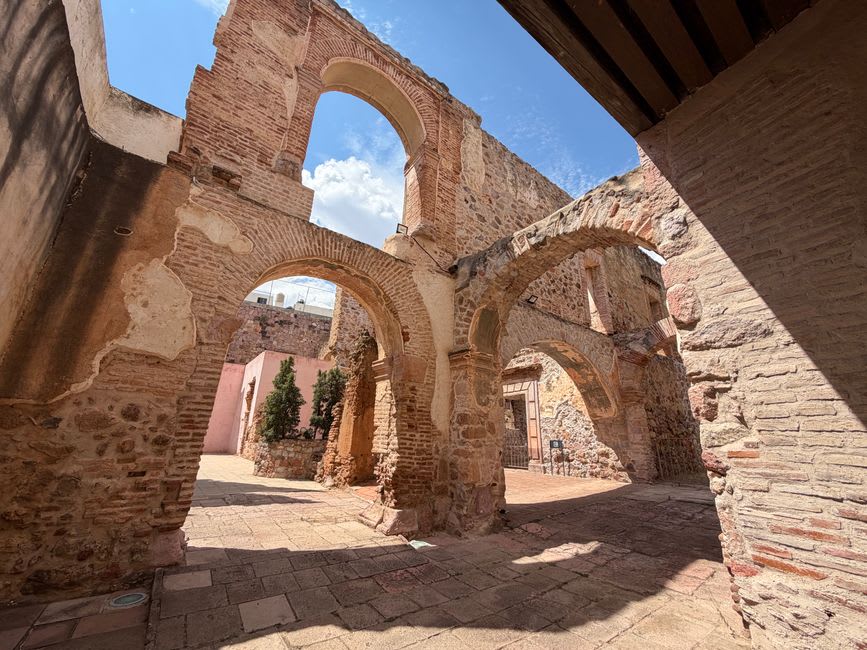
The colonnade is the first thing that breaks your sense of scale. Forty-some stone pillars still standing — or rather, rebuilt to stand — in a covered hall that once served ceremonial purposes nobody has fully decoded. The site is sometimes called Chicomostoc, though archaeologists debate whether that Nahuatl name even applies here. What is not disputed is the tzompantli: a low platform just below the main hall where hundreds of skulls were displayed in rows. The holes are still visible in the stone. I crouched there for a while, not taking photographs, trying to locate something like feeling. What I got instead was arithmetic — six hundred years of occupation, and then nothing. The fires that give La Quemada its name seem to have been intentional. A deliberate end. Someone burned the place down, possibly the inhabitants themselves, and the plain absorbed whatever explanation they left behind.
The View From the Votive Pyramid
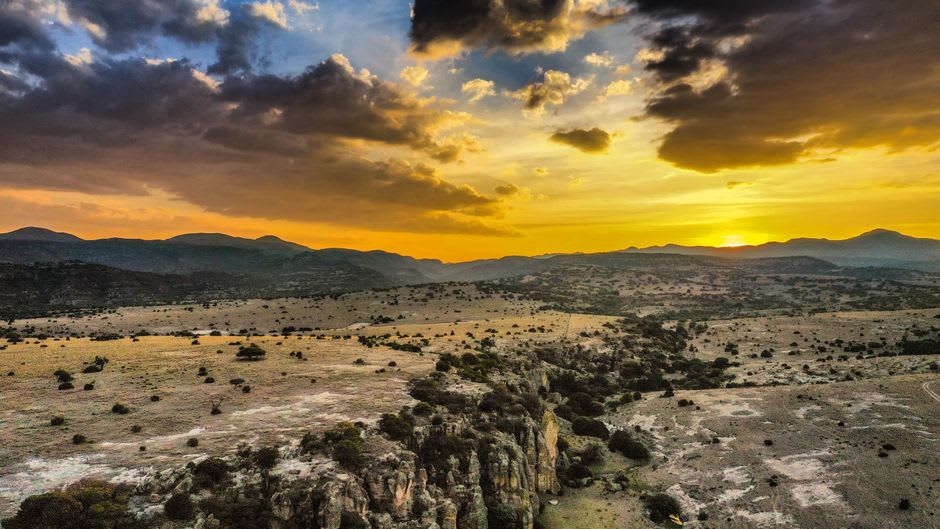
I reached the top of the votive pyramid around five in the afternoon, which was both accidental and correct. The northern plain goes flat in every direction, broken only by the occasional sierra on the far horizon. From up here the site’s logic is immediate: nothing moved through this corridor without La Quemada knowing. The city controlled the road between the settled Mesoamerican south and the arid, difficult north — a gateway, a checkpoint, likely a pilgrimage stop for groups pressing deeper into the Gran Chichimeca. Then, sometime around 900 CE, it stopped being any of those things. The theories run from climate collapse to the fracturing of Teotihuacan’s trade network to internal revolt. None of them fully satisfies. I watched the shadow of the hill extend across the meseta below and thought, not for the first time in Mexico, that some places simply resist the archive.
How to Visit Without Rushing It
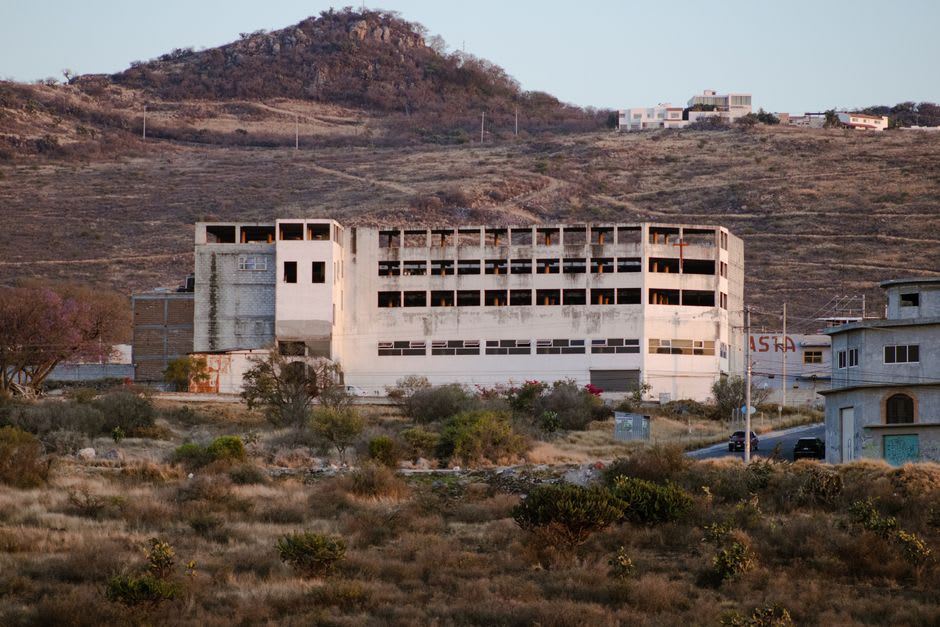
La Quemada rewards slowness. The site is not large by the standards of southern Mexico, but the terrain is steep and the midday sun is serious — bring more water than seems reasonable, and real shoes, not sandals. I spent four hours here and could have stayed five. There is a small on-site museum near the entrance with a scale model of the complex and a modest ceramic collection; it takes twenty minutes and is worth exactly twenty minutes. Pack lunch or eat before you come: beyond a snack stand there is nothing at the site, and Zacatecas is fifty kilometers back. The Museo Zacatecano in the city holds additional La Quemada artifacts if you want the archaeological frame before or after the walk.
Getting There
La Quemada sits 50 km south of Zacatecas city on Federal Highway 54 toward Guadalajara. Local buses from the Central Camionera heading toward Villanueva stop at the turnoff — confirm with the driver before boarding. A taxi or rental car takes roughly forty minutes and is more convenient. The site is open Tuesday through Sunday. Dry season, October through April, is most comfortable; winter light on the pale stone is particularly good.