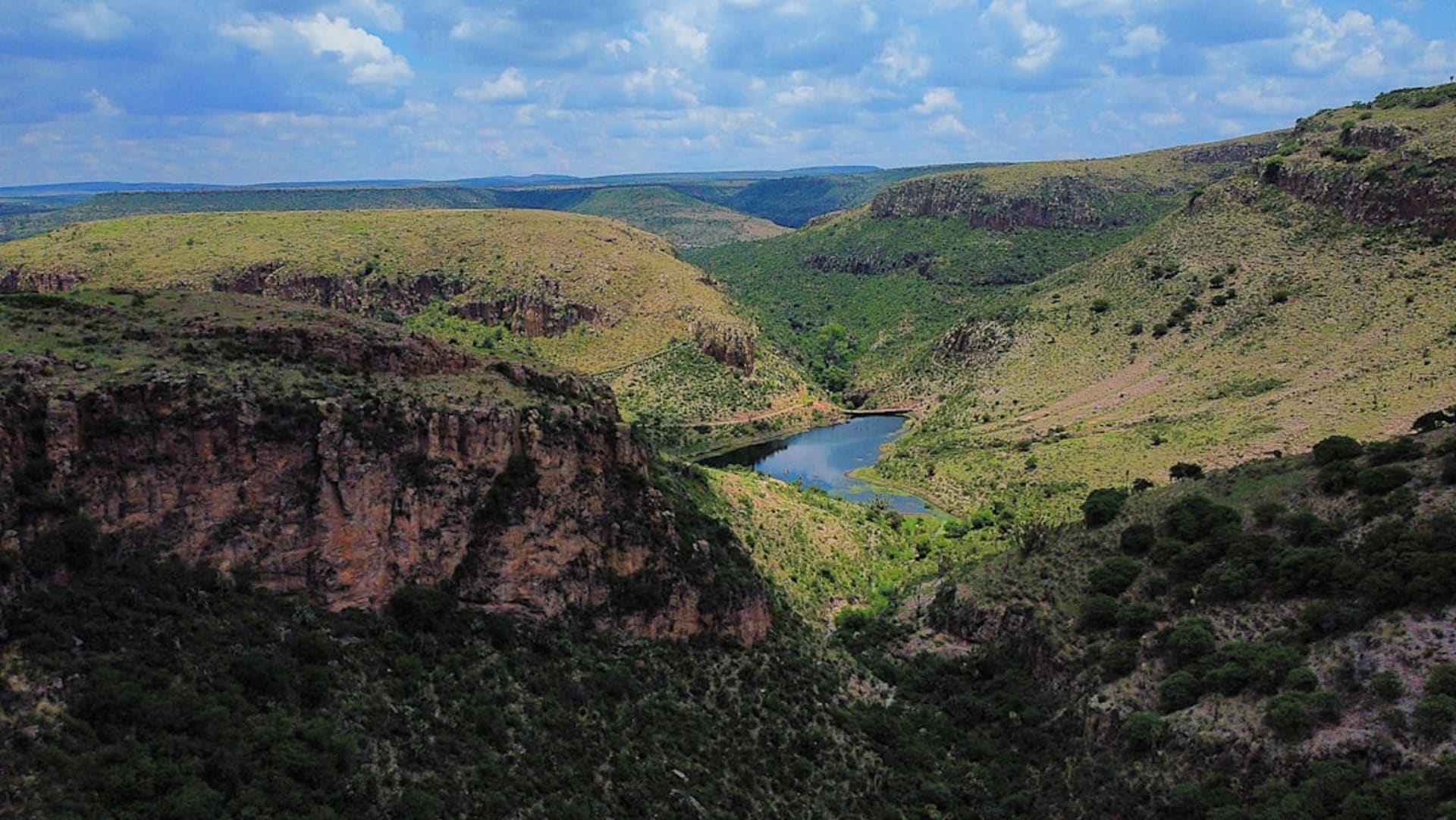
Juchipila
"I sat outside eating birria watching the canyon change color and thought: this is exactly why you take the smaller roads instead of the toll highway."
I turned off Highway 54 without a strong plan, just the knowledge that Juchipila existed somewhere between Jalisco and Zacatecas city and that the canyon was supposed to be worth a detour. The town appeared at the bottom of a descent I hadn’t expected — a cluster of low buildings, a church with a worn facade, and on three sides, red volcanic cliffs rising so close that the streetlights don’t have to work until later than you’d think. I parked near the plaza and sat there for twenty minutes before doing anything else. That’s not always the right call in Mexico, but here it was.
The Canyon and the River
The Juchipila River does not announce itself. It runs along the western edge of town, narrow and greenish and indifferent to tourism, which is to say there’s no malecon, no photo opportunities marked with hashtags, just a dirt path that follows the bank for a while before stopping at nothing in particular. The canyon walls above it are the draw — layers of red and ochre volcanic rock that shift color every half hour as the light moves. I arrived in late afternoon by accident, which turned out to be the correct strategy. By six o’clock the cliffs had gone from rust to a deep copper that I cannot accurately describe with words I have in either language. The river catches a bit of it too. I know I said I’d put the phone down, and I did — after a few minutes.
The canyon extends north and south of town and you can drive sections of it, though some of the unpaved roads require more clearance than my Nissan was comfortable offering. Walking the edge near town is enough.
The Mezcal Nobody Talks About
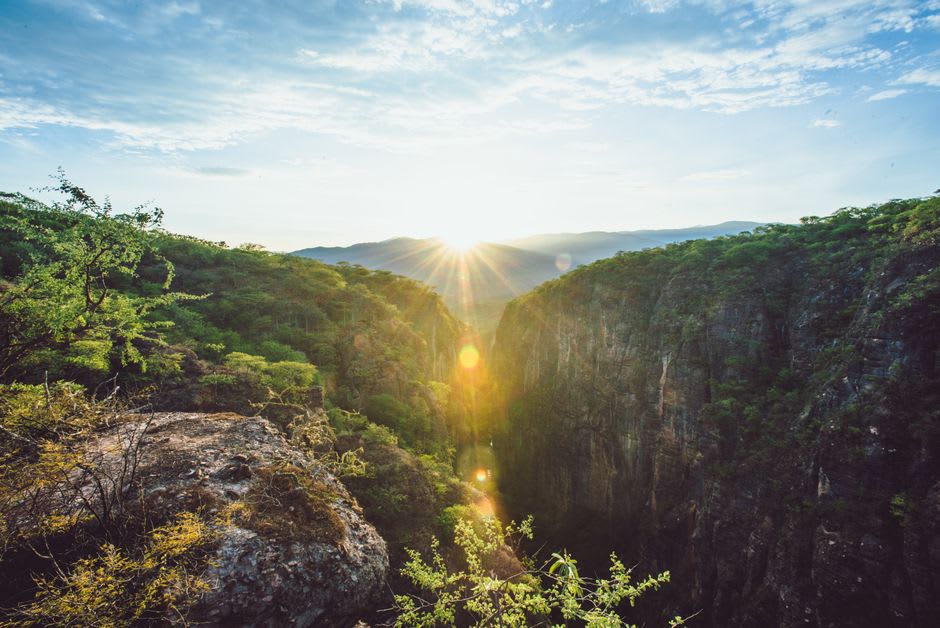
Southern Zacatecas produces mezcal. This is not a well-publicized fact outside the immediate region, but the agave grows on the canyon slopes and several small producers operate within a few kilometers of town. There is no mezcal bar in Juchipila in the way Oaxaca has mezcal bars — instead there is a tianguis on weekend mornings where someone’s uncle will sell you a liter in a recycled water bottle for an amount that doesn’t feel real. The flavor is rounder than what I’m used to from Oaxaca, less smoke, more mineral edge. I asked where it came from and got a vague wave toward the hills. That seemed fair.
The birria here is also worth noting. It appeared on nearly every corner by mid-afternoon — red chile broth, goat, served with handmade tortillas and a wedge of lime. I ate two portions on a plastic chair outside a nameless comedor near the Templo de la Asuncion and felt entirely correct about the detour I had made.
What to Do With the Evening
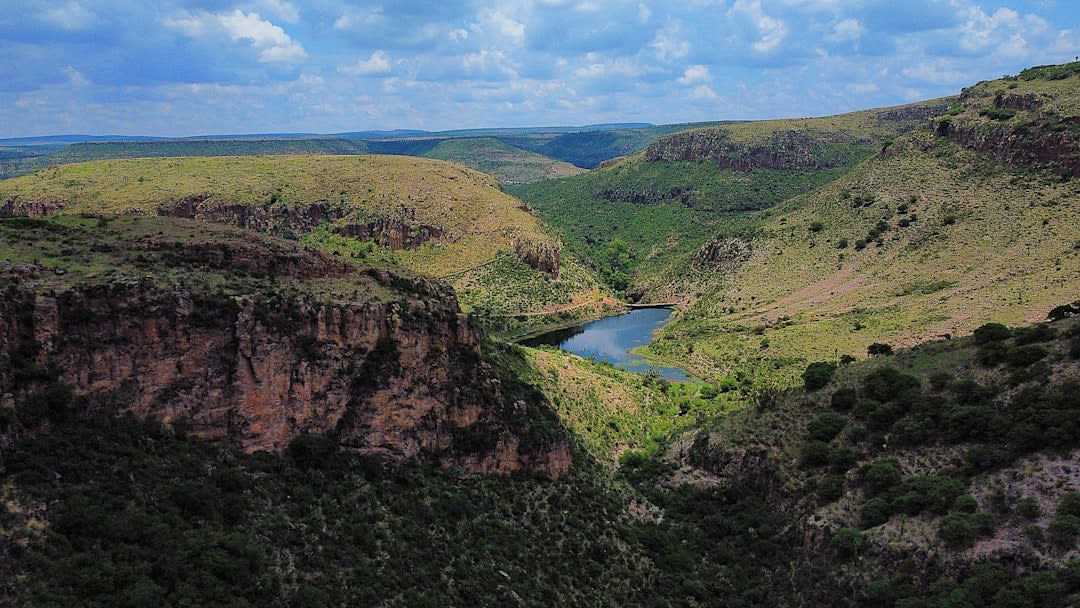
The town goes quiet by eight-thirty. This is not a complaint — it’s useful information. The plaza has a small kiosk and a few benches and the kind of unhurried pace that only exists where nobody has decided to turn it into an attraction yet. Walk down to the river before dark. Order the birria twice if you’re hungry. The Templo de la Asuncion has a facade worth looking at slowly, and the interior keeps the lights off, which forces you to let your eyes adjust. There’s a small market on Calle Independencia that opens early and sells dried chiles you won’t find in chain supermarkets. Buy more than you think you need.
Getting There
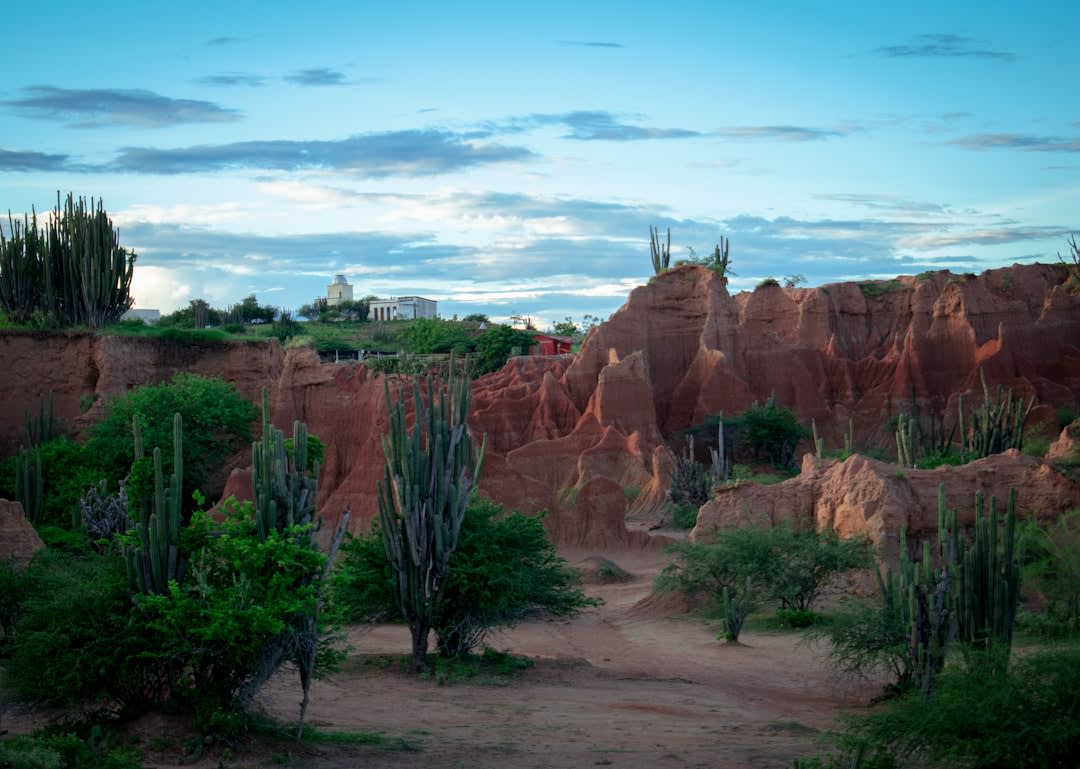
Juchipila sits on Highway 54, roughly two and a half hours from Guadalajara and three and a half from Zacatecas city. Most buses on the Guadalajara–Zacatecas route pass through or stop nearby — confirm at the terminal, since schedules vary by season. Coming by car gives you the canyon approach on the highway, which is half the point of coming at all.