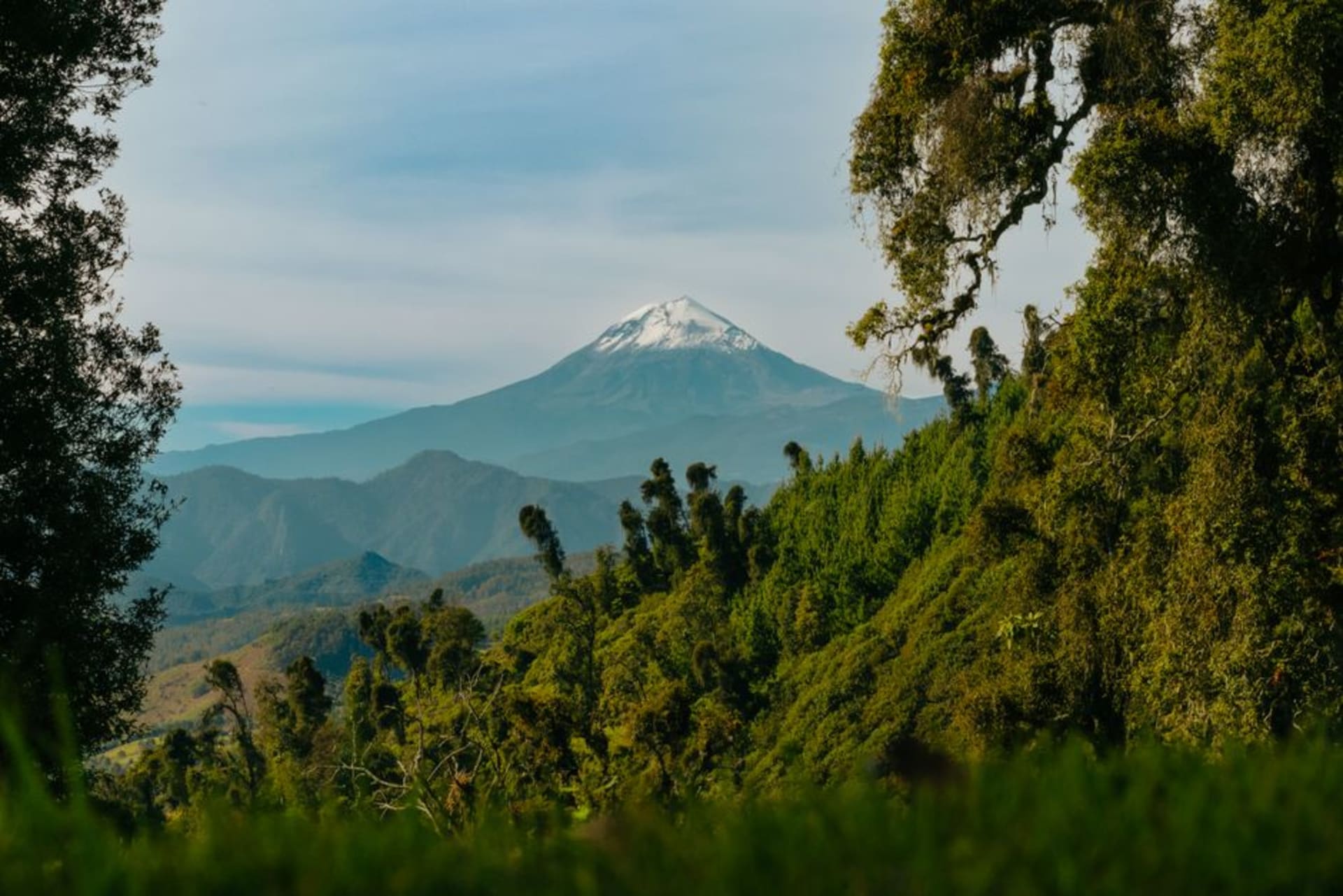
Zozocolco de Hidalgo
"Zozocolco at carnival is Mexico in concentrated form — Totonac, colonial, riotous, and somehow still profoundly itself."
I had been tracking Zozocolco de Hidalgo on a list for two years before I actually went — one of those towns that keeps surfacing in conversations with people who have been to places nobody else has been. I arrived in February, the wrong time of year for vanilla and the precisely right time for everything else. The zocalo, when I stepped off the colectivo from Papantla at dusk, was already mid-transformation: scaffolding for sound equipment, elaborate costumes draped over the railings of the municipal building, a group of dancers rehearsing footwork in one corner with the focused indifference of people who have been doing this since childhood.
February
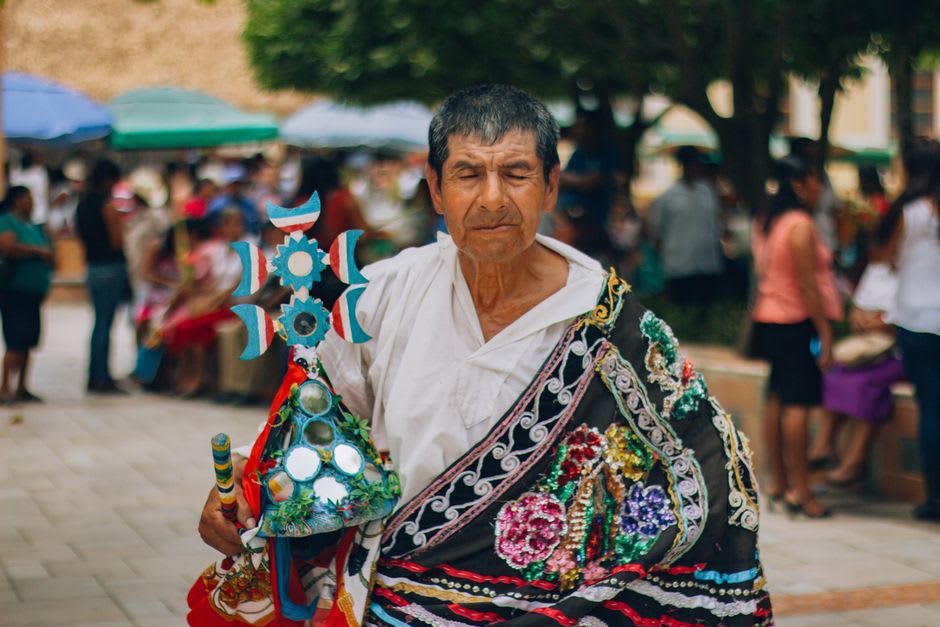
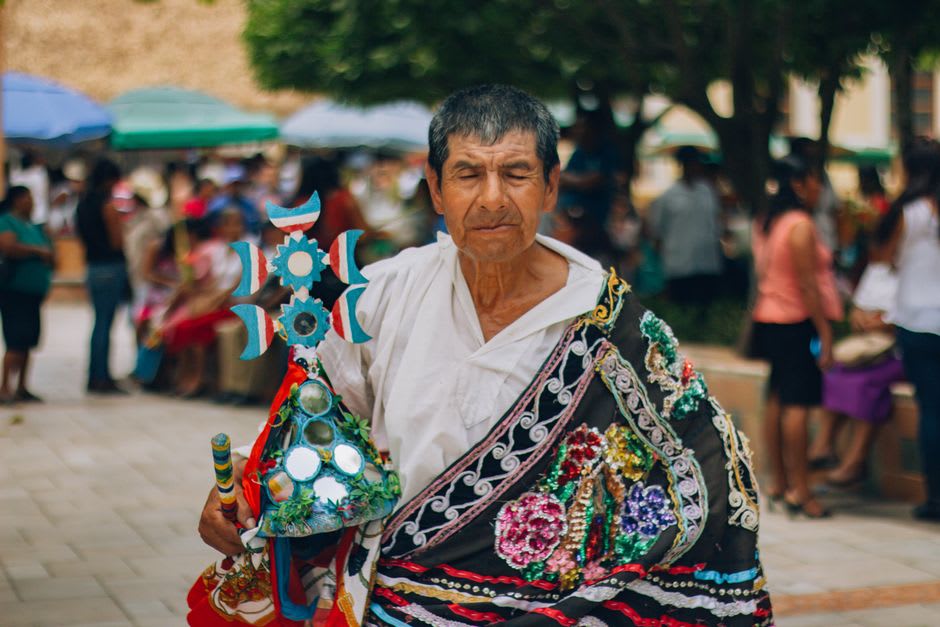
The Carnival of Zozocolco runs for three days in late February, and to call it colorful would be the kind of reductive thing I try to avoid. What happens here is more specifically Totonac — which means it sits at a complicated intersection of pre-Hispanic ritual, Catholic calendar, and something that resists both categories simultaneously. The Quetzales dancers are what most people come for: enormous circular headdresses several feet in diameter, feathered and painted in greens and reds, that spin as the dancers move in patterns that seem chaotic from a distance and reveal their geometry only when you watch for half an hour. The costumes take months to make. The families who perform have been performing for generations. The sound is reed flutes and percussion, not brass bands, and it gives the whole thing a quality that feels genuinely old — not performed-old, but actually continuous with something much earlier. I stayed three nights and never quite got over it.
Vanilla Country
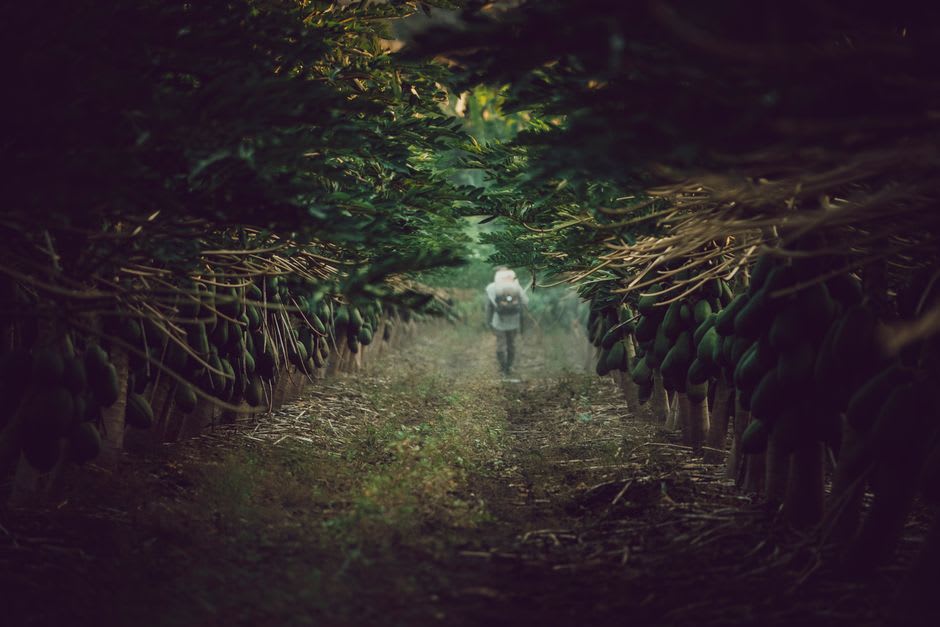
Outside of February, Zozocolco returns to itself — which means vanilla orchids climbing shade trees along the road from Papantla, citrus groves that smell like something a perfume house would try to synthesize, and a nearly complete absence of other visitors. The vanilla here is real vanilla, Vanilla planifolia, the orchid that produces the pods before they are cured into the thing you buy in small glass bottles at inflated prices back home. A few families run small farms and will show you the pollination process if you ask: each flower opens for a single day, must be hand-pollinated by midmorning, and produces one pod after eight months. I watched a woman do it with a small stick in about four seconds. It looked impossibly casual for something that produces one of the world’s most labor-intensive spices. The surrounding hills are beautiful in a quiet, uncurated way that northern Veracruz does particularly well.
The Weekend Market
For food, the market operates mostly on weekend mornings, and what to look for is tamales de rajas with fresh masa — different from Oaxacan tamales in texture, slightly more delicate, steamed in corn husks. There is a small comedora near the market entrance whose pozole rojo arrives in a clay bowl large enough to constitute an entire day’s food. Order it with the tostadas on the side. The vanilla-infused chocolate drink the weekend vendors sell from large clay pots is not something I can adequately describe without sounding like exactly the kind of travel writer I am trying not to be, so I will only say: order it, and order another.
Getting There
Papantla is the main hub, about 35 kilometers away. Second-class buses and colectivos connect the two towns throughout the day, taking somewhere between an hour and an hour and a half depending on how the road is feeling. For carnival, book accommodation in Papantla well in advance — there is nothing to stay in Zozocolco itself, and the February festival draws crowds from across the entire north of Veracruz.