Zongolica
"I asked a woman in the market how to say thank you in Nahuatl and ended up staying two hours learning words I have since forgotten but somehow still feel."
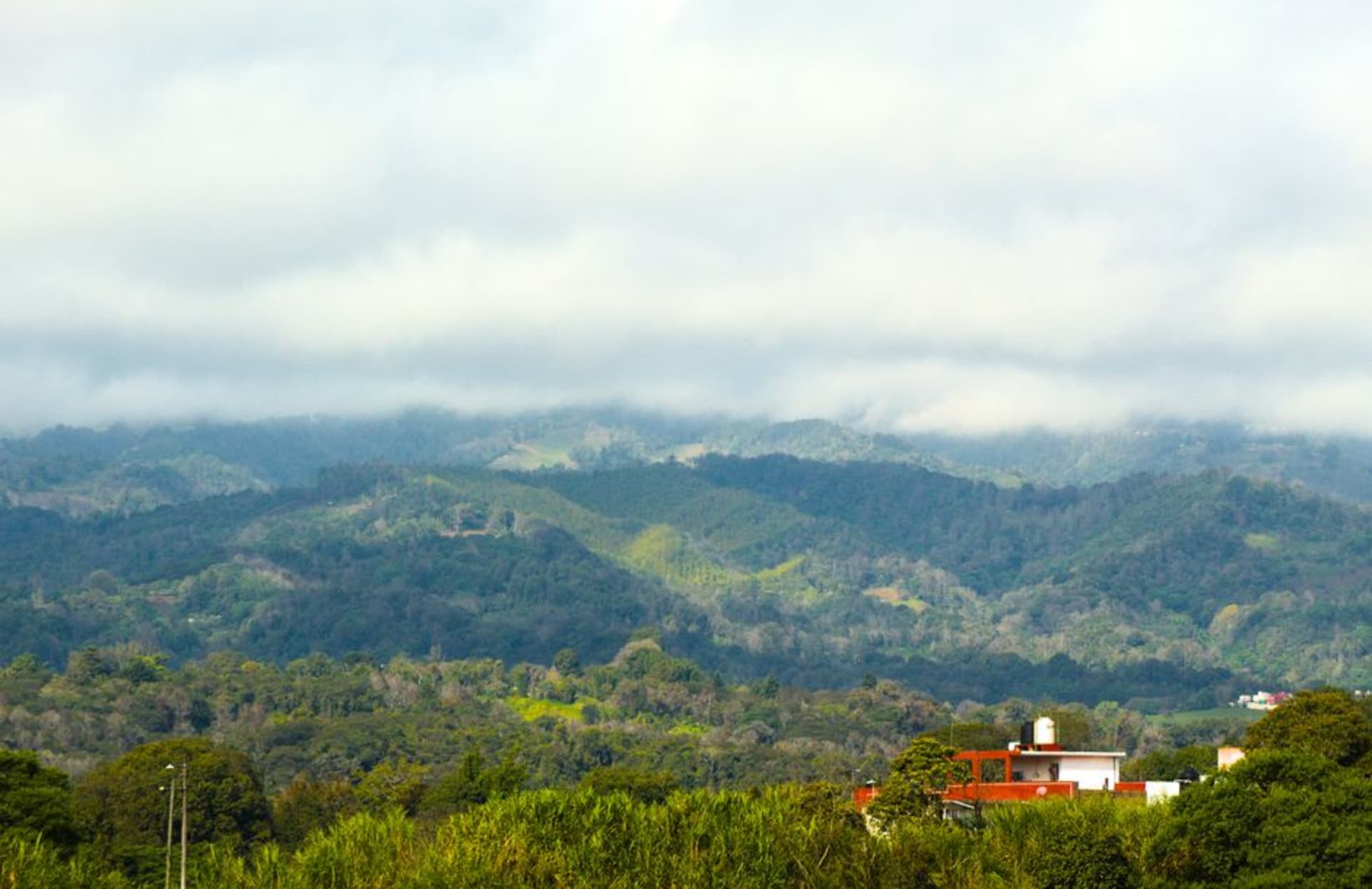
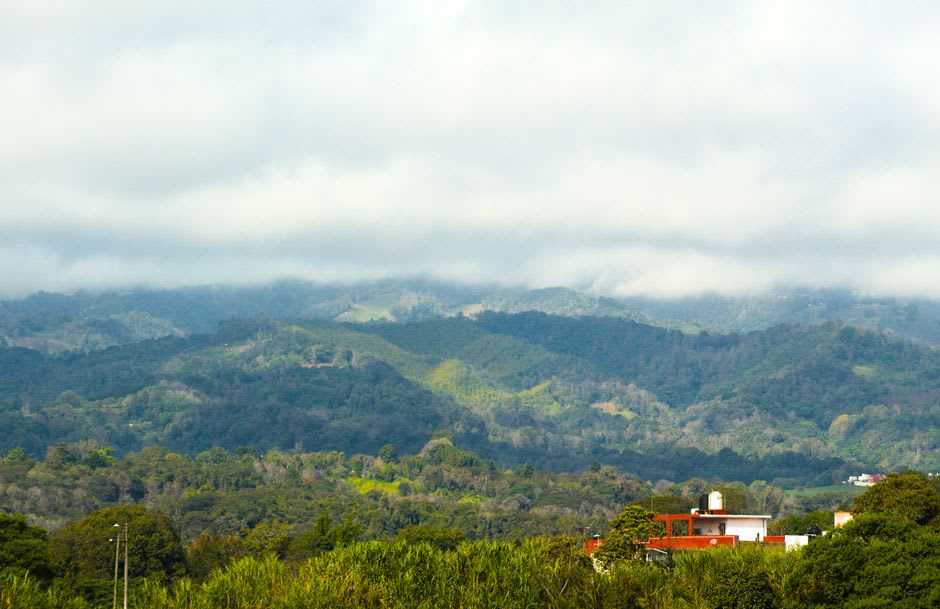
The road up from Orizaba climbs aggressively, coiling through coffee groves and stands of cloud pine until the Sierra de Zongolica closes around you like a door shutting. I arrived on a Tuesday in early November, the kind of morning where the fog sits so low it erases the horizon entirely and you navigate by the sound of water rather than anything you can see. The town was already alive — women at the Tianguis Municipal in handwoven quexquémetl, their voices shifting between Nahuatl and Spanish mid-sentence, the market smelling of copal and wet earth and something frying somewhere I couldn’t locate.
What the Threads Are Saying
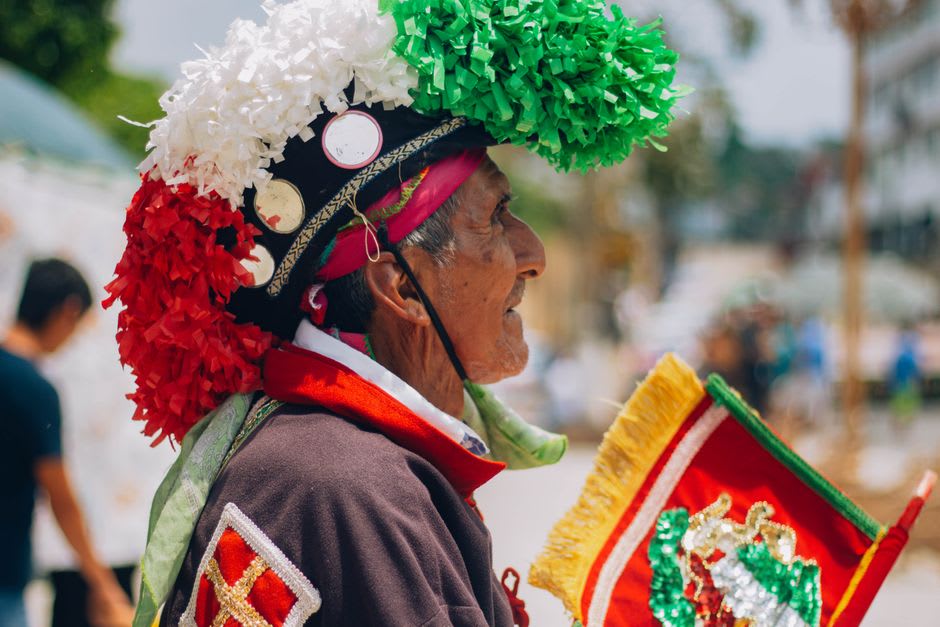
The quexquémetl worn by Nahuatl women in Zongolica are not decorative in the way a tourist might first assume. Each geometric sequence — the diamond motifs, the repeating zigzags along the hem, the specific combination of indigo and ochre and the particular rust that comes from local dye plants — encodes clan, village, and sometimes marital status. A woman from one barrio wears different patterning than one from the next, even if both live within ten minutes of the same market square.
I spent an afternoon at the Taller Comunitario de Tejido near the Iglesia de San Miguel, where a cooperative of weavers had laid out their work on wooden tables in a room that smelled of lanolin and cedar. The woman who showed me around explained the pattern hierarchy with the patience one usually reserves for slow children. She spoke Nahuatl first, then translated into Spanish, as if the concepts required the original language to arrive intact. They probably did. I left having bought nothing and understanding more than I expected.
At the Tianguis on Tuesday
The Tianguis Municipal runs its fullest version on Tuesdays, when producers from surrounding rancherías bring down mushrooms, chayote, coffee cherries, and dried chiles I didn’t recognize. I ate at a row of comedores along the market’s north edge — plastic chairs, a woman ladling pozol negro from a clay pot that had been on the fire since dawn. The pozol here is denser and less sweet than the coastal version I’d known from Tabasco, drunk in small cups alongside tlayudas spread with asiento and black bean paste.
The coffee is the detail most people miss. The Sierra de Zongolica produces arabica at altitude, and the cooperative roasts directly here. A cup bought from a vendor at the market cost me twelve pesos and was better than most of what I’ve paid ten times that for in Puerto Escondido. I bought half a kilo of whole beans in a recycled bag with a handwritten label, which I have since used as the benchmark for every other Sierra coffee I encounter.
How to Move Through It
Zongolica rewards slow walking. The Iglesia de San Miguel Arcángel anchors the zócalo with a baroque façade that catches morning light for about forty minutes before the fog rolls back in. The streets climbing behind the church lead into residential barrios where the sound of a backstrap loom carries from inside most houses and children wave from doorways with a frankness that suggests they don’t see many strangers passing through.
If you can arrange even a few words of Nahuatl before arriving — tlasokamat for thank you, niltze for hello — they will carry you further than you expect. Not as performance, but as a minimal acknowledgment that you understand where you are. That distinction matters here more than in most places I’ve been in Mexico.
Getting There
Orizaba is the nearest hub, roughly 45 kilometers from Zongolica by MEX-150 and then the winding state road up into the Sierra. Shared combis and autobuses connect from Orizaba’s Central de Autobuses, with more frequent service in the morning. Allow two hours from Orizaba in fog, which is most mornings. November through March offers cleaner light and more reliable road conditions; the rainy season makes the upper road unpredictable.