Tlaltetela
"The road stopped pretending to be flat about twenty minutes back, and I stopped pretending I knew where I was around the same time."
I found Tlaltetela the way I find most of the places I end up loving in Veracruz: by missing a turn I meant to take and deciding, halfway down a road too narrow to reverse comfortably, that this was clearly meant to happen. I had been aiming for Huatusco. I ended up in a small coffee town wedged into a fold of the central Veracruz mountains, watching a man carry a sack of cherries up a slope I would have considered a serious hike, and I understood within about ten minutes that I wasn’t going to make it to Huatusco that day.
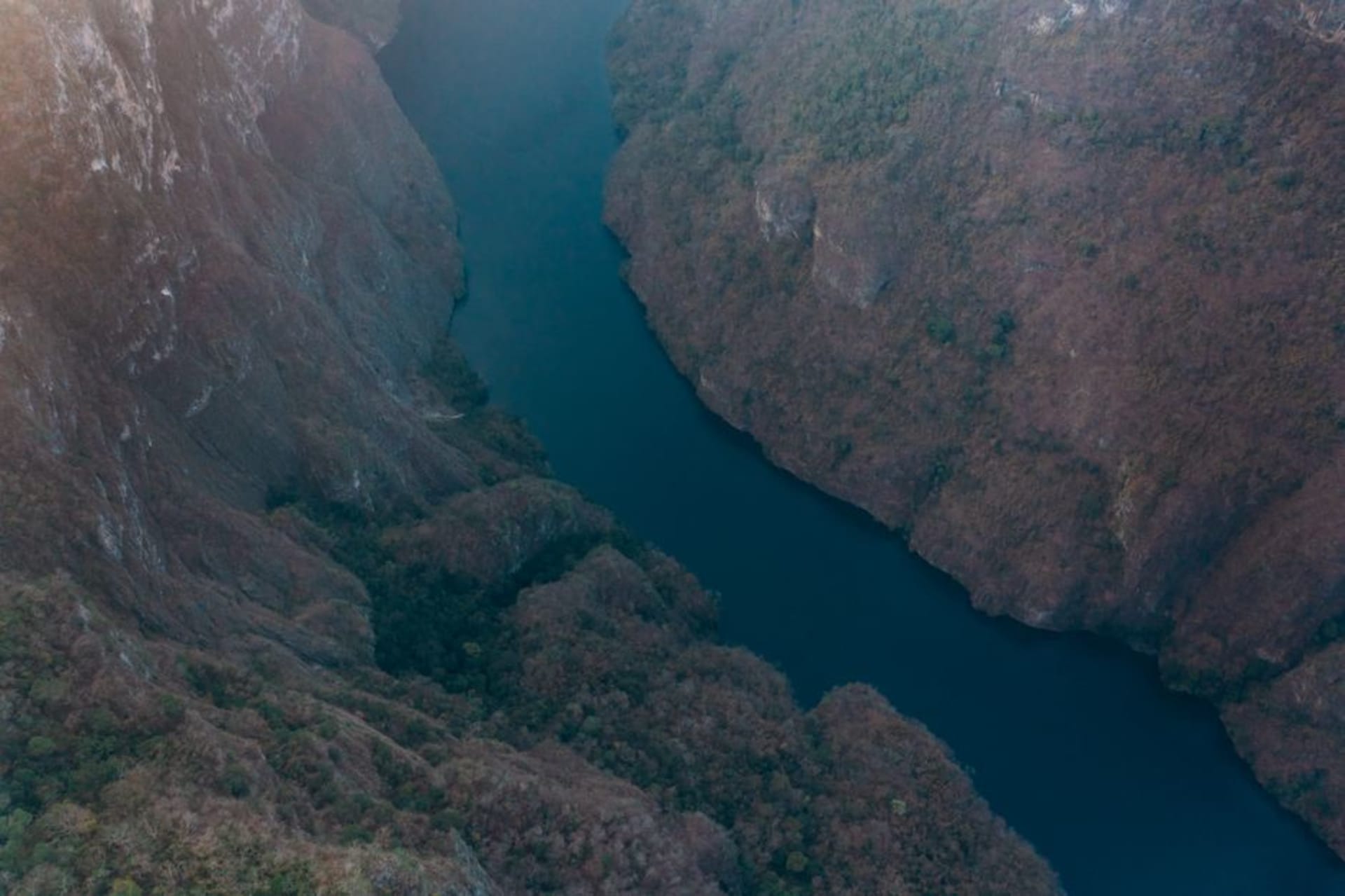
Tlaltetela sits in the canyon country between Xalapa and Huatusco, in that band of the Sierra Madre Oriental where the land is too steep to be reasonable and too fertile to be abandoned. Everything here is vertical. The coffee grows on slopes that would give a European vineyard owner a nervous breakdown, the rivers have cut themselves gorges deep enough to swallow the afternoon light early, and the whole place stays wrapped in a humidity so consistent it stops registering as weather and starts feeling like the natural state of the air.
The Steepness of Everything
The first thing you notice in Tlaltetela is that flat ground is a luxury item. The town itself clings to whatever purchase it can find, streets tilting at angles that make parking a matter of faith, and the coffee plantations spill down from there into ravines you can’t see the bottom of.
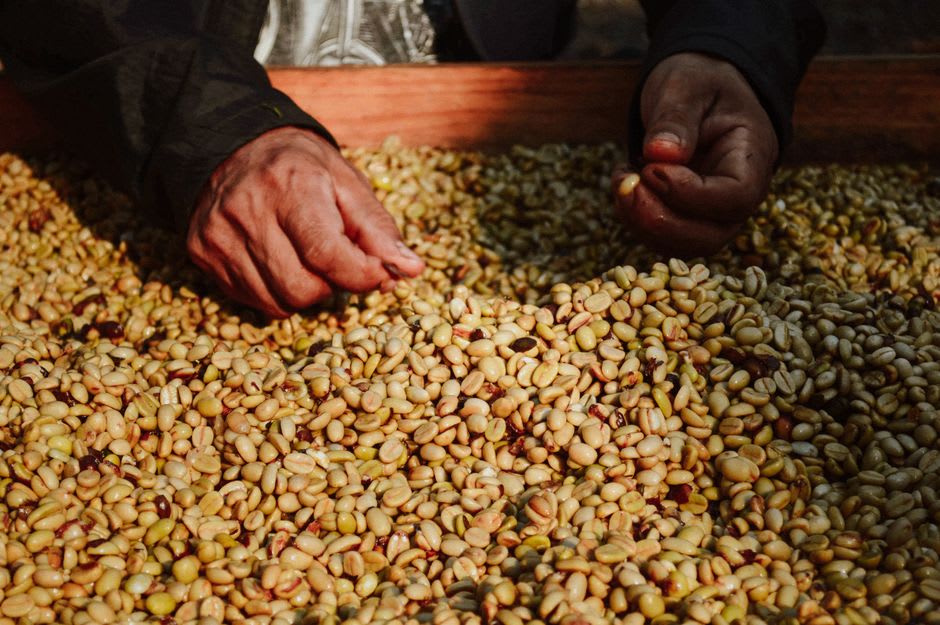
I spent a morning walking one of the coffee roads with a grower named Aurelio, who had the specific patience of a man who has explained his work to exactly zero tourists and wasn’t sure why he was starting now. He grows arabica under shade — the old inga trees that the coffee farms here have always used — and he walked me down a slope so steep I was placing my feet sideways while he strolled it like a hallway. The cherries were coming in red and heavy. He picks by hand, everyone here picks by hand, because no machine could hold this ground.
What struck me was how quiet the work was. No engines, no announcement of itself. Just the sound of the river somewhere below and the occasional soft thud of a full sack being set down.
Rivers and Gorges
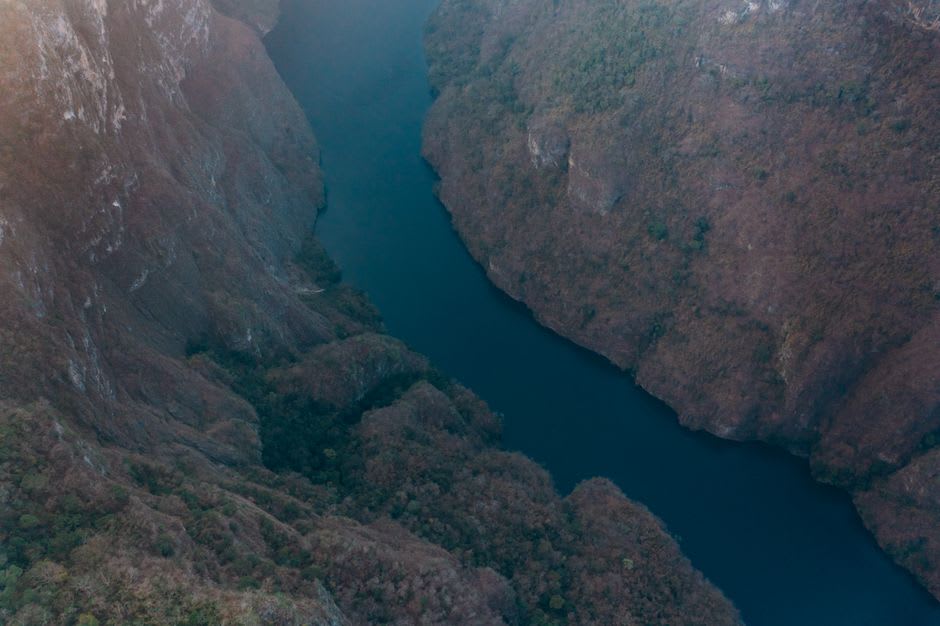
The rivers are the reason this landscape looks the way it does. They’ve spent a few hundred thousand years cutting down through the volcanic rock, and the result is a country of gorges — green-walled, humid, loud with water in the rainy season and merely damp in the dry one.
I walked down to one of the crossings below town in the late morning, following a path that a kid on the plaza had described to me with the confidence of local knowledge and the vagueness of someone who’d never had to give directions to an outsider. The river ran cold and fast over rounded stones, and the canyon walls above it were solid green, ferns and coffee and wild growth competing for every centimeter. It was the kind of place that feels much further from anywhere than it actually is.
I sat on a rock for a while and ate a torta I’d bought in town. Nobody came. A bird I couldn’t identify made a sound like a rusted gate, twice, and then didn’t again.
The Town Itself
Tlaltetela’s center is small and unhurried in the way that only genuinely overlooked places are — not performing calm for anyone, just quiet because there’s no reason for it to be otherwise. The plaza has its church and its trees and its handful of men who occupy the same benches with the reliability of fixtures. In the mornings the smell of roasting coffee drifts from somewhere I never quite located.
I drank a coffee at a little place off the plaza that served it strong and unpretentious, the way coffee is served in towns that grow it rather than towns that market it. The woman running the place asked where I was from, heard “France,” and told me her nephew was working in a kitchen in Cancún, which is the sort of conversation that happens everywhere in Mexico and that I’ve come to treasure precisely because of how ordinary it is. We talked for a while about nothing in particular. She refilled my cup without asking.
This is the whole appeal of Tlaltetela, honestly. It doesn’t want anything from you. It grows coffee, it holds onto its mountainsides, and it lets the rivers do the loud work.
Getting There
Tlaltetela sits off the roads between Xalapa and Huatusco in central Veracruz, and the honest answer is that you need a car or a good deal of patience with rural buses. From Xalapa, drive south toward Coatepec and then continue into the canyon country — the last stretch is winding, narrow, and slow, so budget more time than the distance suggests. Second-class buses do serve the area from Xalapa and Huatusco, but they run on their own logic and their own schedule.
Come in the dry season if you want the roads to be kinder, or in the green heart of the rains if you want the canyons at their most alive and don’t mind mud. Either way, bring a light rain layer — the humidity here has a habit of becoming actual water without much warning — and don’t plan your day too tightly. Tlaltetela is not a place that rewards a schedule.