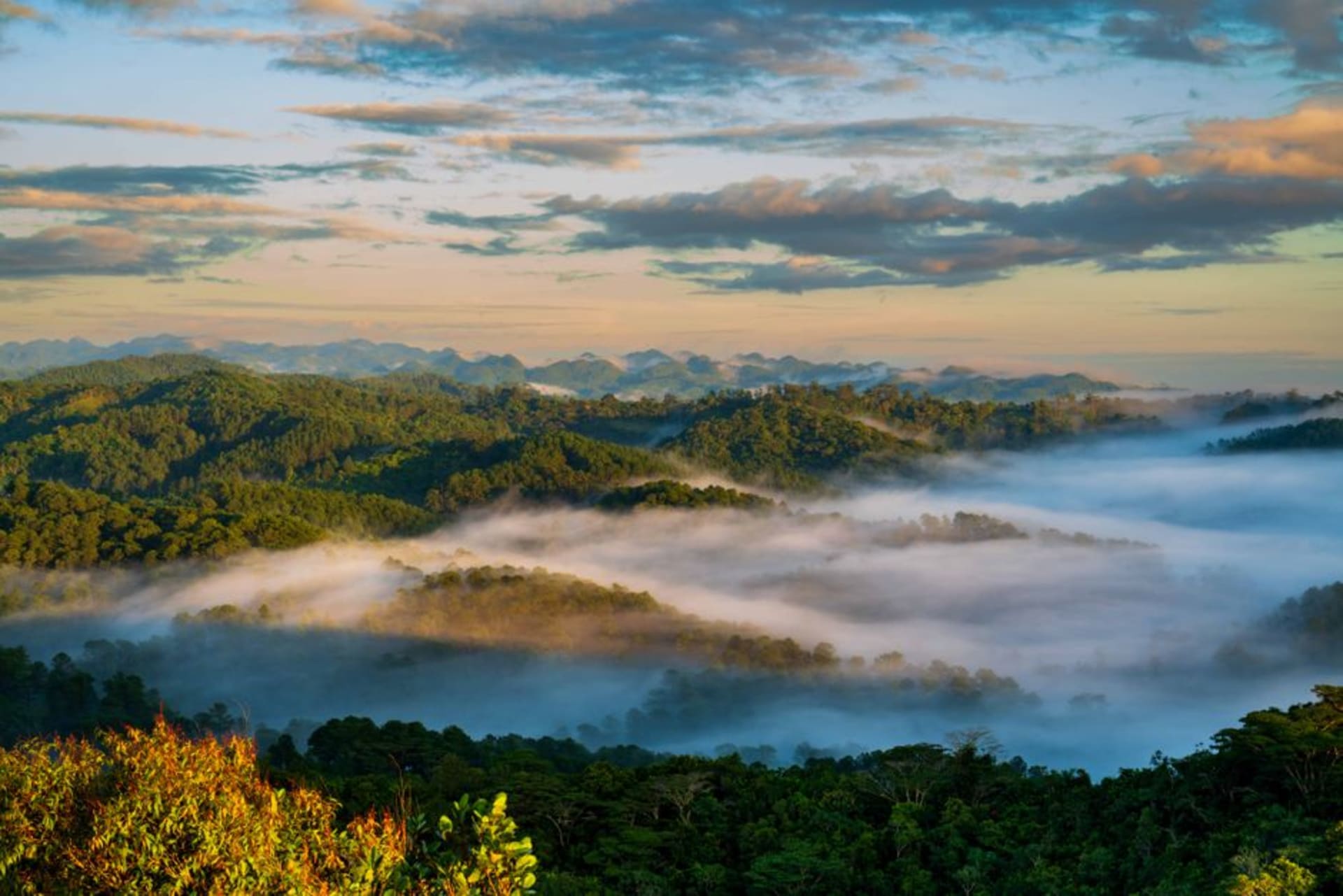
Let me clear this up before we go any further: this is not that Tequila. There is no blue agave here, no distillery tour, no field of spiked plants stretching to a volcano. This Tequila is a small Nahua town high in the Sierra de Zongolica of central Veracruz, and the first time I told a friend in Mexico City I was going, they assumed I’d lost the thread entirely. I drove up into the sierra on a morning when the cloud never lifted, the road climbing through coffee and forest into a world of drifting fog, and arrived to woodsmoke and cold and the sound of Nahuatl spoken in the street — a place so unlike its famous namesake that the shared name feels like a private joke the mountains are keeping.
Into the Cloud Forest
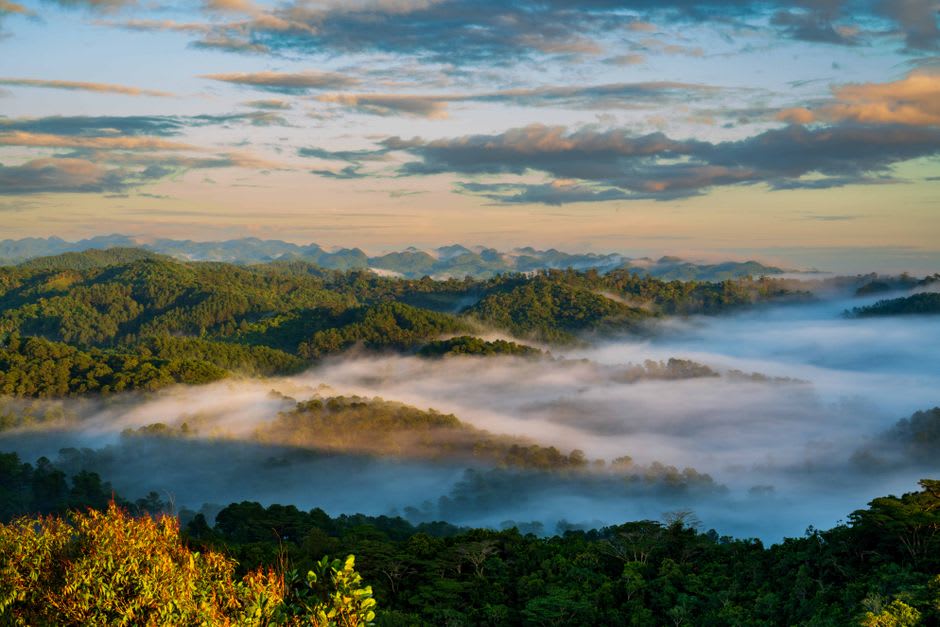
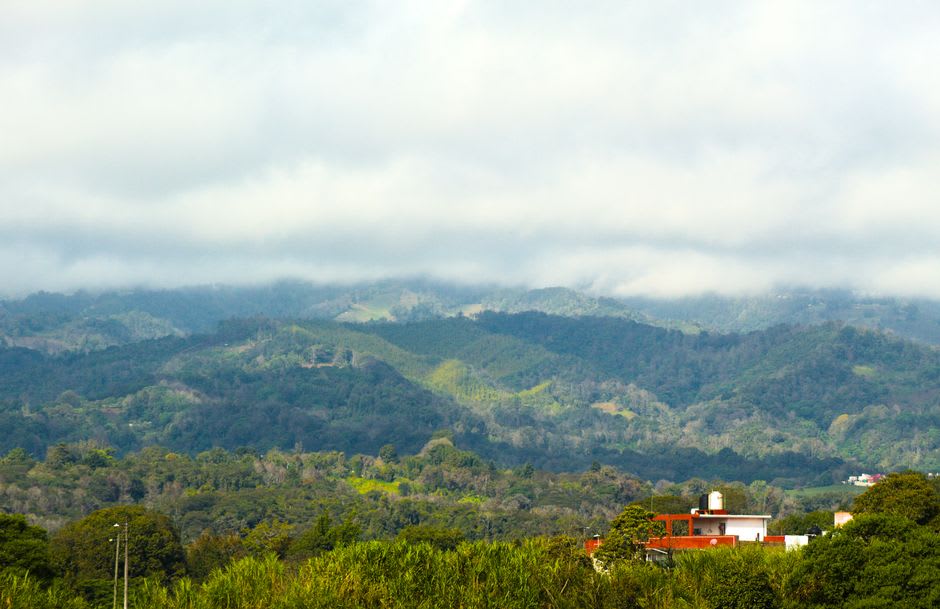
The Sierra de Zongolica is high, wet, and green in a way that surprises people who think of Veracruz as coast and heat. Up here it’s cold and cloud-wrapped for much of the year, the ridges vanishing into fog, the forest dripping, everything softened and grey-green and quiet. Tequila sits folded into this landscape, its streets steep and often slick with mist, the mountains pressing close on every side. I walked out to the edge of town where the coffee terraces begin and stood in a cloud that wasn’t quite rain, watching it move through the trees below me. This is the deep sierra, indigenous and little-visited, a highland world that has its own language and rhythm and pays the outside almost no mind. The cold gets into you within an hour, and so does the strange, dense beauty of it.
Wool, Coffee, and the Nahua Highlands
The Zongolica sierra is Nahua country, and Tequila is one of its towns — Nahuatl is a living language here, spoken in the market and the doorways, and the material culture is a mountain one: wool against the cold, coffee off the terraced slopes. I watched a woman working wool the old way, the raw fleece becoming yarn becoming the heavy garments people actually wear up here against the damp chill. In the market the coffee is local, grown on the ridges I’d just been standing among, and it’s very good — the altitude and the constant moisture make for exactly the conditions coffee loves. What struck me most was how unperformed all of it was. No one was demonstrating heritage for a visitor. This was simply how the town clothes and feeds and warms itself, high in a cold place, as it has for a very long time.
Fog, Rain, and Woodsmoke
By late afternoon the cloud had thickened into real rain, fine and persistent, and the town drew into itself. Chimneys and cookfires sent woodsmoke up into the mist until the two became the same grey thing, and the smell of it — wet wood, pine, cooking — filled the streets. I ducked under an awning and drank a coffee, watching people move through the drizzle with the unbothered ease of those who live inside this weather rather than merely enduring it. There’s a particular intimacy to a mountain town in the rain, everything close and hushed and warm-lit against the cold outside. Tequila in the fog is not a place that performs for anyone. It just goes on being itself, high and cold and green and quiet, wrapped in cloud, entirely indifferent to whether you understood it or not. I found that I did, a little, and was grateful.
Getting There
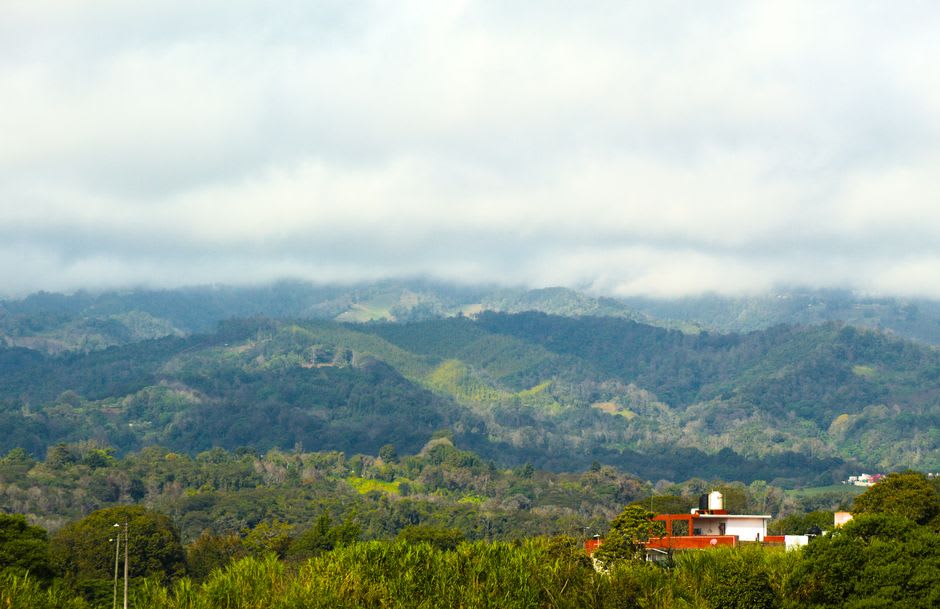
Tequila sits high in the Sierra de Zongolica of central Veracruz, most practically reached from Orizaba or Zongolica by mountain road — roughly an hour or two of climbing switchbacks from the valley towns, depending on the weather and the cloud. There is second-class bus and colectivo service up into the sierra from Orizaba, but it’s slow and infrequent; a car with decent brakes and a willingness to drive in fog is the surer bet. Bring warm and waterproof layers whatever the season — up here the mountain makes its own weather, and it is rarely dry.