San Andrés Tuxtla
"San Andrés Tuxtla smells of tobacco and rain and very good coffee, which is exactly the right combination."
I arrived in San Andrés Tuxtla on a Thursday afternoon in the middle of a downpour that nobody seemed to find remarkable. The bus from Catemaco had taken forty minutes through hills that turned greener and more insistent the closer we got, and the city appeared suddenly below — a working city, a market city, one that feeds and supplies the whole Los Tuxtlas region without making a particular fuss about it. The smell reached me before I’d found my hotel: tobacco drying somewhere nearby, and wood smoke, and the particular diesel sweetness of a wet Mexican street at two in the afternoon.
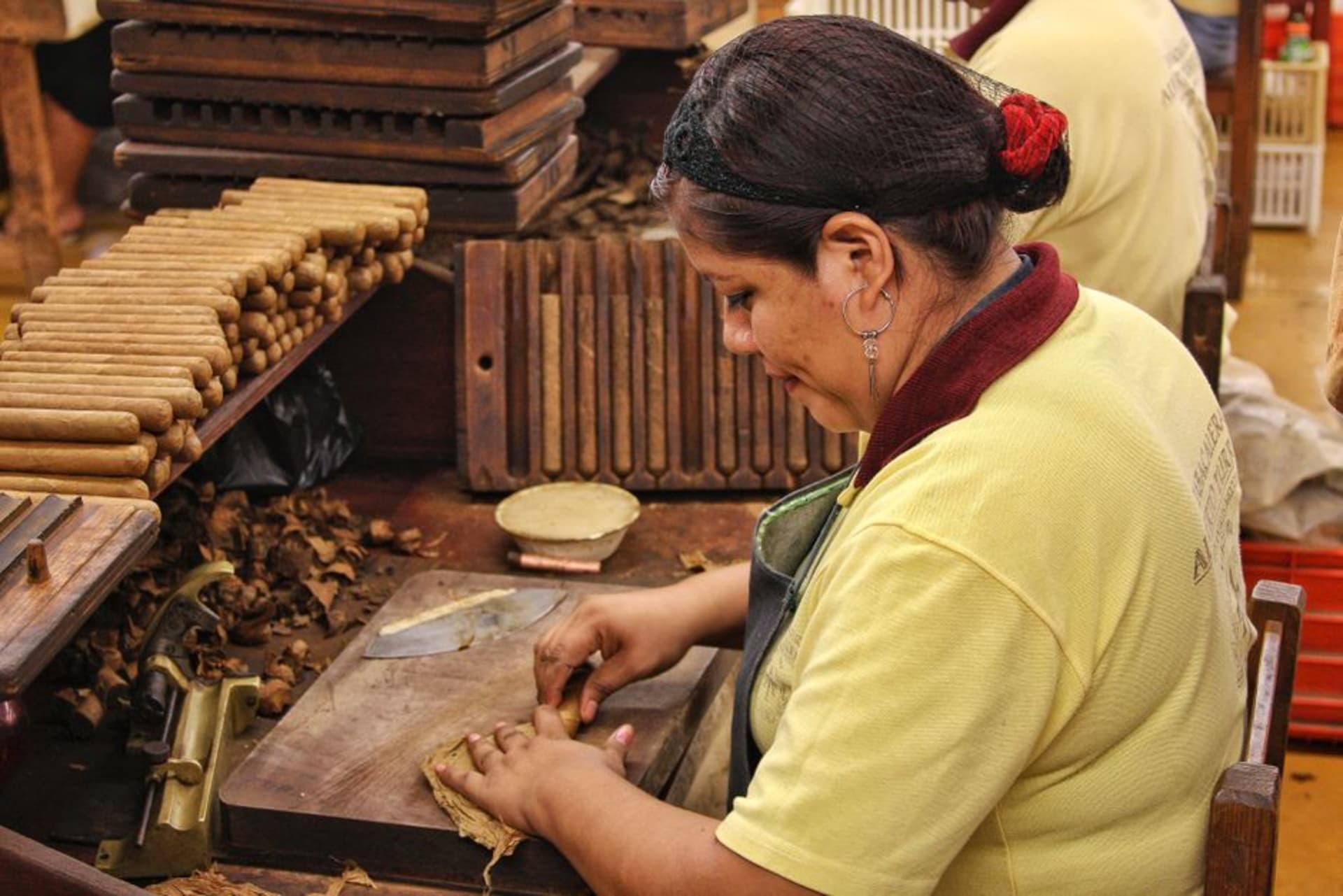
The Torcedores
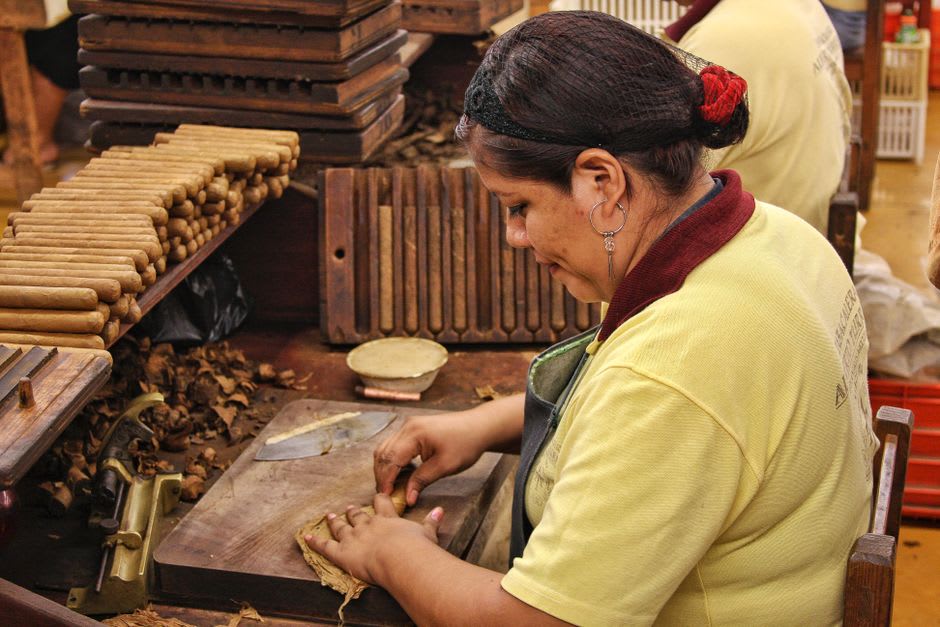
The Santa Clara factory sits a few blocks from the main plaza, and you can arrange a tour most mornings without much advance notice. What you find inside isn’t quite what the word “factory” implies — it’s more like a series of connected rooms, each one containing a torcedor at a wooden table, surrounded by loose tobacco leaf in the particular brown-gold of a good Veracruz harvest. The smell is not unpleasant. It’s earthy and sweet and slightly medicinal, the way very old books smell when you’ve finally had enough of them.
The process is slower than you expect. A skilled torcedor rolls somewhere between eighty and a hundred and twenty cigars in a day, each one uniform by feel rather than by measurement. I watched a woman named Rosario work through a pile of ligero leaf for twenty minutes without once looking down at her hands. Los Tuxtlas has been growing tobacco in volcanic soils since at least the colonial period, and it shows in the ease of it — this is not a recovered tradition, it’s an uninterrupted one.
The Market at Seven in the Morning
The Mercado Municipal on Madero opens early enough that by seven you can already eat breakfast standing at a counter — usually a bowl of caldo de res dense with chayote and hierba santa, or a plate of enfrijoladas with a slick of fresh cream on top. The cooks work fast and the portions are serious. I ate twice before I found a table.
The produce section runs toward the back and has the particular logic of a regional market — whatever is growing within fifty kilometers tends to dominate. In the summer months, that means piloncillo in dark cones, dried chipotle chiles from the valleys, and several varieties of chile ancho I couldn’t identify on sight. There were stalls selling hierba santa fresh in bundled sheaves, which you don’t see that often away from the Gulf coast, and at least three vendors with nothing but regional cheeses. San Andrés Tuxtla is the supply point for a large green region. The market confirms this without ceremony.

What Lies Outside the City
The real argument for staying in San Andrés Tuxtla rather than Catemaco or Santiago Tuxtla is that it puts you within thirty minutes of almost everything in the biosphere. The Cascada de Eyipantla — a wide, loud waterfall that drops through jungle canopy — is a twenty-five-minute colectivo ride down a road lined with mango sellers. Laguna Encantada sits closer still, a crater lake that reverses its water level with the seasons, which sounds improbable until you’re standing at the edge of it trying to explain why the science makes sense.
The tobacco fields are quieter and less visited. If you take the road toward San Lorenzo in the late afternoon when the light goes low and the leaves catch it sideways, that’s worth arranging your schedule around.

Getting There
ADO and AU run first-class buses from Veracruz city (roughly three hours) and from Villahermosa (about three and a half). From Oaxaca you’ll connect through Veracruz or travel via the Gulf coast — expect a long day either way. Colectivos connect San Andrés Tuxtla to Catemaco and Santiago Tuxtla throughout the day and stop running by early evening. The bus terminal sits on the edge of town; taxis are plentiful from there.