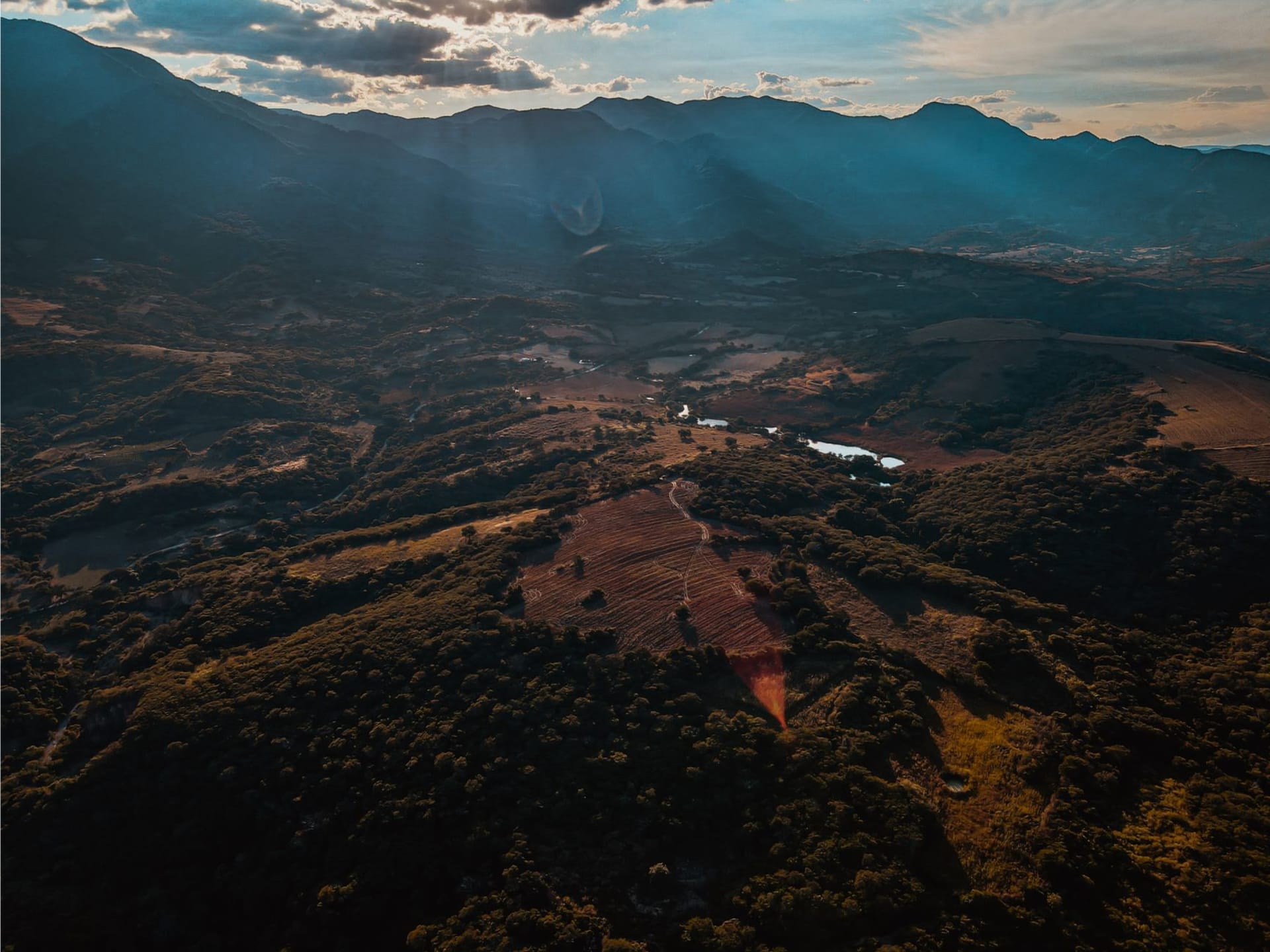
The road from Xalapa to Naolinco climbs for about forty minutes through the coffee zone, through the mist that sits permanently on the upper slopes of the sierra, and arrives somewhere that feels entirely different from the city you left. Xalapa is a university city, pleasantly chaotic, warm in the ways that mid-altitude Veracruz cities tend to be warm. Naolinco is cooler, quieter, and organized around a different economy entirely.
The cobblestones of the main street are polished smooth enough that they are slippery in the rain, which happens often. In some sections the street is too steep to call a street and becomes a stairway of fitted stone, wide enough for a person carrying boxes. I arrived in the morning when the fog was still in the valley below and the town sat above it in a belt of cold clear air.
The Cobblers
I had been told about the boots before I came. The leather tradition in Naolinco is old and specific — the workshops here have been producing handmade shoes and boots for generations, and the range is broader than I expected. Work boots in thick leather, the kind built to last years on rough ground. Huaraches with woven straps. And the dress boots specific to the Veracruz tradition: pointed toe, stacked heel, decorative stitching in patterns that vary by workshop.
The workshops line the streets near the center, most of them with their front room open to the street so you can watch the work while the bootmaker talks to you. One of them — a man of about sixty working at a low bench — waved me in when he saw me looking.
He measured my feet with a wooden tool that looked like it had been made in the 1940s. Pressed my arch, asked about the width, asked what the boots were for. I said general use: walking, travel. He pulled a last from a shelf that he said was close to my size and would need minor adjustment. He showed me two or three leather samples. I picked one.
He told me a price. I heard it wrong the first time because the number seemed too low. I asked again. He confirmed it. I paid the deposit — about a third of the total — and he told me to come back in two hours.
I walked the town for two hours. I had lunch in a small comedor near the plaza: a bowl of caldo de pollo with a tortilla on the side, eaten at a table where three other people were also eating caldo de pollo. The plaza sits at the edge of the gorge, and if you find the right spot you can look out over the valley through a gap in the pine trees.
I came back in two hours. The boots fit.

The Town and the Gorge
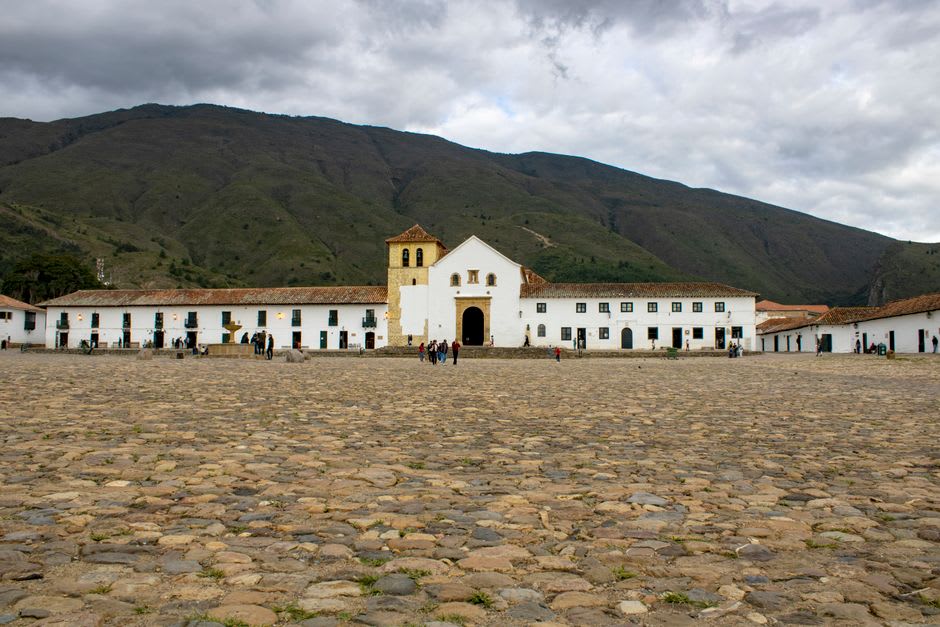
Naolinco received its Pueblo Mágico designation for reasons that are obvious once you walk through it: the cobblestone streets are genuinely beautiful, the colonial church on the main plaza is well-proportioned, and the setting — pine forest above, gorge below — is dramatic in the way that highland Veracruz is often dramatic.
The plaza at the edge of the gorge is the best part of the center. In the morning there are women selling tamales veracruzanos from baskets, a slightly different preparation from the central Mexican versions, the masa firmer and the filling leaner. The church on the north side of the plaza is simple inside in a way that makes the exterior stonework seem even more deliberate.
The gorge below the plaza is not accessible by a maintained trail, but you can see it clearly from the plaza edge — a deep cut in the sierra, the lower slopes in pine and the valley floor in denser tropical growth. It is the kind of view that makes you understand why someone decided to build a town here: the defensibility of the position, the drama of it, the sense of being above everything.
There are forest trails going up into the higher slopes, most of them unmarked. I went up one for half an hour before the fog came down again and I turned around. The fog at that altitude comes quickly and completely and is probably beautiful if you are not trying to navigate by landmarks you can no longer see.
Getting There
Naolinco is about 40 kilometers north of Xalapa on a road that is partially highway and partially mountain road. The drive takes between 45 minutes and an hour depending on traffic through the Xalapa suburbs. There is limited bus service from Xalapa’s CAXA terminal; having a car makes the trip significantly more practical and allows you to stop on the coffee-belt stretch of the road on the way down.
The boot workshops are generally open from around nine in the morning to six in the evening. If you want something made to order rather than from existing stock, the turnaround time varies by workshop and by what you want. The man who made my boots told me two hours and meant two hours. Others may quote a day or more for more complex work. The market in finished goods is also extensive and considerably cheaper than buying the equivalent handmade quality in any city.